Chop and drop mulching
Growing your own mulch inside the food forest
Cut the leaves and leave them where they fall. It looks like doing nothing and it feeds the soil.
Growing your own mulch inside the food forest
Prints on one page. The long version below stays on the screen.
The long version

Every bag of fertilizer is nutrients that were grown somewhere else and trucked in. Chop and drop skips all of that. You grow mineral-rich plants in among the fruit trees, cut them down a few times each summer, and leave the leaves lying where they fall. Worms and soil life do the rest.

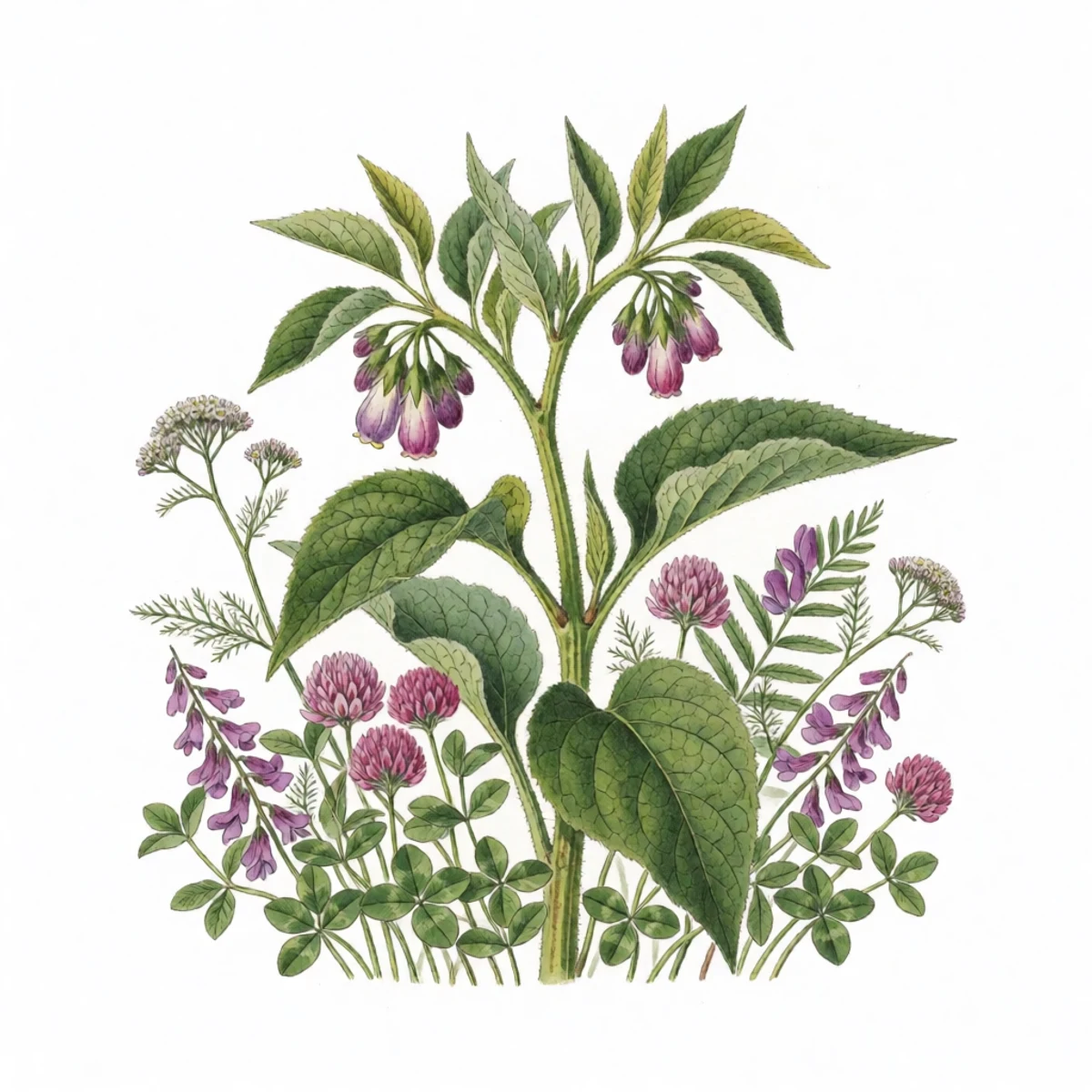
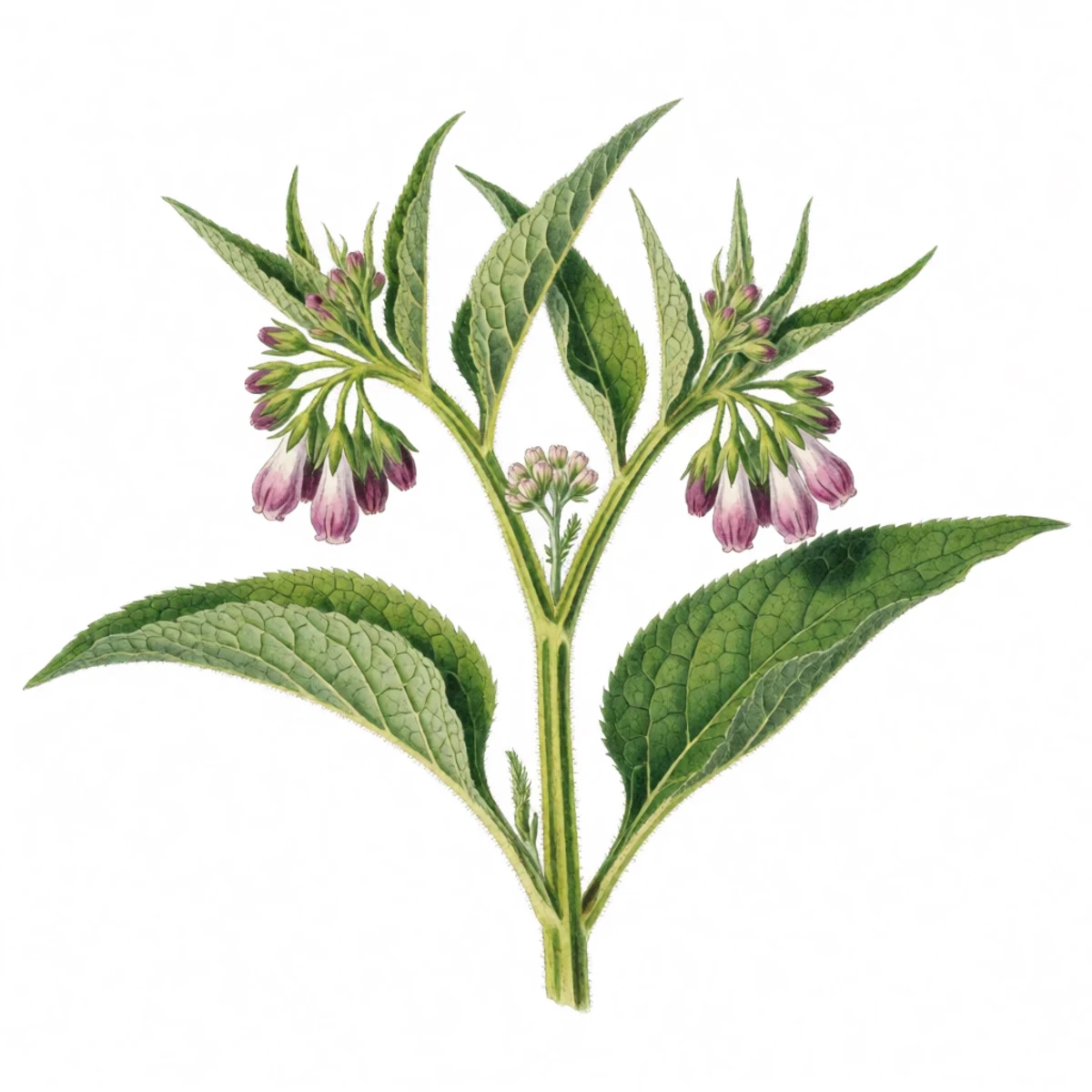
The most useful plants are comfrey, for potassium and sheer volume of leaf, clovers and vetch, which fix nitrogen at ground level, and yarrow and nettle for trace minerals. In larger plantings you can also cut back woody nitrogen fixers like false indigo or Siberian pea shrub and use the stems as mulch. Two or three comfrey plants per fruit tree is the core of it.

Plants hold the most nutrients when they are in full leaf, just before or as they begin to flower. Cut comfrey a couple of inches above the crown, cut the clover with a string trimmer, and cut nettles wearing gloves. Everything regrows for another cut in four to six weeks, which gives us two to four cuts a season here.

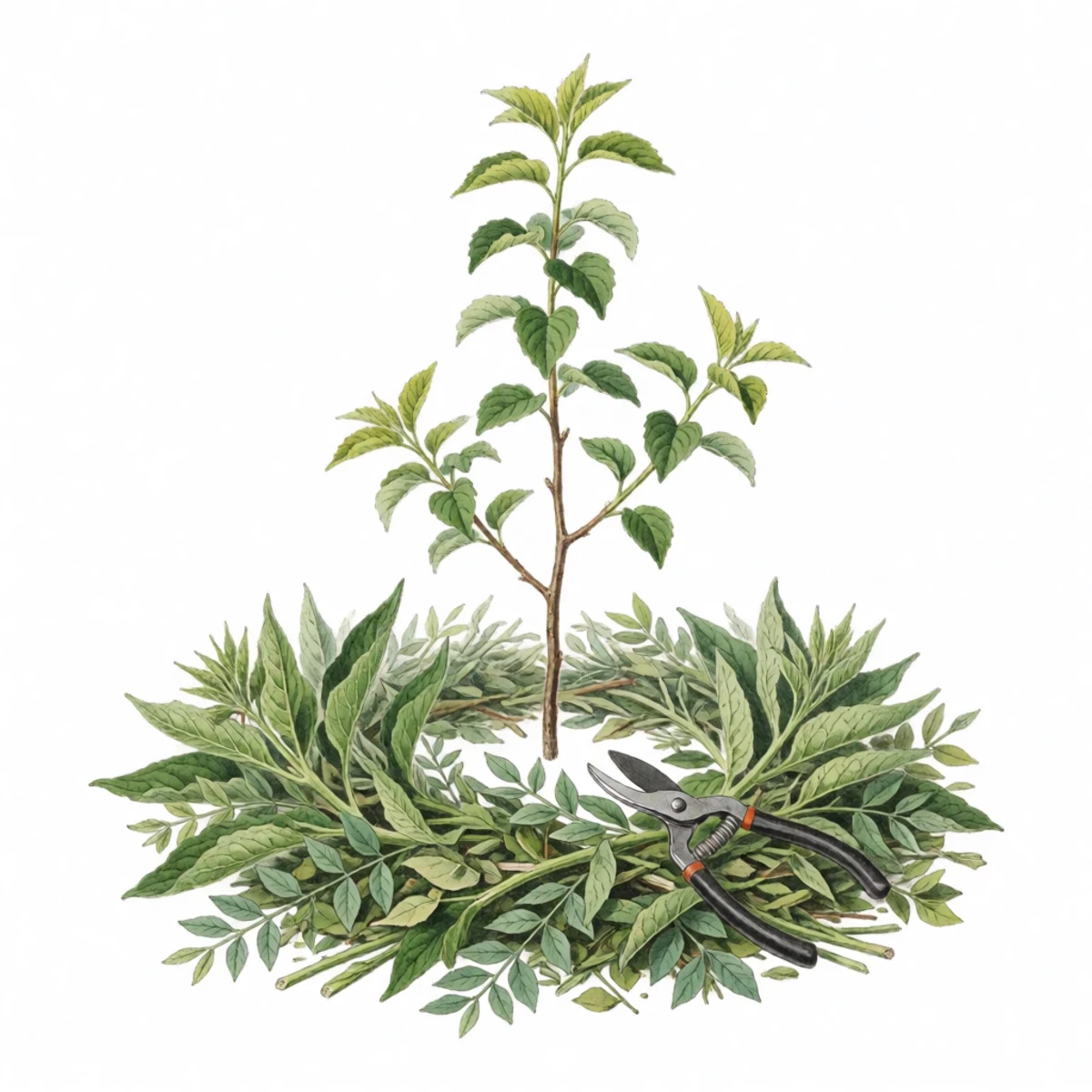
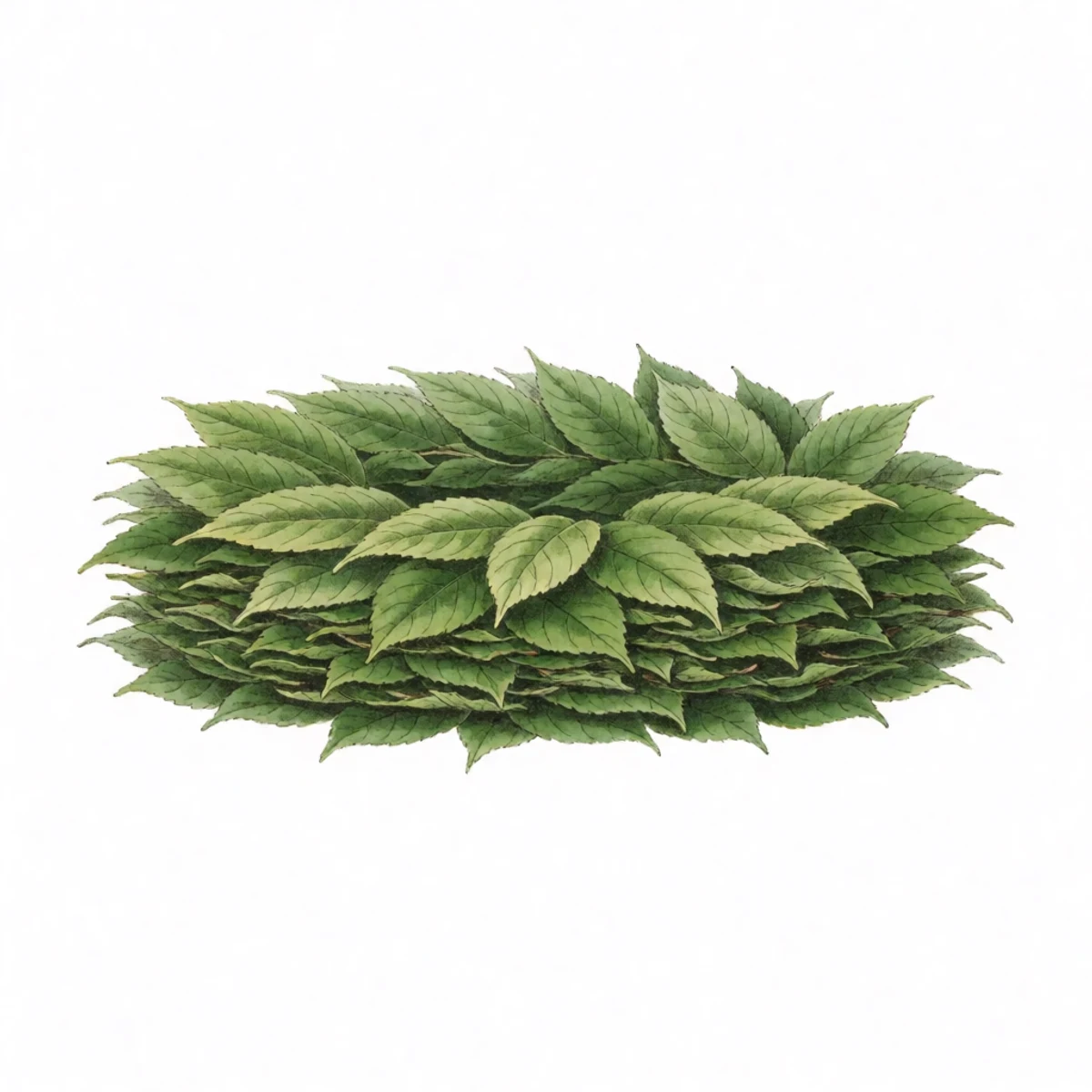
Pile the cut leaves in a ring under the outer edge of the canopy, where the feeding roots actually are, a few inches thick, on top of the existing wood chips. Let the pile wilt for a day first so comfrey stems cannot root where they land. Then leave it alone. That is the whole job.

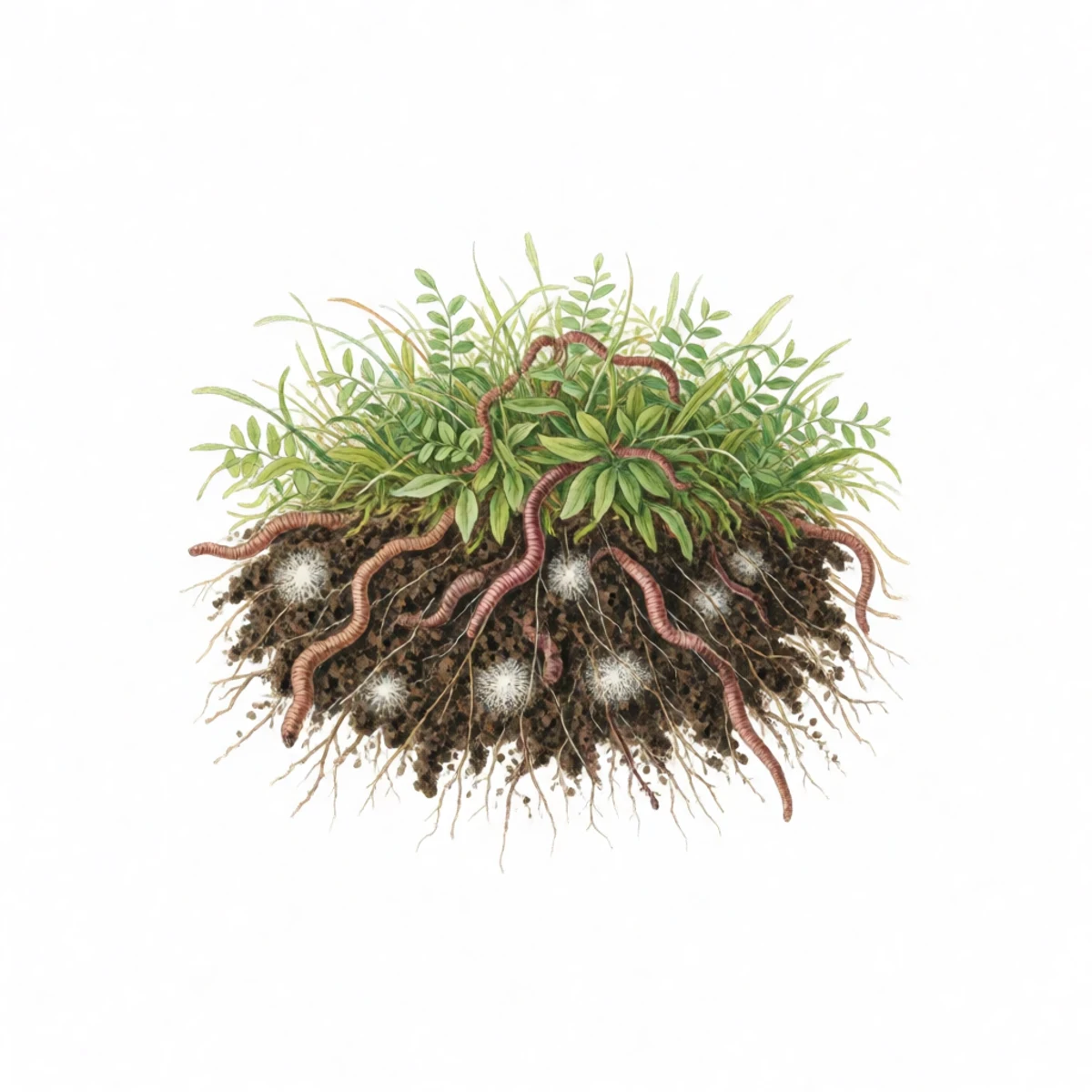
Within a few weeks the green layer disappears into worm castings and fungal threads, and each round builds the soil a little deeper. Trees fed this way handle dry spells that stress trees growing in mown grass. The fertilizer program becomes a few minutes with a knife.
As an Amazon Associate, Story Thyme Farms earns from qualifying purchases, at no cost to you. It never changes what we recommend.
Zones, cold-hardy cultivars, spacing, feeding, and where to buy one already rooted.
Open the comfrey guide →