Field Guide · Propagation · 6 min read

How to Grow Comfrey from Root Cuttings

Two-inch pieces of root, laid flat and buried, will each grow into a new plant. That is all there is to it.

Story Thyme Farms · Bench cardSpring or fall

How to grow comfrey from root cuttings

Symphytum × uplandicum, Bocking 14. Root segments

DifficultyEasy
Cutting2–4" of root
Sprouts in3–6 weeks
WarningPermanent resident
1Digging up a rootLift a wedge of root from an established plant
2Cutting it upChop the root into 2 to 4 inch pieces
3Planting the piecesLay them flat, two to four inches deep
4What to expectGreen leaves in three to six weeks
Materials needed · Digging spade · Garden knife · Nursery pots
Written on the farm · Missouristorythymefarms.com/guides/how-to-grow-comfrey-from-root-cuttings
Prints on one page. The long version below stays on the screen.

How to harvest and use comfrey How to harvest and use comfrey

The long version

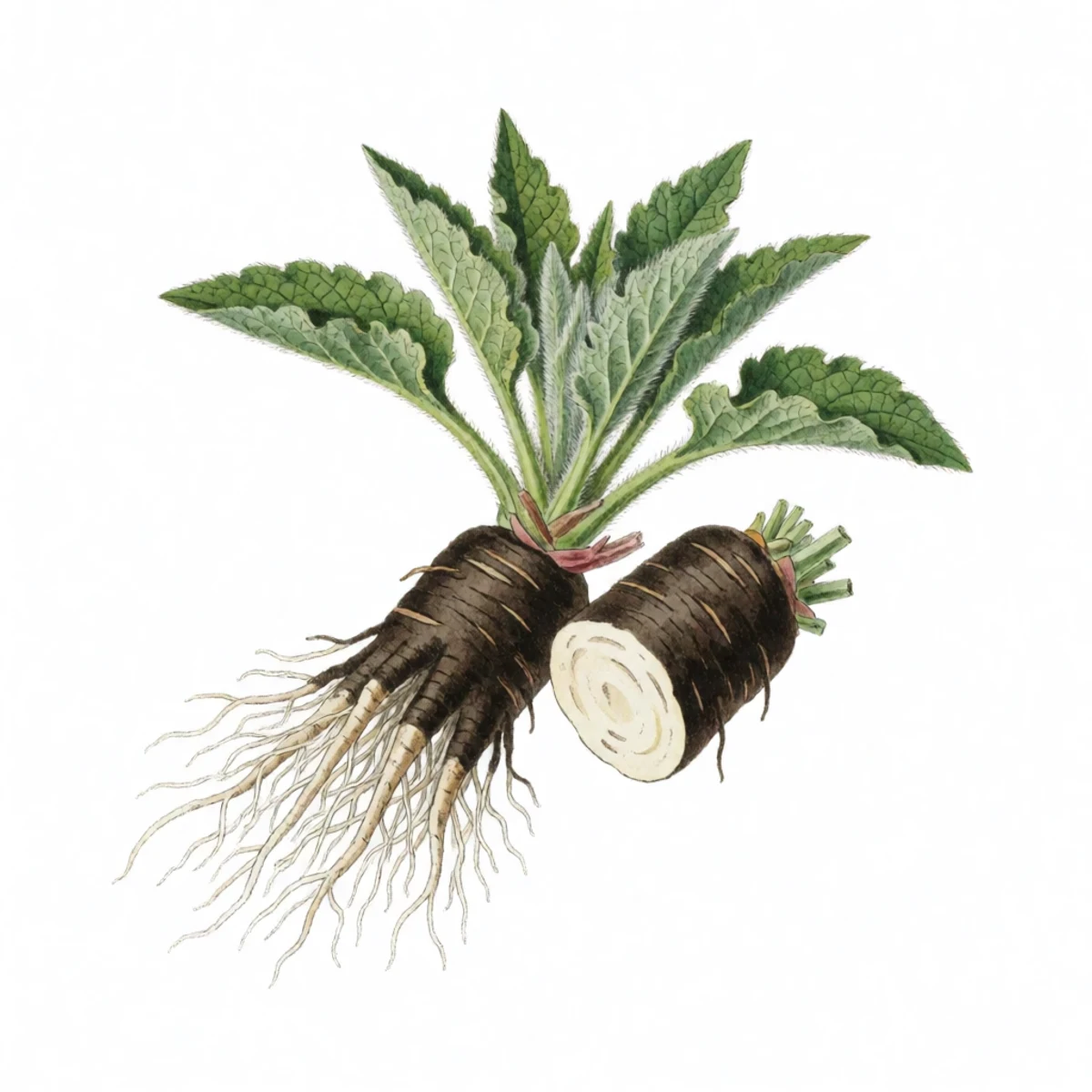
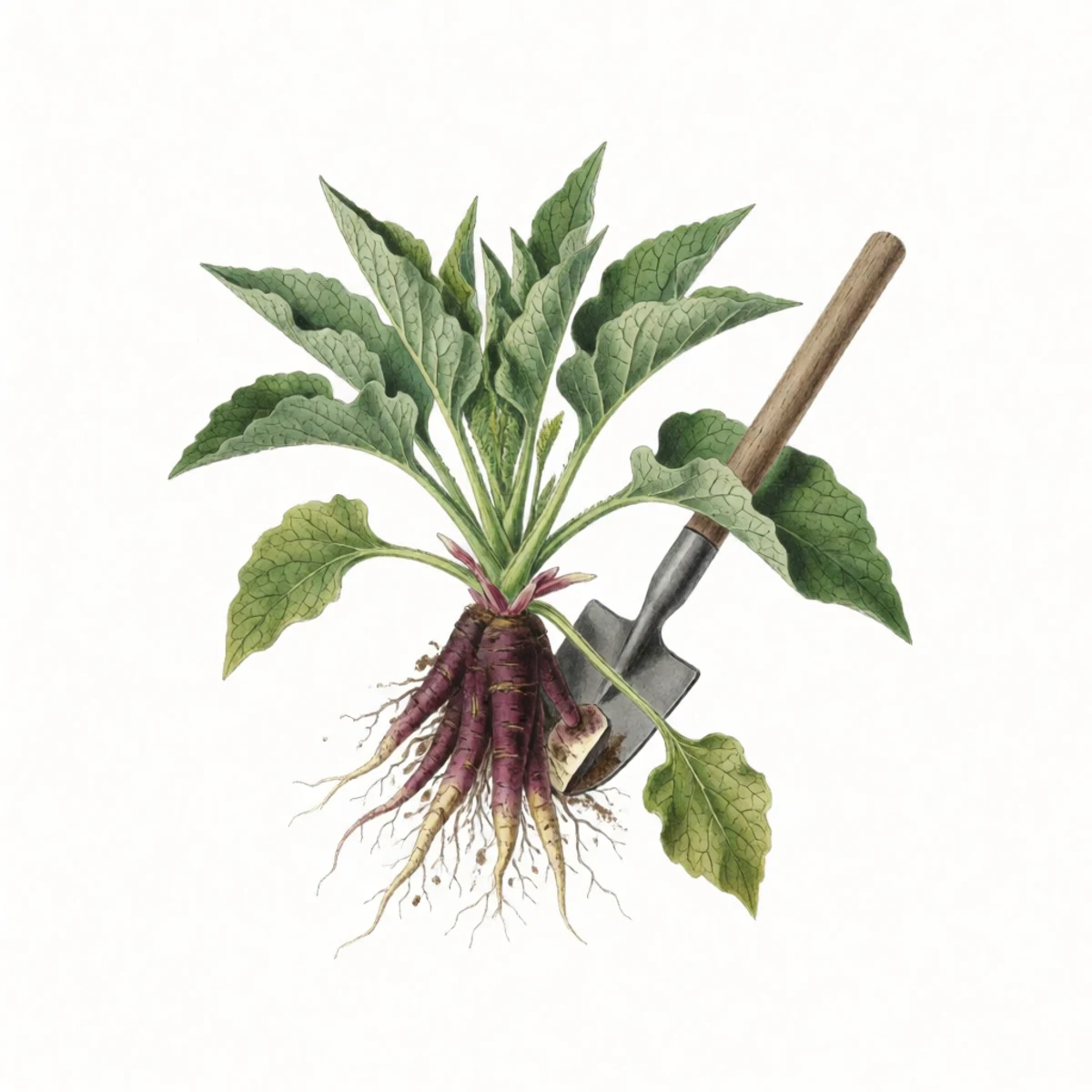
Watercolor plate of comfrey root segments, one sprouting leaves
Symphytum × uplandicum, Bocking 14 · field plate

Comfrey grows back from any scrap of root left in the ground, which is useful or a nuisance depending on where you planted it. We grow sterile Bocking 14, which spreads only where you put a piece of root. Here is how one plant becomes fifty.

  1. Step 1 · Digging up a root

    Lift a wedge of root from an established plant

    Watercolour plate of a spade levering a wedge of thick black-skinned comfrey root out of the soil beside an established leafy crown

    In spring or fall, drive a spade down beside an established plant and lever out a slice of the thick, black-skinned root. It will not harm the parent plant. One good slice gives you a dozen cuttings.

  2. Step 2 · Cutting it up

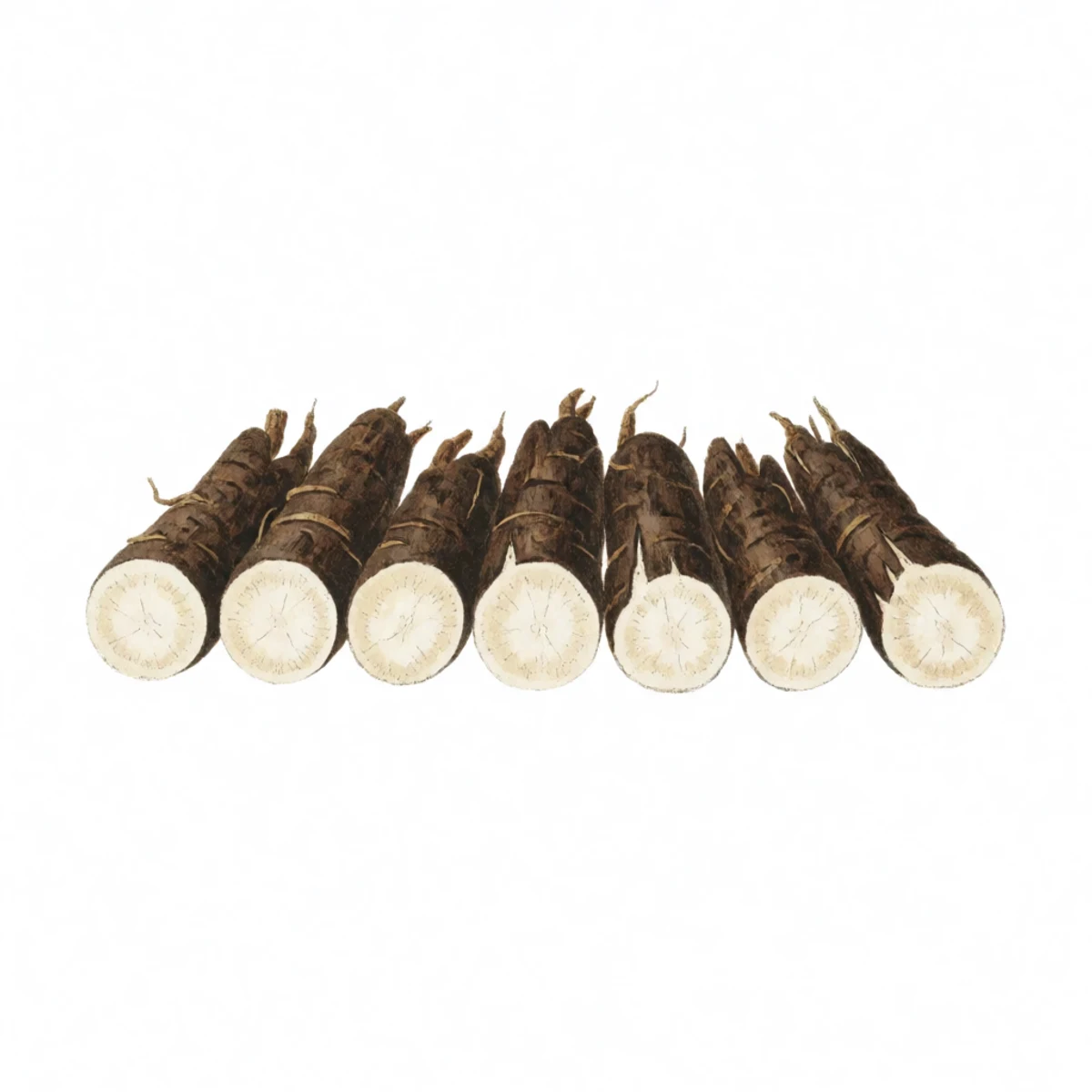
    Chop the root into 2 to 4 inch pieces

    Watercolour plate of thick black comfrey roots chopped into short two to four inch segments laid in a row on a bench, pale cut faces showing

    Any piece of pencil-thick root two inches or longer will grow. You do not need to keep track of which end is up. Keep the pieces damp in a bag while you plant.

  3. Step 3 · Planting the pieces

    Lay them flat, two to four inches deep

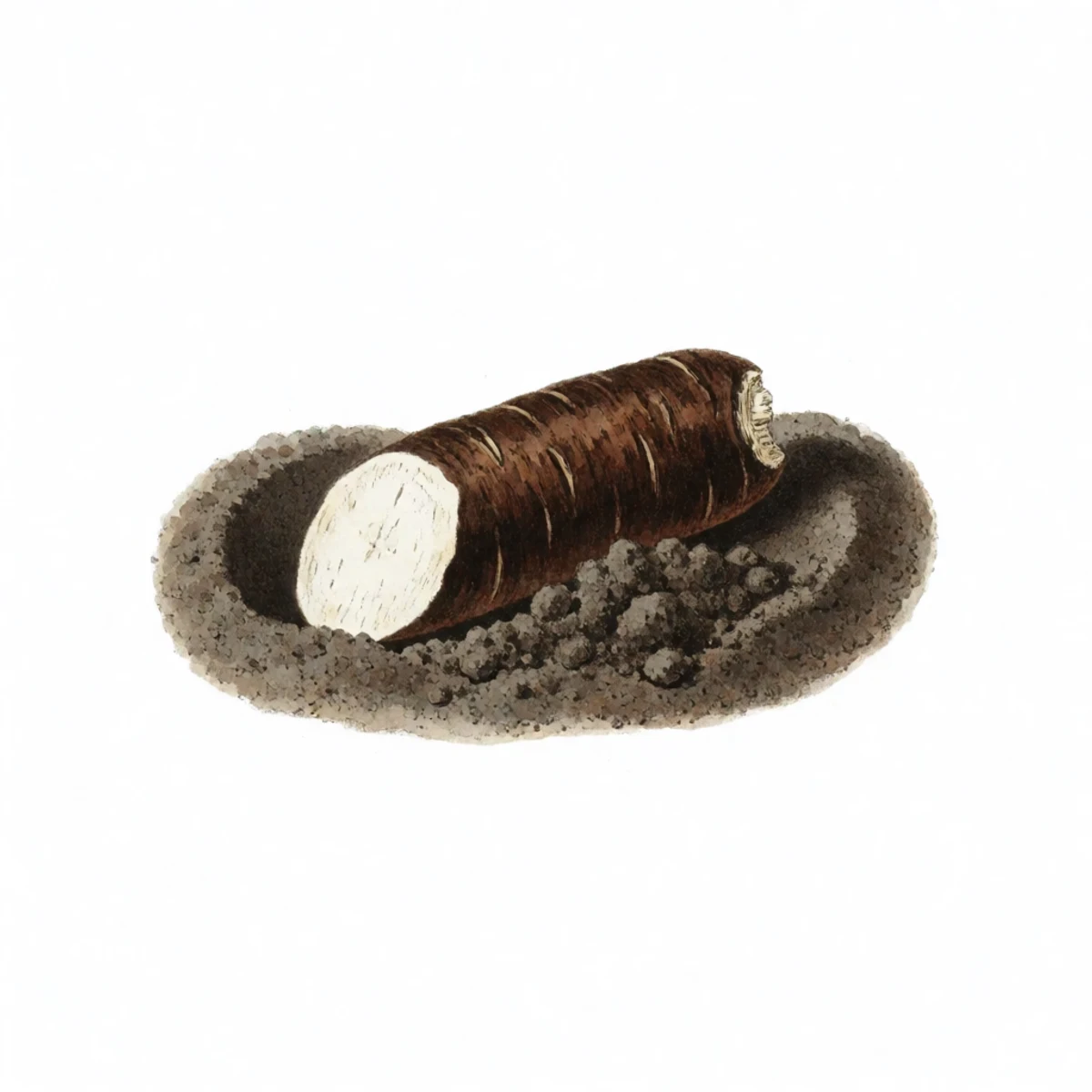
    Watercolour plate of a thick dark brown comfrey root segment with a pale white cut face, laid horizontally in a shallow scooped hollow of dark garden soil, loose crumbs of soil heaped beside it

    Lay each piece horizontally in its hole and cover it with two to four inches of soil, deeper for bigger pieces. Planted only an inch down, they dry out before they root. Water once, thoroughly. Space the plants three feet apart, because they get large.

  4. Step 4 · What to expect

    Green leaves in three to six weeks

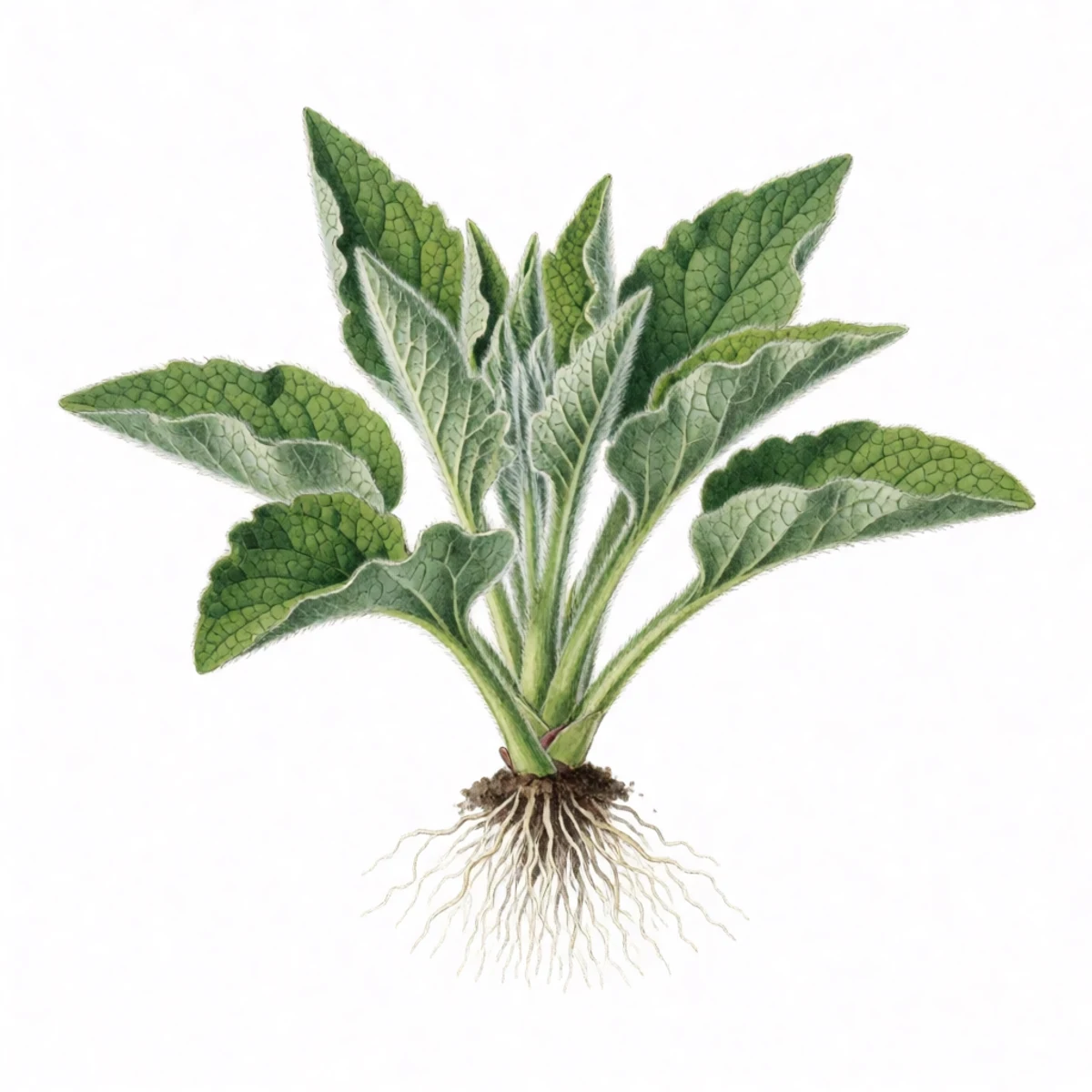
    Watercolour plate of a young comfrey rosette of fuzzy grey-green leaves newly sprouted from a buried root cutting, fine white roots below the soil line

    In warm soil they sprout in about three weeks, in cool soil closer to six. In the first year, let the plant build its roots and take one light cutting at most. From year two on you can cut the whole plant to the ground several times a season for mulch and for the chickens.

Materials needed

As an Amazon Associate, Story Thyme Farms earns from qualifying purchases, at no cost to you. It never changes what we recommend.

Questions we actually get

Why does everyone insist on Bocking 14?
Common comfrey seeds itself everywhere and cannot be un-planted. Bocking 14 is a sterile cultivar, it spreads only by root, only where you put it. Same leaves, same uses, none of the regret.
Where should comfrey go in a food forest?
Ringed under fruit trees where its deep taproot mines minerals and its cut leaves feed the mulch layer, and along chicken-run fences where the flock harvests anything that leans through.
Can I move an established comfrey plant?
You can move the top, but every root fragment left behind grows a new plant. Treat planting comfrey as a permanent decision, that is the honest answer.
From the plant library

Comfrey — the full profile

Zones, cold-hardy cultivars, spacing, feeding, and where to buy one already rooted.

Open the comfrey guide →