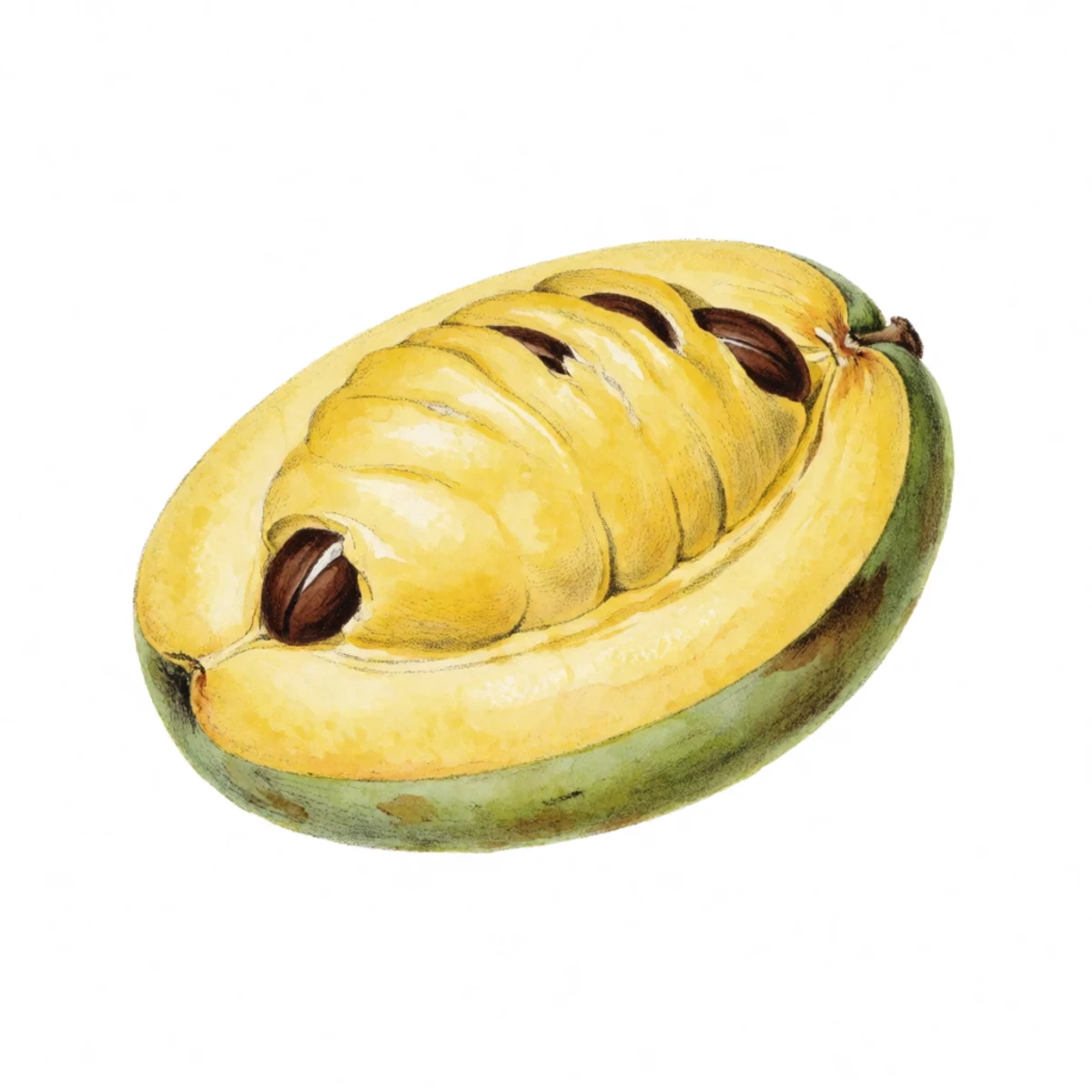
How to harvest pawpaws
Asimina triloba. How to tell when they are ripe
The largest fruit native to North America ripens over about two weeks and will not wait. Here is how to catch it.
Asimina triloba. How to tell when they are ripe
Prints on one page. The long version below stays on the screen.
How to grow pawpaws from seed How to stratify pawpaw seeds →
The long version

There is a reason you never see pawpaws in a grocery store: a ripe one keeps about as long as a cut banana. The whole harvest is a two or three week window in early fall, and the fruit tells you when it is ready if you know the three signs.

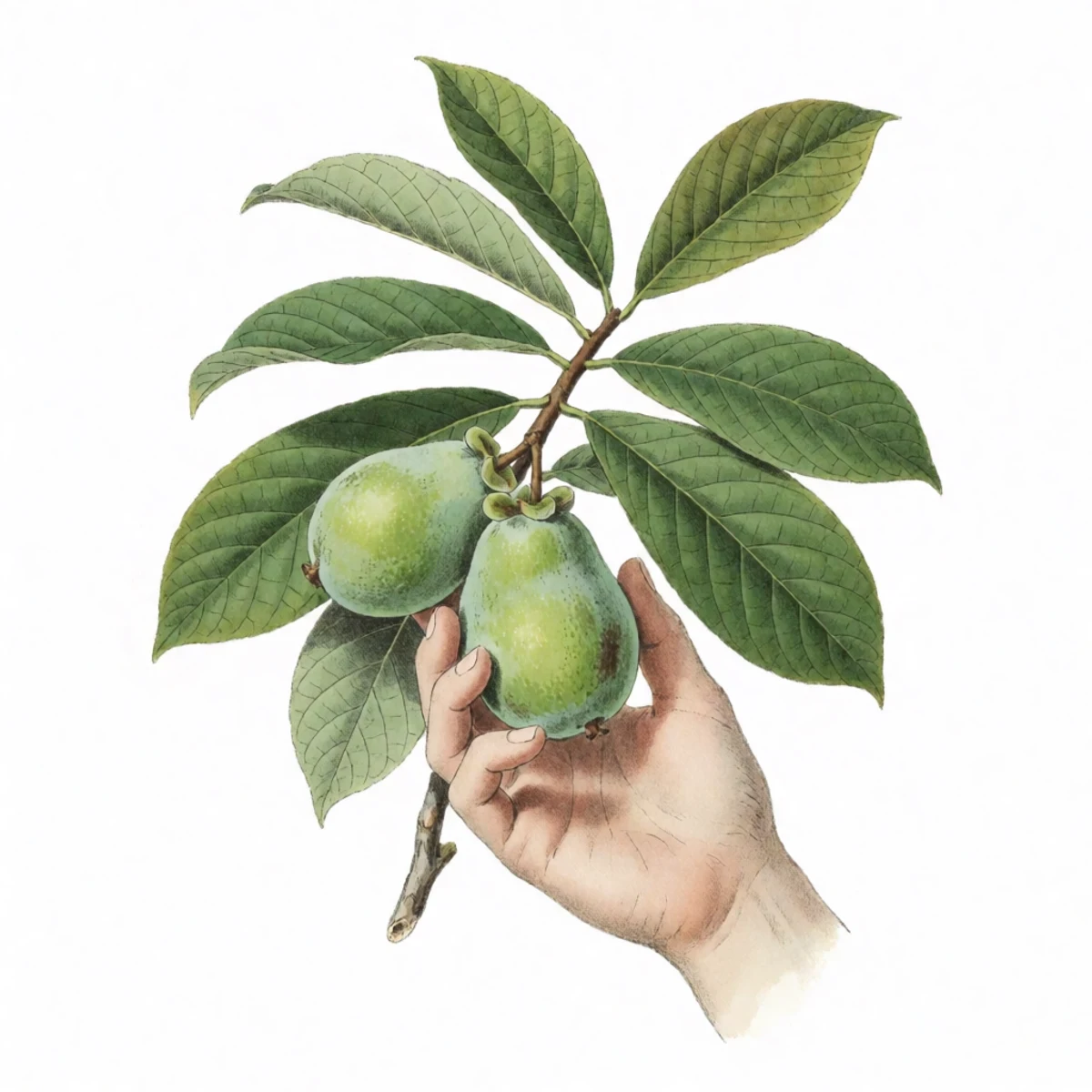
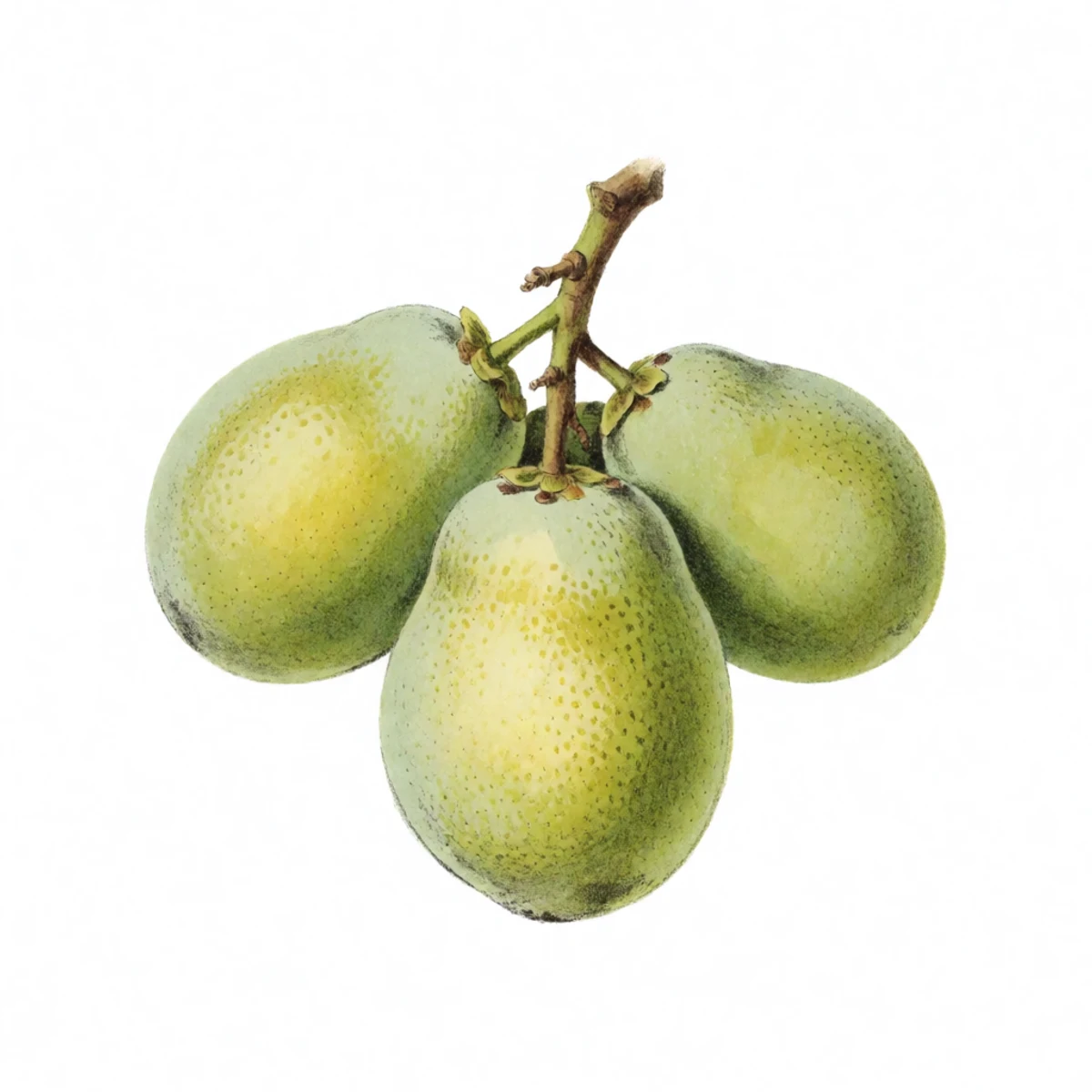
Hold the fruit and press gently with your thumb. A ripe one gives under light pressure, the way an avocado or a ripe peach does. If it is rock hard, it needs several more days. The skin color barely changes as it ripens, so go by feel rather than by looks. A green pawpaw can be completely ripe.

A ripe pawpaw gives off a strong, sweet, tropical smell somewhere between banana and mango, noticeable from a step away. If a patch of trees suddenly smells like a fruit stand, the fruit is ready.

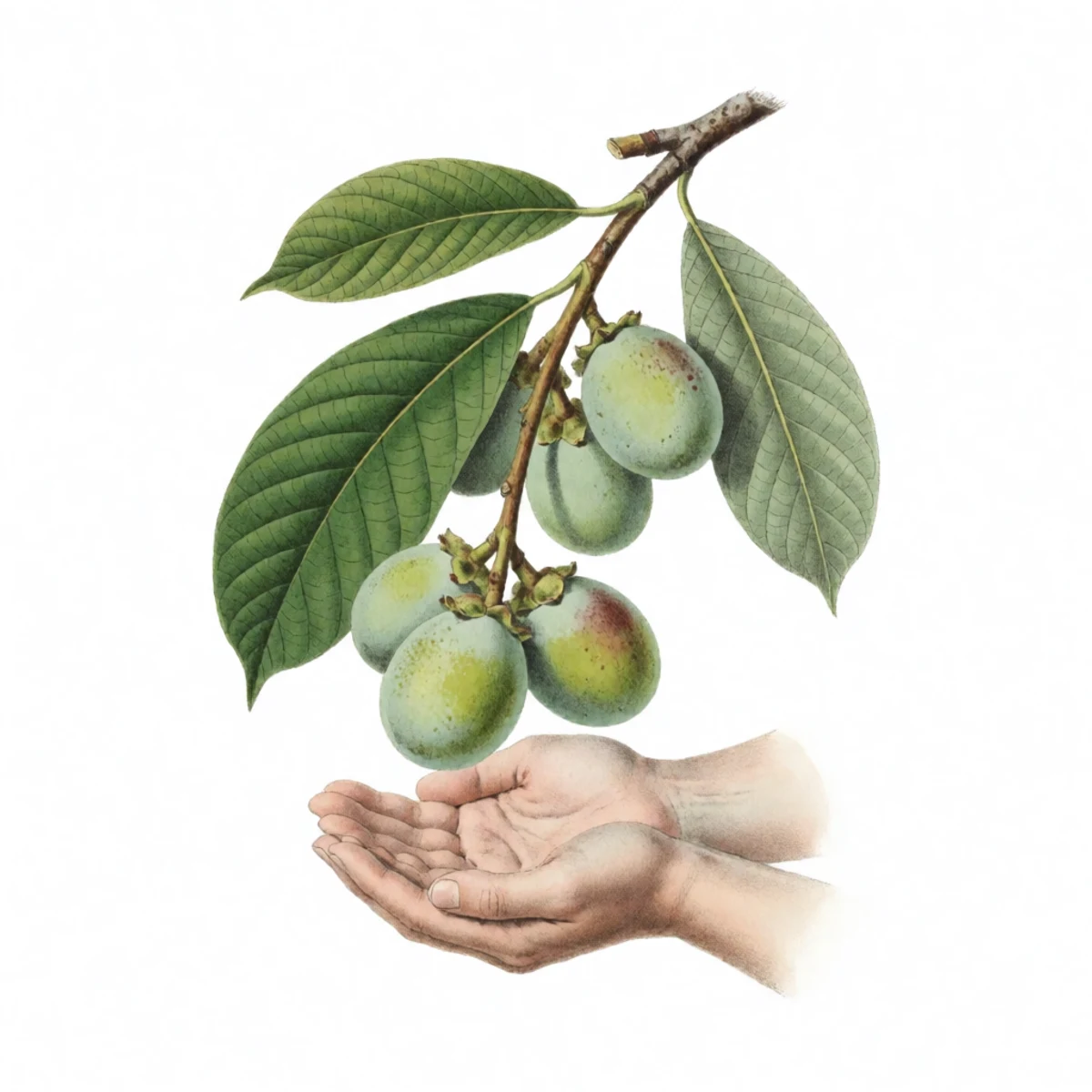
Give the trunk or a limb a gentle shake. Fully ripe fruit drops into your hands or onto the ground, and unripe fruit stays on. In a wild patch, fruit on the ground with soft flesh and brown speckles is the best of it, as long as you get there before the raccoons do.

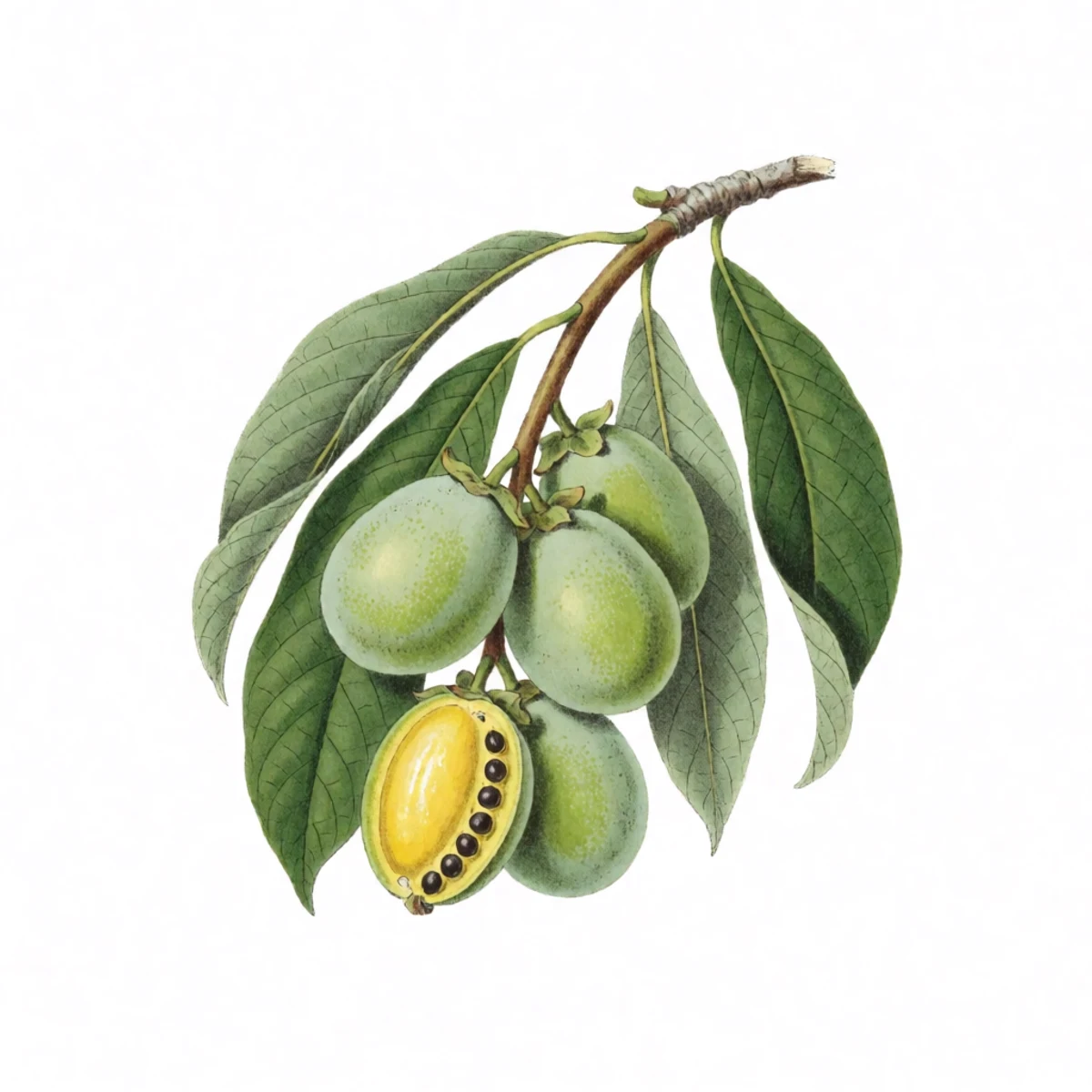
Pawpaws last one to three days on the counter and about a week in the refrigerator. To freeze them, cut each fruit in half, spoon the soft flesh off the large seeds, and pack the pulp flat in bags. Frozen pulp keeps its flavor for months and is good for ice cream and quick bread. If you want to grow trees, save the seeds and keep them damp.
As an Amazon Associate, Story Thyme Farms earns from qualifying purchases, at no cost to you. It never changes what we recommend.
Zones, cold-hardy cultivars, spacing, feeding, and where to buy one already rooted.
Open the pawpaw guide →