How to stratify pawpaw seeds
Asimina triloba. Cold moist stratification
Pawpaw seeds need 90 to 120 days of cold to sprout, and they die if they dry out. Get those two things right and the rest is easy.
Asimina triloba. Cold moist stratification
Prints on one page. The long version below stays on the screen.
How to tell when a pawpaw is ripe How to harvest pawpaws →
The long version

Any pawpaw seed you spit onto a plate in September can become a tree, but only if it never dries out and gets a proper cold period first. Two mistakes account for most failures: a seed left dry for even a few days is usually dead, and a frozen one is too. A refrigerator handles the rest.

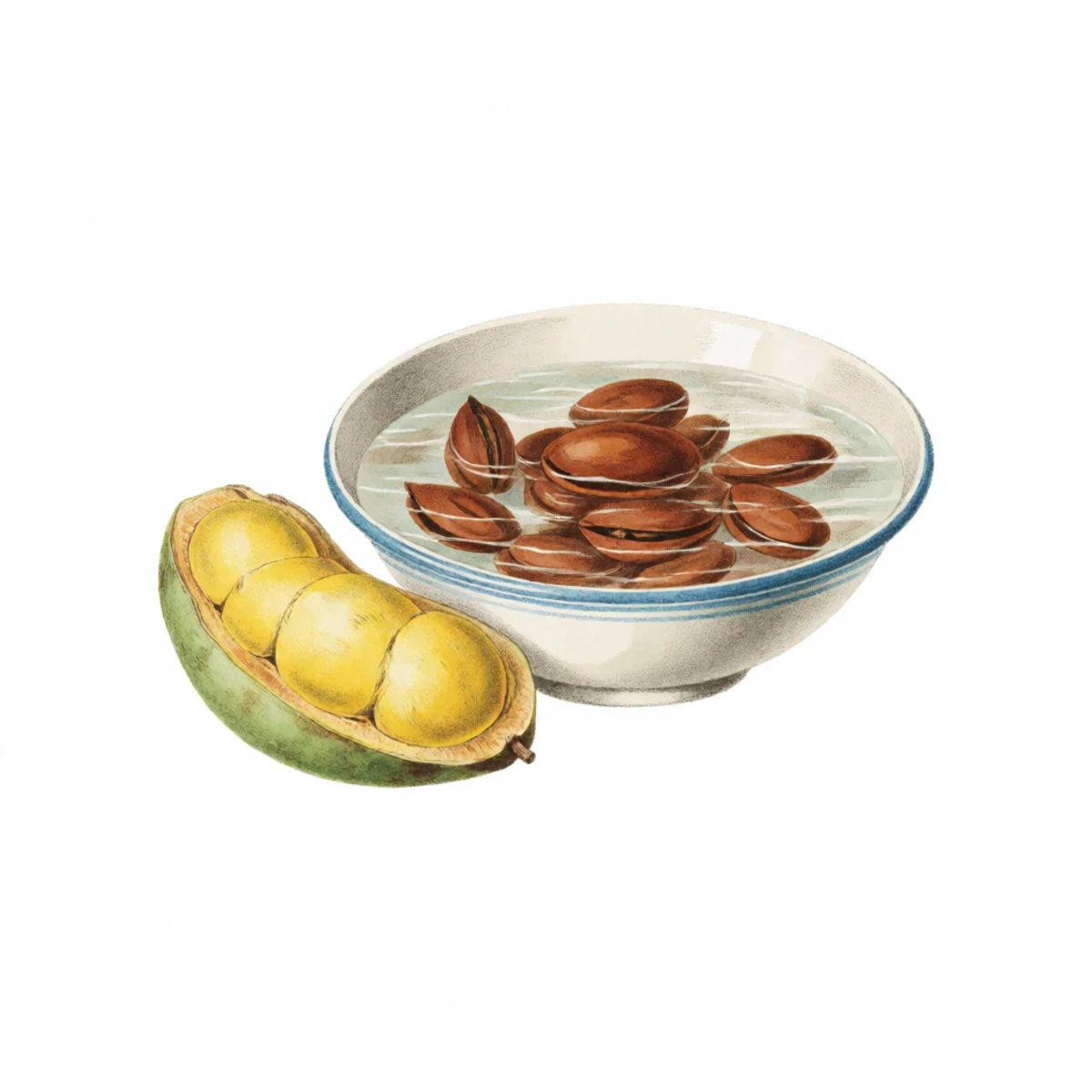
Work the large brown seeds free of the pulp in a bowl of water and rub them clean. From this point on they must never dry out. Even three days on a dry counter can drop germination from around ninety percent to under twenty.

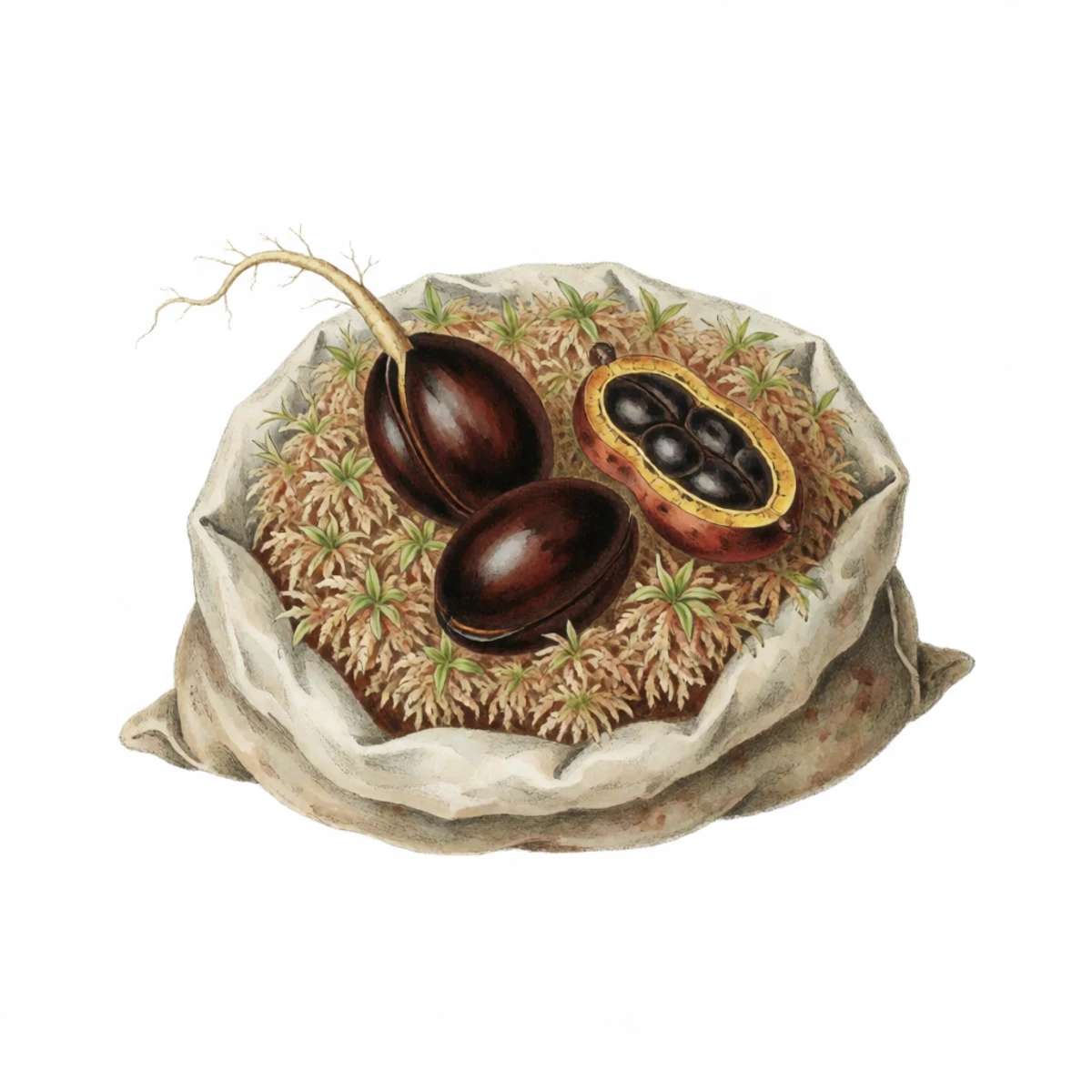
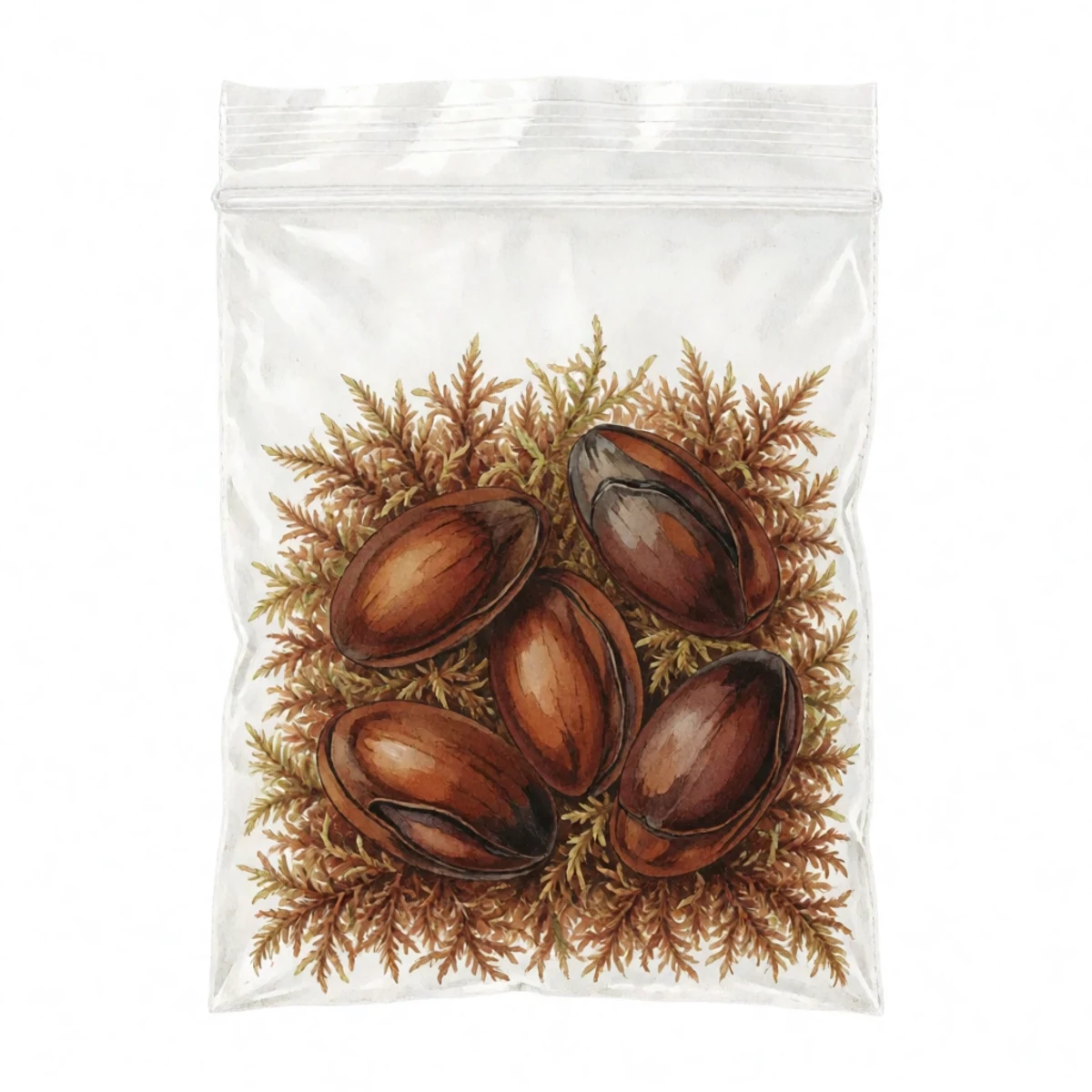
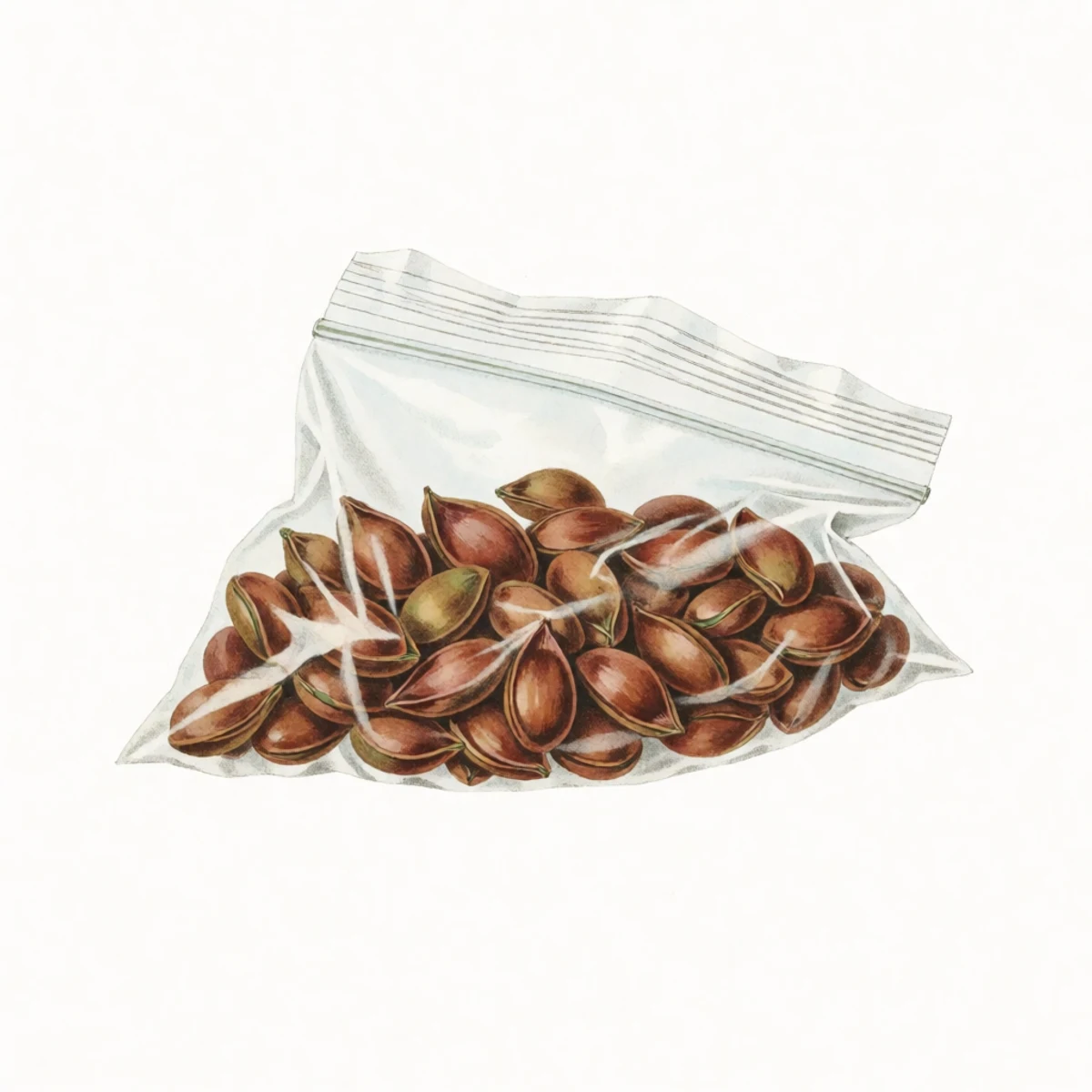
Mix the seeds into a handful of moist sphagnum moss or barely damp peat that you have wrung out, seal them in a bag with a little air in it, and write the date on it. The moss keeps the moisture even and helps hold down mold. Check the bag once a month, and if you see fuzz, rinse the seeds and replace the moss.

Put the bag in the refrigerator at 32 to 40 °F, where the crisper drawer works well, for at least 90 days. We give ours the full 120. Do not use the freezer, which kills them. Mark the finish date on a calendar so spring does not catch you off guard.

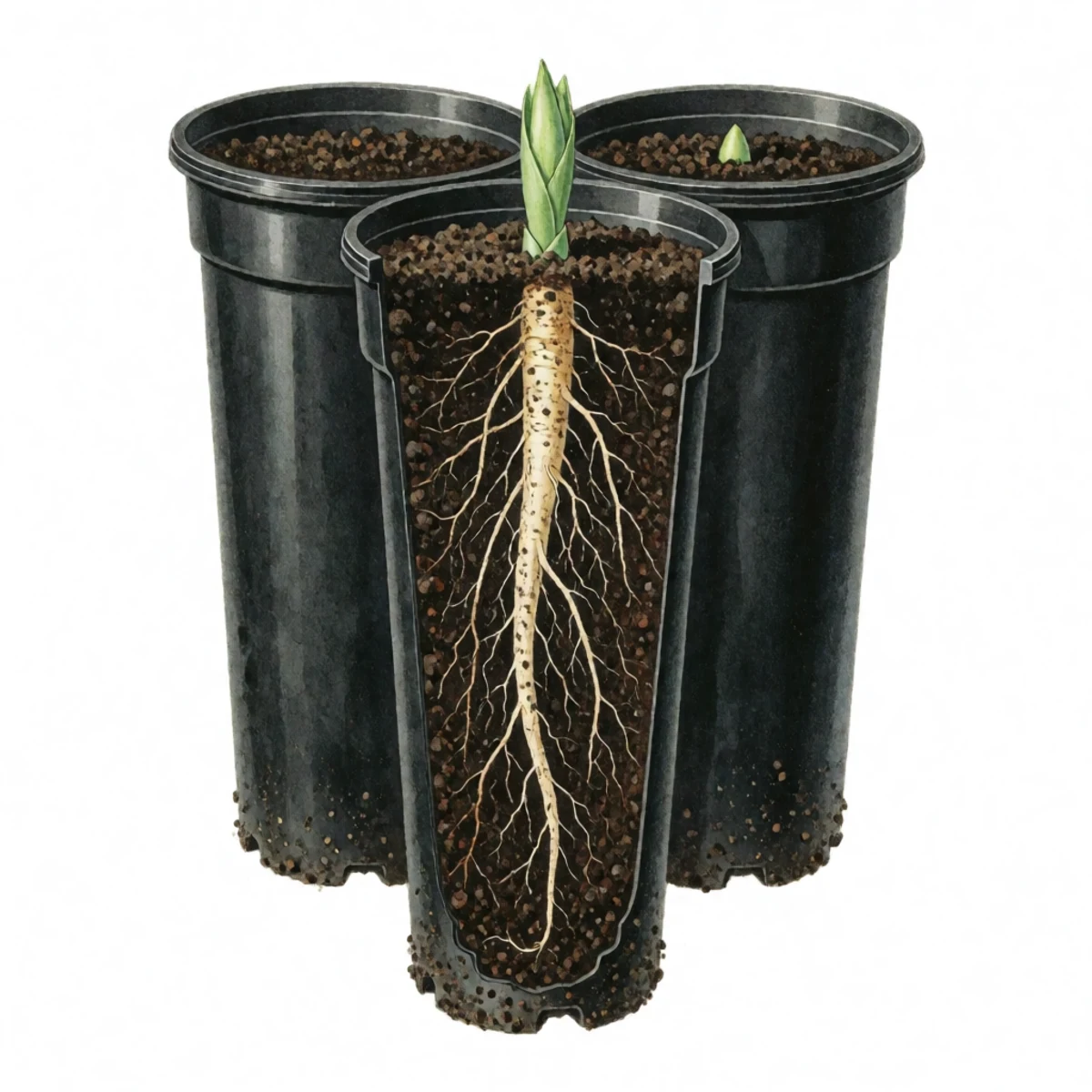
Sow the seeds an inch deep in tall tree pots, because the taproot grows down many inches before any shoot appears. At 75 to 85 °F the root emerges in two to four weeks, and the shoot can take up to two months more. A pot that looks empty usually is not, so do not dump it out.

Wild pawpaws sprout on the forest floor, and seedlings sunburn in full light. Grow them under 50 percent shade cloth, or on a bright porch out of direct afternoon sun, for their first two years, then plant them out. Seedlings fruit in five to eight years, and you need two trees for pollination.
As an Amazon Associate, Story Thyme Farms earns from qualifying purchases, at no cost to you. It never changes what we recommend.
Zones, cold-hardy cultivars, spacing, feeding, and where to buy one already rooted.
Open the pawpaw guide →