How to plant black walnuts
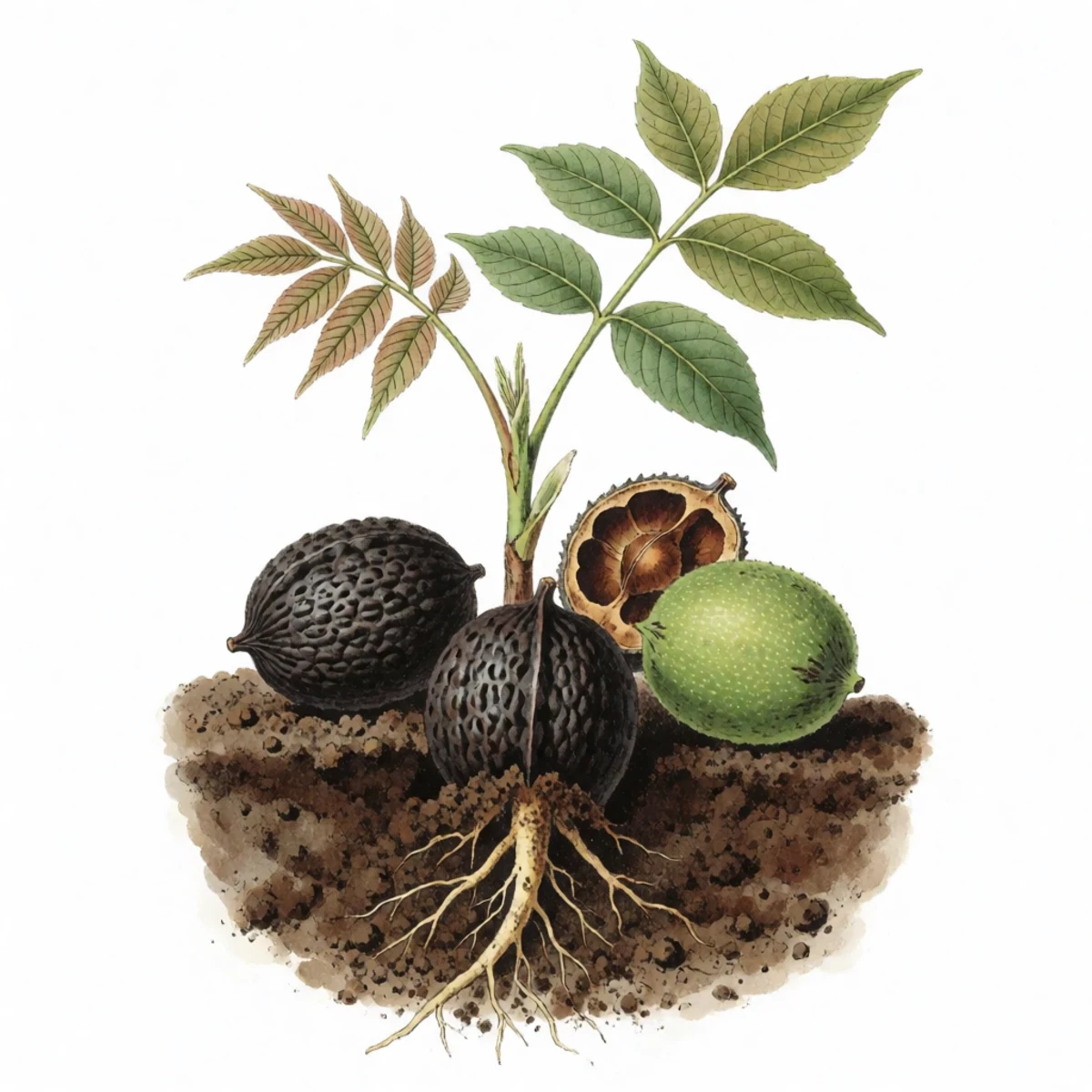
Juglans nigra. From fresh nut to seedling
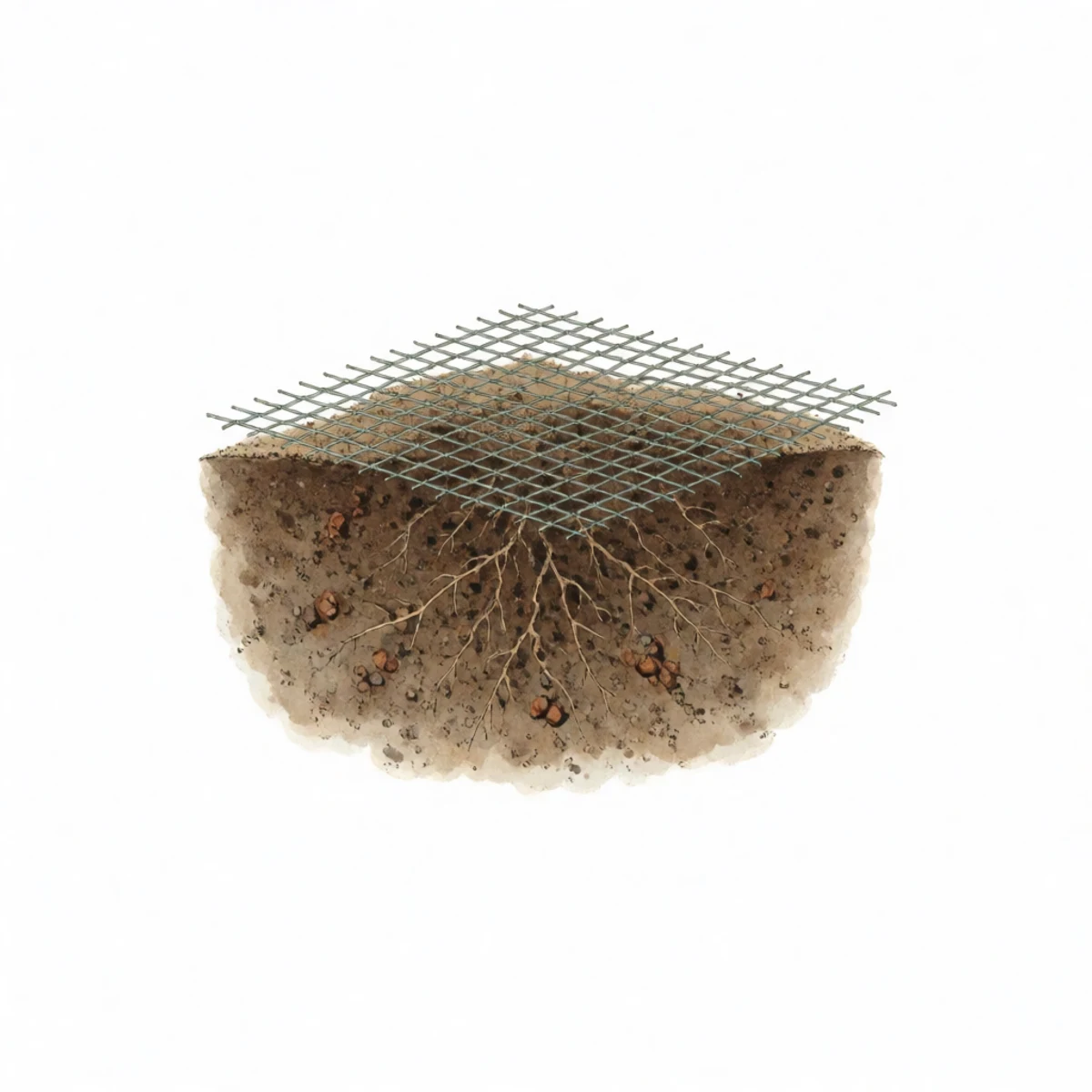
Squirrels plant walnut forests every fall, and their method works: use a fresh nut, keep it moist, plant it two to three inches deep, and cover it with wire so they cannot dig it up.
Juglans nigra. From fresh nut to seedling
Prints on one page. The long version below stays on the screen.
How to harvest black walnuts for eating How to harvest black walnuts →
The long version

Planting a black walnut starts the same way as harvesting one, until the last step, where the two go in opposite directions. A nut you plan to eat is cured dry for weeks. A nut you plan to plant must never dry out at all. Keep it moist from hulling until it goes in the ground, give it a real winter, and protect the spot from squirrels.

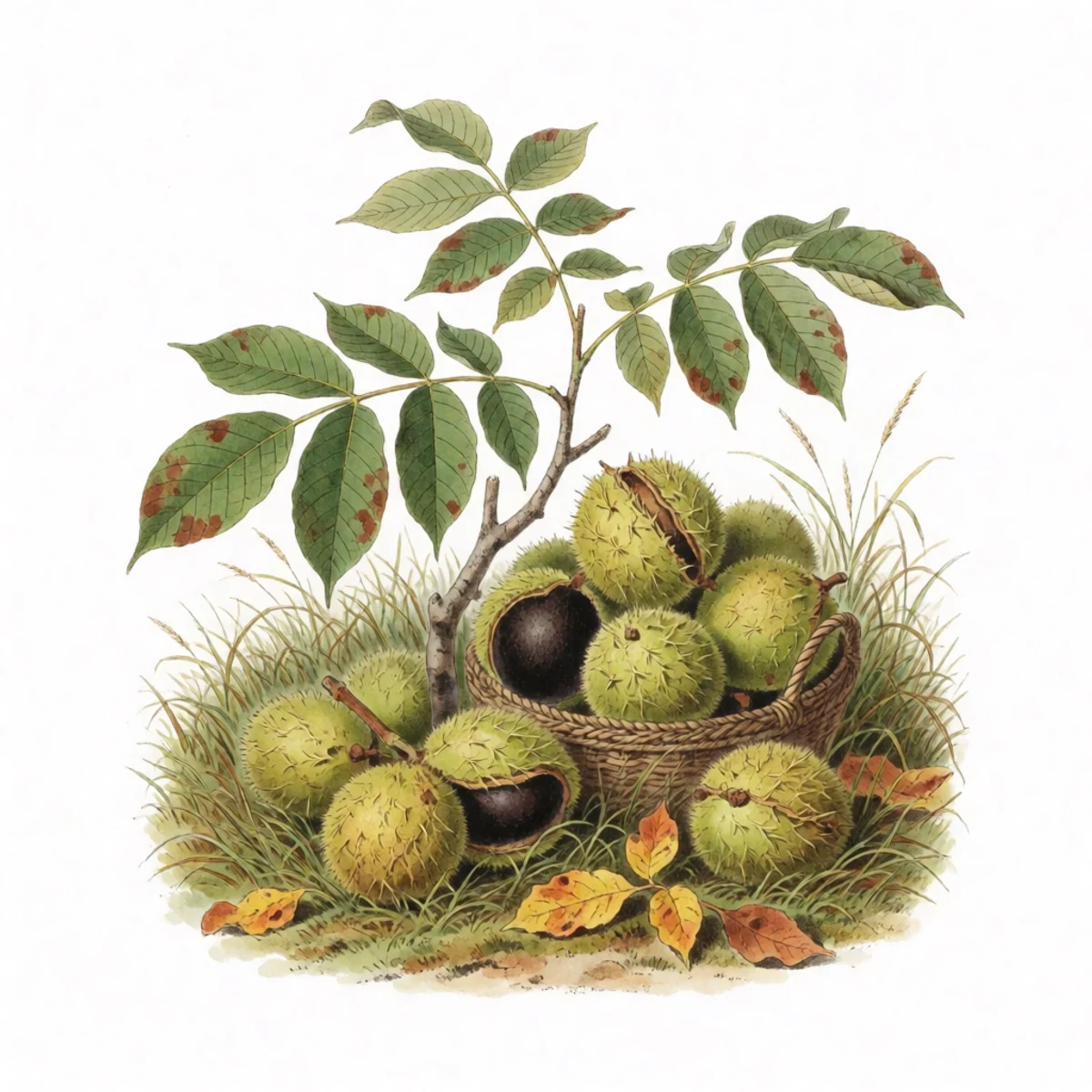
In September and October, pick up the largest, heaviest nuts under the healthiest tree you can find, with hulls that are yellow-green and dent under your thumb. Walnuts are pollinated by wind, so no seedling will be identical to its parent, but a strong, productive parent tree improves your odds. A dozen nuts is plenty for one or two trees, since squirrels and bad nuts will take a share.

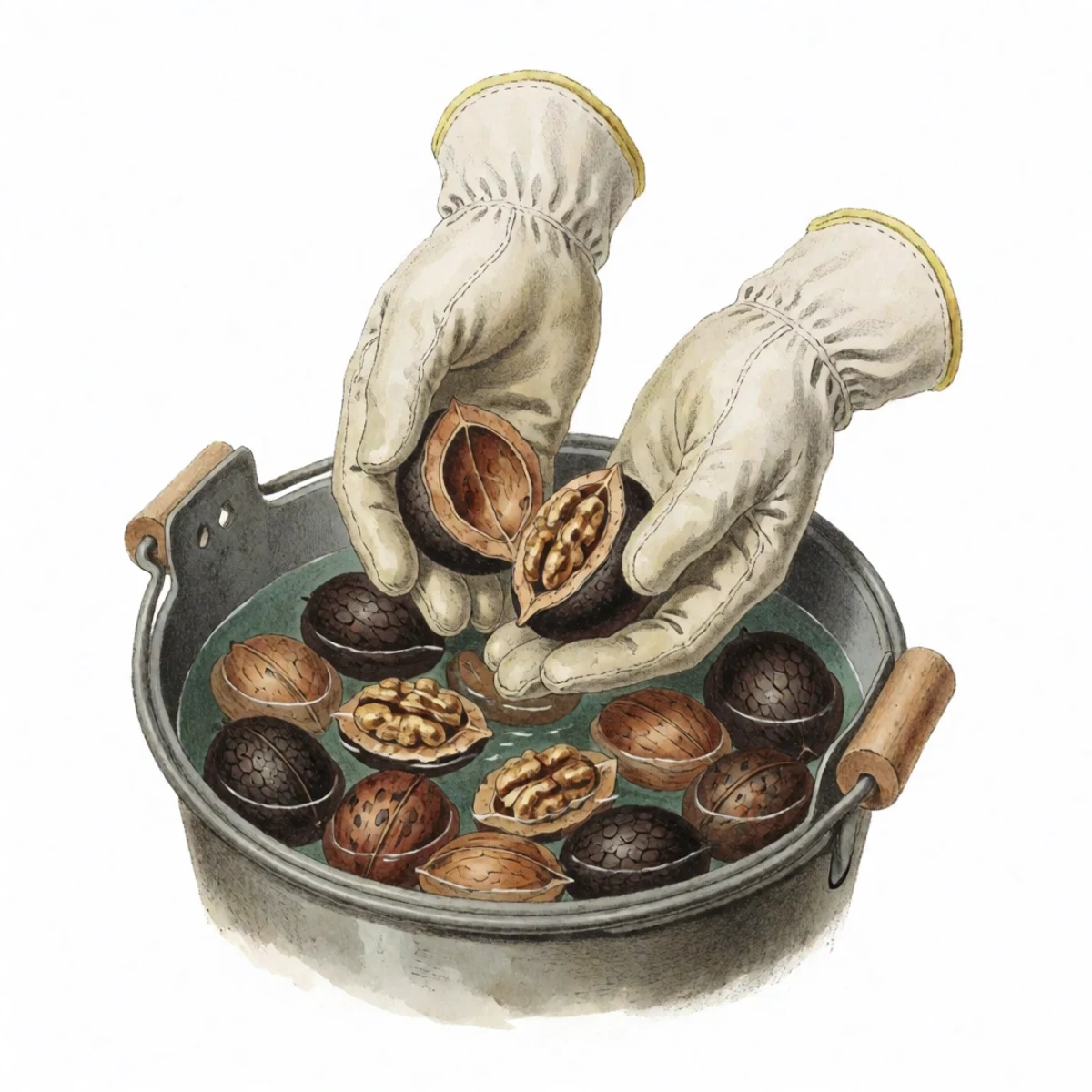
Get the husks off within a few days and wash the nuts in a bucket, wearing gloves. Throw out anything that floats, because floaters are poorly filled and will not sprout. This is the same test used on nuts meant for eating. The dense ones that sink are next year's trees.

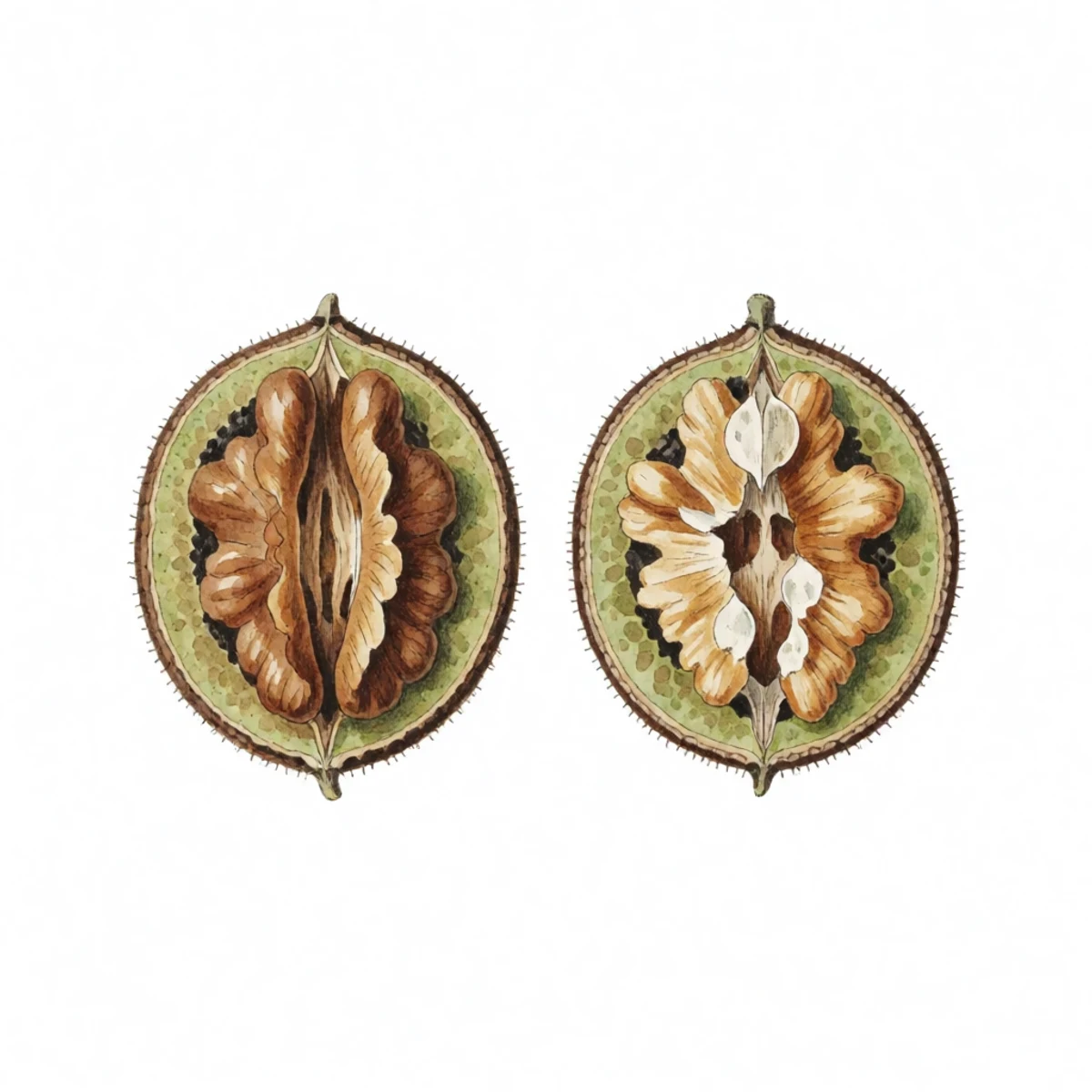
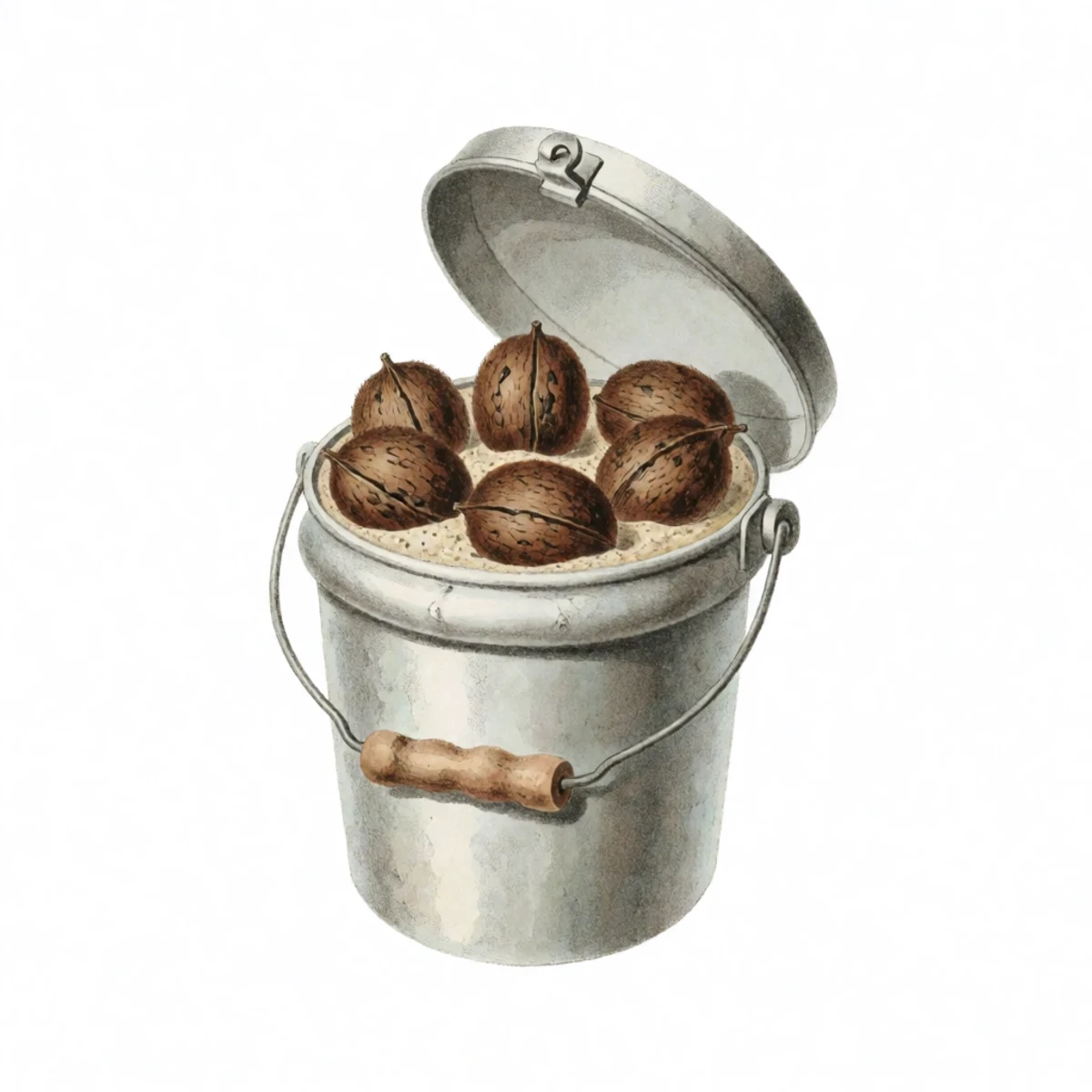
This is where planting and harvesting part ways. Curing, the two airy weeks that make a nut good for cracking, slowly kills the embryo inside. Nuts meant for planting stay damp from the wash bucket onward: buried in moist sand, bagged in the refrigerator, or put straight into the soil that same week.

The easiest approach is the one nature uses. Plant the nuts two to three inches deep where you want trees, or in a nursery row, and let winter provide the cold period. Then protect them: put a square of hardware cloth over each planting, weighted with a rock, or squirrels will dig up every nut by Thanksgiving. Mark the spot, because sprouts may not appear until June.

For more control, layer the washed nuts in moist sand in a lidded bucket or a bag and refrigerate at 33 to 40 °F for about 120 days, checking that the sand never dries out. In early spring, plant three to five nuts at each spot, two to three inches deep, and keep only the strongest seedling. Choose the permanent spot carefully: full sun, deep soil, and at least eighty feet from the vegetable garden. Walnut roots release juglone, which kills tomatoes, peppers, apples and blueberries, and the root zone of a mature tree reaches 50 to 80 feet out. The deep taproot means the tree cannot be moved once established.
As an Amazon Associate, Story Thyme Farms earns from qualifying purchases, at no cost to you. It never changes what we recommend.
Zones, cold-hardy cultivars, spacing, feeding, and where to buy one already rooted.
Open the black walnut guide →