Chervil

Anthriscus cerefolium

Family Apiaceae

Annual annualZones 2-11

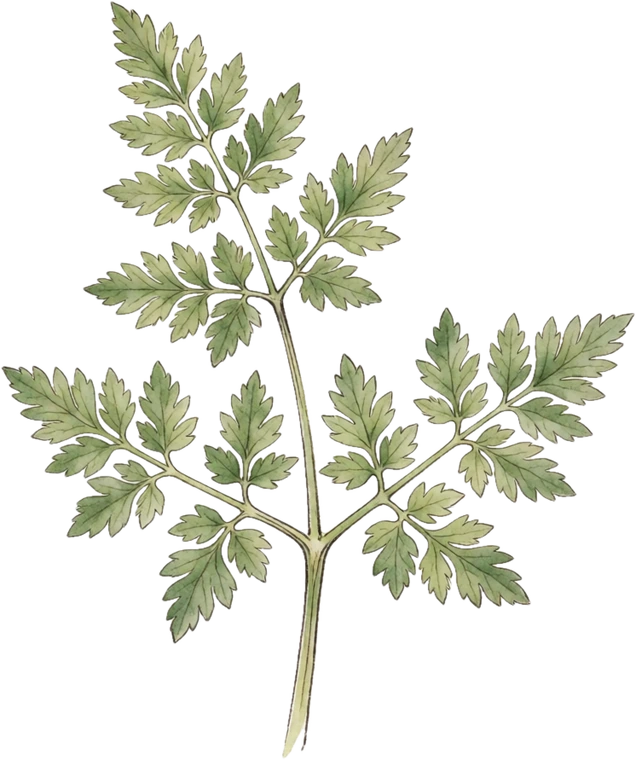
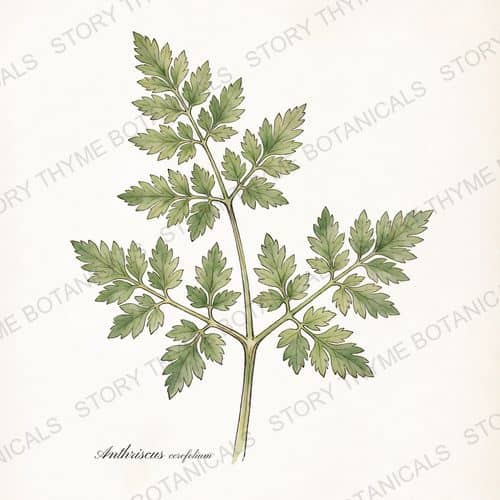
Botanical illustration of Chervil

Chervil is the herb French cooking keeps almost to itself — a feathery anise-parsley whisper that never survives drying or shipping, which is why the only good chervil is chervil cut minutes ago. Folded into eggs or a delicate sauce at the last moment, it is quietly transformative.

A cool-customer annual, it prefers the part-shade spots where lettuce is happy and does its best work in the mild ends of the season, spring and fall. Bees and butterflies find the summer flowers if you let it run. For the price of a seed packet, your fines herbes are finally complete.

Where to buy chervil — 3 nurseries compared

  • Part Shade — bolts fast in sun/heat
  • Moderate water
  • Fast growth
  • Attracts bees
  • Attracts butterflies
  • None winter chill
Chervil — a print from the Plant Library collection

From the print shop

Growing chervil? Hang it.

Our Plant Library collection carries chervil — Anthriscus cerefolium, print Nº 107, “Chervil.”

526 designsfrom $12.99white or black backgroundmatte poster, unframed

Shop Plant Library botanical prints →

✓

Will it fruit where you are?

Enter your ZIP — we look up your USDA hardiness zone (2023 map) and check it against what chervil actually needs.

Life cycleAnnual
Winter chillNone

Chervil · Common problems

Common chervil problems

Pests, diseases and weather to keep an eye on.

Pests

1 problem on file

  • Almost none

Diseases

1 problem on file

  • Few

Chervil · Growing & propagation

Growing chervil

Light, water, soil, propagation and the season’s jobs.
What it needsThe details
Light
Part Shade

Bolts fast in sun/heat

Water
Moderate, even
Soil
Rich, moist · pH 6.0 - 7.0
Fertilizer
None needed
Pruning
None

Direct-sow (dislikes transplanting); shade + succession beat the bolt.

Spacing
6-8 in

How to plant & propagate chervil

Maturity
60 days
From seed
Direct-sow in cool shade

Bolts fast; succession-sow

Propagate
From seed

Chervil · Seasonal care & spray guidance

The chervil growing playbook

Field-tested instructions for every job chervil asks of you, compiled from university extension guidance — in the order the season brings them.

As growth begins

early spring

3 jobs
SowingIn spring

Direct sow in early spring, and barely cover the seed

Sow chervil straight into the ground or into its final pot as soon as the soil can be worked. Cover the seed very lightly or not at all, and keep the surface damp by misting or by laying a single sheet of newspaper over the row until seedlings appear. Do not start it in flats to move later. Chervil seed needs light to germinate well, so burying it is the usual reason a sowing fails. The seedlings also resent root disturbance and transplant poorly, so the plant you keep is the one that comes up where you sowed it.

ThinningIn spring

Thin seedlings to about 15 inches apart

Once the seedlings are up and handling themselves, thin them to stand about 15 inches apart. Snip the extras at soil level rather than pulling them, and eat the thinnings. Chervil makes a plant 12 to 18 inches wide, so a stand thinned to about 15 inches apart gives each plant its room without crowding. Snipping instead of pulling spares the roots of the seedlings you are keeping, which do not recover from disturbance.

What to watch forIn spring

Check for slugs and snails on the young seedlings

Walk the row early in the morning while the plants are small and hand-pick any snails and slugs you find. If aphids show up on the foliage, knock them off with a spray of water from the hose. Slugs are the main thing that eats chervil, and the cool damp conditions the herb wants are exactly the conditions they thrive in. Seedlings are the vulnerable stage, since a slug can take out a plant you cannot replace by transplanting.

Through summer

the growing season

2 jobs
SowingIn summer

Re-sow every 3 to 4 weeks to stay ahead of bolting

Put in a short new row of chervil every three to four weeks through the season rather than relying on the spring planting. Sow each round the same way, on the surface with the seed barely covered. Chervil runs to flower readily once the days lengthen and warm, and a bolted plant does not come back as leaf. Succession sowing is the only reliable way to have tender leaves in hand all season, because you are always harvesting from a planting that has not yet turned.

WateringIn summer

Keep the soil evenly moist, and give it afternoon shade

Water chervil consistently so the soil never dries out, and site the summer sowings in full sun to partial shade, favoring partial shade through the heat of summer. Warm weather sends chervil to seed, and without consistent water it bolts and goes to seed as well. Steady moisture and part shade in summer keep it in the cool, unstressed state where it stays leafy.

Harvest time

as it ripens, and picking

1 job
HarvestingAt harvest

Cut leaves once fully open, and finish the planting before it flowers

Harvest leaves when they are fully open but still tender, taking a little at a time from around the outside so the center keeps growing. Once flower stalks start to rise, cut what you want and move on to the next sowing. Use chervil fresh and add it at the end of cooking. Chervil goes to flower readily, and once a planting bolts it stops giving you the tender leaf you grow it for, which is why the next sowing carries the harvest. The aromatic oil that carries the anise note is volatile and disappears when cooked, so add chervil to hot food just before serving rather than cooking it in.

After harvest

autumn, and putting it to bed

1 job
SowingIn autumn

Sow again in fall for a cool-season crop or a spring stand

Make a sowing in fall as the heat breaks. Seed sown in late fall will sit and germinate on its own the following spring, so leave the row alone over winter rather than reworking it. Chervil is at its best in cool weather, so autumn gives it the conditions spring plantings lose to summer. Late sowings that do not come up have not failed, they are waiting out the cold and will break dormancy when the soil warms.

Chervil · Calculators & field guides

A little help in the garden.

Calculators for the figures. Field guides for the hands-on work.

Chervil · Yearly calendar

The chervil year, month by month

What chervil asks for, month by month.

Jan

No calendar activity is listed for this month.

MonthJanFebMarAprMayJunJulAugSepOctNovDec
Harvest

HarvestMarch to May, then September to November

What each band means

  • Harvest — picking time — check ripeness every few days.

These are the species' typical months — expect them a few weeks earlier in warm zones and later in cold ones. Watch the plant, not just the calendar.

Chervil · Ecology & uses

Ecology & uses

What it does for the garden, and what it is grown for.
Botanical illustration of Chervil

Anthriscus cerefolium

Chervil in the garden system

  • Herbaceous layer annual
Attracts
Bees, Butterflies
Moisture
Facultative / average
Deer
Browsed

Protect young plants

Origin
Introduced

What chervil is grown for

✓ Commonly eaten

Use
Fines herbes
Use
Eggs
Use
Delicate sauces
Edible value
3/5

Harvesting & storing chervil

Leaves in cool weather; succession-sow spring + fall. About 60 days from planting.

Edibility, identification, and traditional-use notes here are general reference — not medical or veterinary advice, and not a claim that any plant treats or prevents anything. Medicinal ratings record how strongly a plant features in herbal tradition, nothing more. Never eat or dose a plant you have not positively identified. More on how to use this library.

Chervil · Varieties & cultivars

Choosing a chervil variety

Match the plant to your climate, season and available space.

'Brussels Winter' (slower bolt)

Sources & plant identity

Know what you’re growing.
See where the knowledge comes from.

Botanical illustration of Chervil

Chervil

Anthriscus cerefolium

The plant, at a glance.

Botanical name
Anthriscus cerefolium
Plant family
Apiaceae
Growth habit
Annual
Origin
Introduced
USDA plant symbol
ANCE
Invasive risk
Low
Every garden is different.

Hardiness, size and timing vary with your cultivar, soil and climate.

Rooted in research.

University extension research, brought together with hands-on growing experience at Story Thyme Farms.

Explore Chervil’s sources1 reference link
for Chervil

Research from these sources

Publisher marks identify sources, not sponsorship or endorsement.

Questions

Chervil questions, answered straight.

Is chervil safe for kids and pets?

Chervil is commonly eaten and isn't considered toxic, but "commonly eaten" isn't a guarantee for any particular person or animal — allergies, quantity, and which part you eat all matter. Never eat a plant you haven't positively identified, and check with a vet before letting pets or livestock graze anything new.

When do you harvest chervil?

Leaves in cool weather; succession-sow spring + fall. From planting, expect about 60 days to maturity.

How do you propagate chervil?

From seed.

Elsewhere

Where chervil sits in the library.

Where chervil sits in the library

Grows in the same world