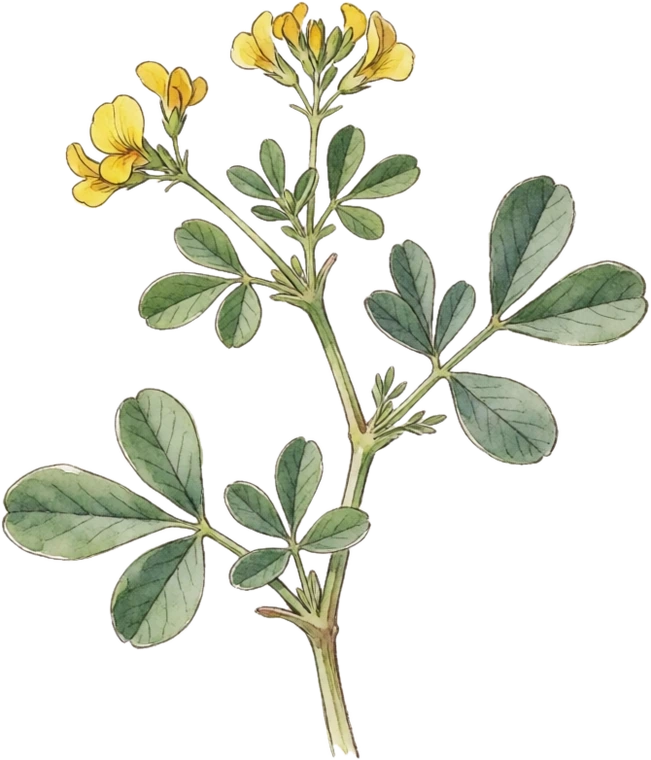
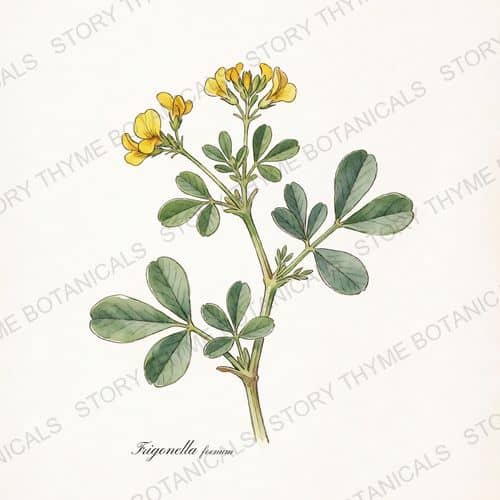
The illustrated growing guide
Fenugreek
Trigonella foenum-graecum
Family Fabaceae
Grown as an annual

Two harvests from one fast, soil-building legume — cut the young plants as methi, the fragrant slightly-bitter Indian curry green, or let them mature for the maple-scented golden seeds that go into curry powder (and sprout beautifully for salads). Nitrogen-fixing, so it doubles as a quick cover crop. Easy and quick from seed.
I
Overview
Will fenugreek suit your garden, and what goes wrong.
Will it fruit where you are?
Enter your ZIP — we look up your USDA hardiness zone (2023 map) and check it against what fenugreek actually needs.

Fenugreek at a glance
Common fenugreek problems
- Almost none
- Almost none
II
Growing
Light, water, soil, propagation and the season’s jobs.
How to grow fenugreek: light, water & soil
How to plant & propagate fenugreek
The fenugreek growing playbook
Field-tested instructions for every job fenugreek asks of you, compiled from university extension guidance — in the order the season brings them.
Sowing
Sow the seed crop in mid to late spring
Direct sow into a sunny, well drained bed in mid to late spring, once the soil has warmed and drained — light, well drained ground, never a cold wet bed. Sow about 1 to 1.5 inches deep, thinning to roughly 12 plants per square foot. Fenugreek resents transplanting, so seed it where it will stand. Soaking the seed about 12 hours before sowing speeds an even stand. A seed crop needs 105 to 140 days from sowing to mature pods, so a sowing much past mid spring runs the pods into cold, wet weather before they fill — the plant is indeterminate, and immature seed can be caught by fall frost. Young plants tolerate light frost while vegetative, which is why the crop can go in before the frost-free date, but the seed still wants warm, drained soil to germinate evenly.
Sow again in late summer for a leaf crop of methi
For leaves rather than seed, direct sow a fresh patch in late summer and plan to cut it young. Successive small sowings a few weeks apart keep tender methi coming rather than giving you one flush that bolts at once. Fenugreek is a cool season herb that runs to seed as temperatures climb, so a spring leaf sowing bolts just as it gets useful. Sown into cooling late summer soil, it stays leafy and mild through the fall.
Watering
Water low to moderate, and never let it sit wet
Give it steady but modest water and let the surface dry between waterings. Do not overwater, and never plant fenugreek in a low spot or a bed that holds water after rain. Fenugreek tolerates dry soil but is genuinely unsuited to wet ground, where growth turns slow and weak and root rot follows. The plant would rather be a little dry than a little drowned.
Feeding
Skip the nitrogen, this legume makes its own
Feed the bed with compost or a low nitrogen amendment at sowing and leave the nitrogen fertilizer in the shed. If you can get a rhizobia inoculant, treat the seed at sowing, though no product formulated specifically for fenugreek is currently sold. Fenugreek is a legume and with good nodulation fixes up to 58 percent of the nitrogen it needs, so added nitrogen mostly buys soft leafy growth instead of pods, and the plant leaves the bed richer than it found it.
What to watch for
Watch for leaf spot, root rot and leafhoppers in the humid stretch
Walk the patch weekly once the canopy closes, turning leaves to look for the dark concentric lesions of Alternaria leaf spot, for wilting plants that pull up with rotted roots, and for leafhoppers. Thin or widen spacing to move air through the canopy, and rotate to a fresh bed next year rather than reaching for a spray. Alternaria leaf spot, root rot and leafhoppers are the real problems on this crop, and the leaf diseases are driven by humidity trapped in a dense canopy. Site selection and air movement do most of the control work, and fenugreek is a minor crop with essentially no labeled home garden fungicides behind it.
⚠ Do not borrow a pesticide from another crop's label. Fenugreek is rarely named on US pesticide labels, and applying to a crop the label does not list is illegal.
Harvesting
Cut methi leaves young, about 30 to 40 days from sowing
The fresh herb is ready roughly 30 to 40 days after sowing. Cut whole young plants at the base in bunches, or take the top third of the stems and let the plant push again. Take them before flowering starts. Leaf quality peaks in young, pre bloom growth. Once the plant tips into flowering it sends everything into pods and the remaining leaves turn tough and bitter.
Leave the seed crop standing until the pods go yellow-brown and dry
Let the plants stand until fully mature, when the plant yellows and the slender pods turn yellow-brown, typically after a killing frost. Pull or cut whole plants, finish drying them under cover, then thresh the pods. Dry the seed to 12 percent moisture or below before storing, and keep it cool. Pods are held upright in the top of the canopy and resist shattering, so late maturity costs little and the seed keeps ripening. Fenugreek seed has been observed to spoil at 15 percent moisture, so getting it dry and cool is what actually saves the crop.
III
The year
What fenugreek asks for, month by month.
The fenugreek year, month by month
What each band means
- Bloom — flowers open — pollinators working, frost on blossoms is the danger.
The fenugreek year as text
- Jan quiet month
- Feb quiet month
- Mar quiet month
- Apr quiet month
- May quiet month
- Jun bloom
- Jul bloom
- Aug bloom
- Sep quiet month
- Oct quiet month
- Nov quiet month
- Dec quiet month
These are the species' typical months — expect them a few weeks earlier in warm zones and later in cold ones. Watch the plant, not just the calendar.
IV
Ecology & uses
What it does for the garden, and what it is grown for.
Fenugreek in the garden system
- Herbaceous layer annual
- N-fixer
What fenugreek is grown for
✓ Commonly eatenSafe (culinary); seeds are strong and traditionally medicinal — culinary amounts fine
Harvesting & storing fenugreek
Two crops: tender leaves (methi — a curry green) harvested young, and the golden SEEDS (maple-scented curry spice) from mature pods. About 30 (greens); 90 (seed) from planting.
Edibility, identification, and traditional-use notes here are general reference — not medical or veterinary advice, and not a claim that any plant treats or prevents anything. Medicinal ratings record how strongly a plant features in herbal tradition, nothing more. Never eat or dose a plant you have not positively identified. More on how to use this library.
V
Cultivars
Named varieties of fenugreek, ruled as a catalogue.
Best fenugreek varieties & cultivars
Species (methi)
VI
Sources & plant ID
Where the care distinctions come from, and how the plant is filed.
Research basis
Sources behind this profile
No extension citations are attached to fenugreekyet. The care figures below come from the library's own catalogue rather than a traced primary source.
Plant ID
VII
Where to buy
Third-party nurseries — not Story Thyme Farms.
Third-party nurseries, not Story Thyme Farms. Prices are theirs.
Story Thyme Farms may earn a small commission from these links, at no cost to you — it never changes what we recommend.
VIII
Questions
Fenugreek questions, answered straight.
Is fenugreek safe for kids and pets?
Fenugreek is commonly eaten and isn't considered toxic, but "commonly eaten" isn't a guarantee for any particular person or animal — allergies, quantity, and which part you eat all matter. One caveat on this one: culinary); seeds are strong and traditionally medicinal — culinary amounts fine. Never eat a plant you haven't positively identified, and check with a vet before letting pets or livestock graze anything new.
When do you harvest fenugreek?
Two crops: tender leaves (methi — a curry green) harvested young, and the golden SEEDS (maple-scented curry spice) from mature pods. From planting, expect about 30 (greens); 90 (seed) to maturity.
How do you propagate fenugreek?
From seed.
IX
Elsewhere
Where fenugreek sits in the library.
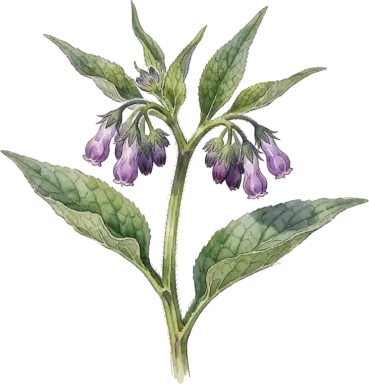
Comfrey
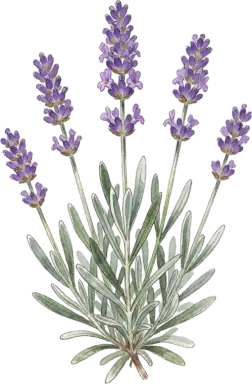
Lavender
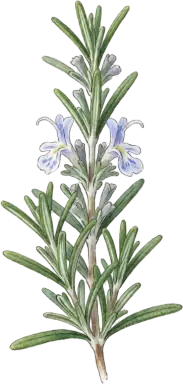
Rosemary
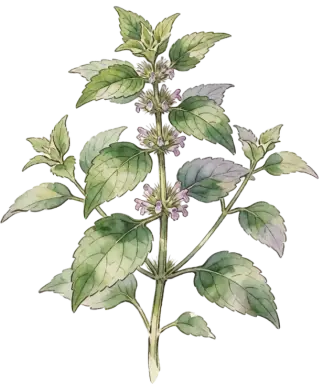
Anise Hyssop