The illustrated growing guide

Lemon Verbena

Aloysia citrodora

Family Verbenaceae

Est. zones 8-10

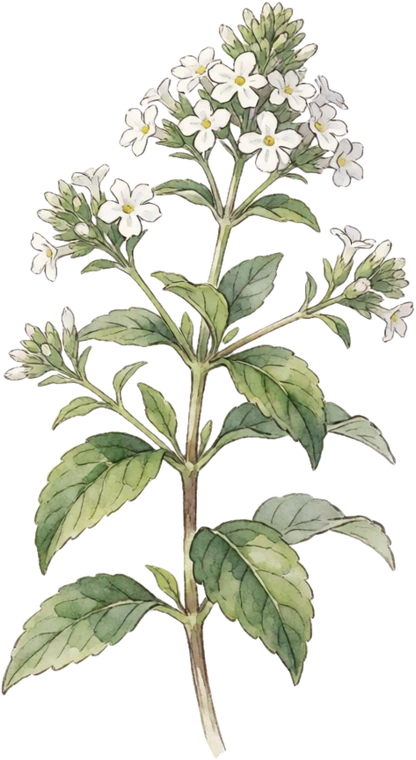
Botanical illustration of Lemon Verbena
Shrub · Aloysia citrodora

Rub one leaf and you'll never skip it again — pure lemon candy, zero sourness. The supreme tisane herb of French gardens; dries at full strength for winter. Drops every leaf in the fall garage and resurrects in May — that's normal, not death.

ShrubFull SunModerate waterFast in summer growth

Where to buy the plant — 1 nursery

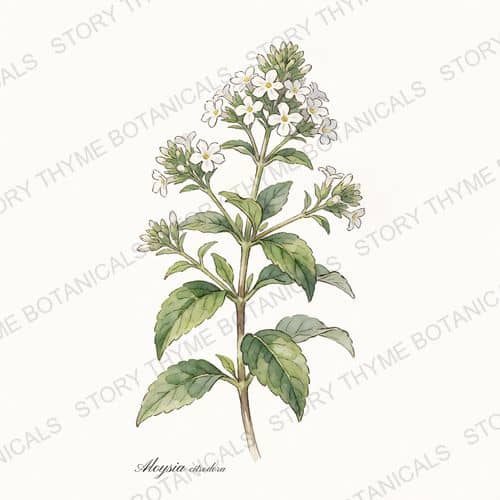
Lemon Verbena — a print from the Tea Herbs collection

From the print shop

Growing lemon verbena? Hang it.

Our Tea Herbs collection carries lemon verbenaAloysia citrodora, print Nº 2, “Lemon Verbena.”

16 designsfrom $21.99white or black groundmatte poster, unframed

Shop Tea Herbs botanical prints →

I

Overview

Will lemon verbena suit your garden, and what goes wrong.

Will it fruit where you are?

Enter your ZIP — we look up your USDA hardiness zone (2023 map) and check it against what lemon verbena actually needs.

Life cyclePerennial zones 8–10, annual elsewhere

Lemon Verbena at a glance

Life cyclePerennial zones 8–10, annual elsewhere
Mature size3-6 ft (2-3 ft potted)
PollinationMinor
Chill requirementNot yet established
Bloom seasonLate Summer (airy white)
Harvest seasonLeaves all season — the strongest, truest lemon scent in the plant kingdom
Growth rateFast in summer

Common lemon verbena problems

II

Growing

Light, water, soil, propagation and the season’s jobs.

How to grow lemon verbena: light, water & soil

LightFull Sun
WaterModerate; dryish in winter dormancy
SoilWell-drained · pH 6.0 - 7.0
FertilizerMonthly in season (potted)
PruningSpring (it leafs out LATE — never declare it dead before June) — Cut back by half in spring; pot culture: cool garage/basement winter, near-dry.
SpacingContainer or 3 ft

How to plant & propagate lemon verbena

PropagateSeed (stratify), cuttings, or layering

The lemon verbena growing playbook

Field-tested instructions for every job lemon verbena asks of you, compiled from university extension guidance — in the order the season brings them.

Feeding

Feed container plants every two weeks while growing

Lemon verbena in a pot is a heavy feeder; use a general purpose liquid fertilizer about every two weeks through the growing season, then taper off as you bring it indoors for winter. Plants in the ground in well-prepared, fertile soil generally do not need this. A heavy feeder in a container exhausts the small volume of media it has, and frequent leaf harvest keeps removing the nitrogen the plant needs to push the next flush; in-ground plants reach far more soil and rarely run short.

Pruning

Prune for shape once new growth breaks in spring

Wait until the plant actually begins to leaf out, then cut out the branches that stayed bare and shorten the rest to encourage a bushier form. Thin crowded branches while you are in there. Lemon verbena leafs out late and cold weather kills scattered branches over winter, so bare wood in early spring is not reliably dead; letting the buds break first is the only way to tell live wood from dead, and cutting back the survivors forces the branching that carries the season's leaves.

What to watch for

Watch for spider mites while the plant winters indoors

Check the undersides of the leaves near the veins every week or two for tiny white flecks, then graying or bronzing foliage, and webbing in bad cases. Also look for whitefly nymphs, which sit still and translucent on the leaf undersides while the gnat-like adults fly up when disturbed. Raise humidity, rinse the plant periodically with jets of water, and hang yellow sticky traps if whitefly adults are about. Hot, dry indoor sites are exactly what spider mites want, and heated winter air next to a bright window turns an overwintering lemon verbena into ideal mite habitat; mites and whiteflies both feed hidden on leaf undersides, so an infestation is usually well established by the time the top of the leaf looks wrong.

Spraying

Treat indoor mites and whitefly with insecticidal soap or horticultural oil

If rinsing has not cleared them, spray insecticidal soap or horticultural oil, covering the top of the leaf and especially the underside where the pests actually sit. Repeat every four to seven days until they are gone, since both are contact-only materials with no residual activity. For spider mites, reach for the horticultural oil first: Colorado State Extension rates oil 'probably the most effective spray' and insecticidal soap 'marginally effective' against mites. Note that sources differ here — Clemson lists spider mites among the soft-bodied pests most susceptible to soap — so if you already have soap on hand it is worth trying, but oil is the better bet against a real mite population. Soap works well on whitefly nymphs. Soaps kill by disrupting the pest's cell membranes on contact, so anything the spray does not physically wet survives, and the eggs left behind hatch into a new generation within days, which is why one thorough application is never enough.

Insecticidal soap can be used on edibles up to harvest with no waiting period. Follow the product label for horticultural oil, which the soap factsheet does not cover. Do not spray in full sun or above 90 degrees F, do not spray a water-stressed plant, and test a small area and wait 24 hours before treating the whole plant, as some plants are injured by soap. Do not use imidacloprid, bifenthrin, or other systemic or pyrethroid insecticides on a plant whose leaves you eat, and never spray an insecticide on lemon verbena in bloom, as the flowers draw bees.

Protection

Move lemon verbena indoors before the first frost

Below zone 8, bring the pot inside before frost arrives and set it in the brightest window you have. Keep the soil uniformly moist but never soggy, and cut back on fertilizer for the winter. Expect it to drop most of its leaves indoors; that is normal and not a death sentence, so keep watering lightly and wait for spring. Lemon verbena is a frost-sensitive tender perennial that is only hardy outdoors in zone 8 and warmer, and the leaf drop indoors is its deciduous response to short days and lower light rather than a sign the plant is dying.

Harvesting

Harvest leaves through summer, and cut your drying crop before the flowers open

Pinch tips and leaves as needed all season. For a big batch to dry, cut branches once the flower buds appear but before they open, harvesting in the morning after the dew has dried but before the day heats up. You can take up to 75 percent of the current season's growth at once as long as plenty of foliage remains. Volatile oil in the leaves peaks just before bloom and drops once the plant shifts its energy into flowering, and picking after the dew dries but ahead of the day's heat avoids both mildew in the drying bundle and the sun volatilizing off the oils that carry the lemon scent.

III

The year

What lemon verbena asks for, month by month.

The lemon verbena year, month by month

MonthJanFebMarAprMayJunJulAugSepOctNovDec
Bloom
Prune

What each band means

  • Bloomflowers open — pollinators working, frost on blossoms is the danger.
  • Pruneshape it now — cuts heal cleanly and structure is visible.

The lemon verbena year as text

  • Jan quiet month
  • Feb quiet month
  • Mar pruning
  • Apr pruning
  • May pruning
  • Jun pruning
  • Jul quiet month
  • Aug bloom
  • Sep quiet month
  • Oct quiet month
  • Nov quiet month
  • Dec quiet month

These are the species' typical months — expect them a few weeks earlier in warm zones and later in cold ones. Watch the plant, not just the calendar.

IV

Ecology & uses

What it does for the garden, and what it is grown for.

Lemon Verbena in the garden system

  • Herbaceous layer shrub
MoistureFacultative / average
DeerBrowsed — protect young plants
OriginIntroduced

What lemon verbena is grown for

✓ Commonly eaten

UseBest-in-class tea
UseDesserts
UseFragrance
Edible value3/5

Harvesting & storing lemon verbena

Leaves all season — the strongest, truest lemon scent in the plant kingdom.

Edibility, identification, and traditional-use notes here are general reference — not medical or veterinary advice, and not a claim that any plant treats or prevents anything. Medicinal ratings record how strongly a plant features in herbal tradition, nothing more. Never eat or dose a plant you have not positively identified. More on how to use this library.

V

Cultivars

Named varieties of lemon verbena, ruled as a catalogue.

Best lemon verbena varieties & cultivars

Standard

VI

Sources & plant ID

Where the care distinctions come from, and how the plant is filed.

Research basis

Sources behind this profile

No extension citations are attached to lemon verbenayet. The care figures below come from the library's own catalogue rather than a traced primary source.

Plant ID

BinomialAloysia citrodora
FamilyVerbenaceae
TypeShrub · Tender Perennial
USDA symbolALCI4
OriginIntroduced
Invasive riskLow

VII

Where to buy

Third-party nurseries — not Story Thyme Farms.

Third-party nurseries, not Story Thyme Farms. Prices are theirs.

Story Thyme Farms may earn a small commission from these links, at no cost to you — it never changes what we recommend.

VIII

Questions

Lemon Verbena questions, answered straight.

Is lemon verbena safe for kids and pets?

Lemon Verbena is commonly eaten and isn't considered toxic, but "commonly eaten" isn't a guarantee for any particular person or animal — allergies, quantity, and which part you eat all matter. Never eat a plant you haven't positively identified, and check with a vet before letting pets or livestock graze anything new.

When do you harvest lemon verbena?

Leaves all season — the strongest, truest lemon scent in the plant kingdom.

How do you propagate lemon verbena?

Seed (stratify), cuttings, or layering.

IX

Elsewhere

Where lemon verbena sits in the library.

Where lemon verbena sits in the library

Grows in the same world