Oregano

Origanum vulgare subsp. hirtum

Family Lamiaceae

PerennialZones 4-9

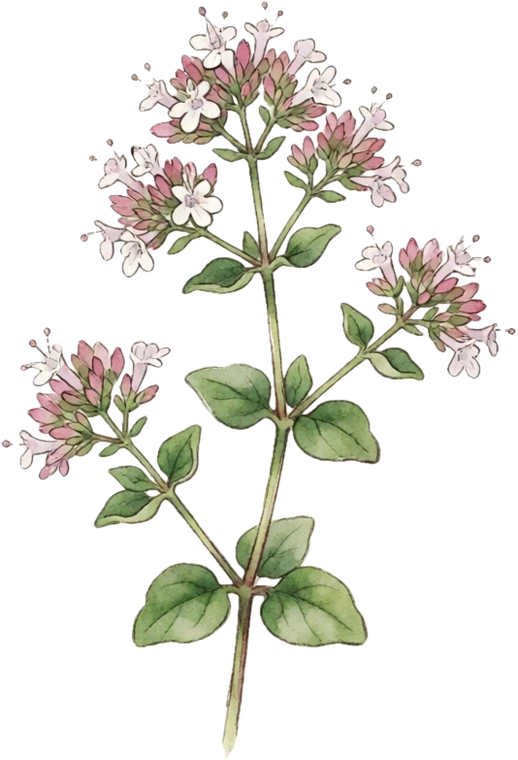
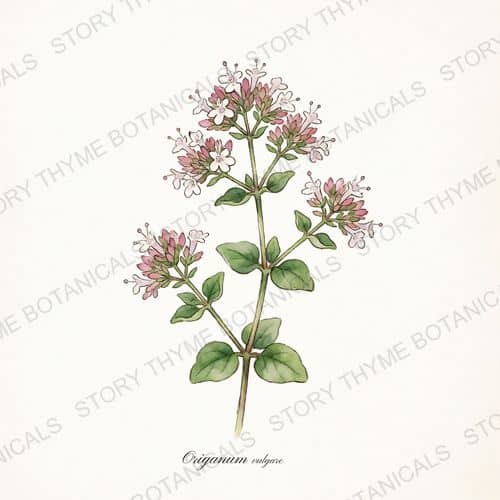
Botanical illustration of Oregano

True Greek oregano is a different animal from the dusty jar: piney, peppery, almost hot on the tongue. Cut from May to frost, it's one of the only herbs that gets stronger when dried — this winter's pizza is already growing in the bed.

A fast, low mound for full sun and lean, dry ground, it asks for almost nothing and blooms into a small bee festival every summer. Hardy through zones 4-9, it comes back bigger each year. Edge a hot path with it and start drying.

Where to buy oregano — 7 nurseries compared

  • Full Sun
  • Low water
  • Fast growth
  • Attracts bees
Oregano — a print from the Plant Library collection

From the print shop

Growing oregano? Hang it.

Our Plant Library collection carries oregano — Origanum vulgare, print Nº 339, “Oregano.”

526 designsfrom $12.99white or black backgroundmatte poster, unframed

Shop Plant Library botanical prints →

✓

Will it fruit where you are?

Enter your ZIP — we look up your USDA hardiness zone (2023 map) and check it against what oregano actually needs.

Hardy inZones 4-9

Oregano · Common problems

Common oregano problems

Pests, diseases and weather to keep an eye on.

Pests

1 problem on file

Diseases

1 problem on file

Oregano · Growing & propagation

Growing oregano

Light, water, soil, propagation and the season’s jobs.
What it needsThe details
Light
Full Sun
Water
Low
Soil
Poor, Well-drained · pH 6.5 - 7.5
Fertilizer
None.
Pruning
Spring + after bloom

Cut back hard (to 3 inches) after flowering for a second flush.

Spacing
12-18 inches

How to plant & propagate oregano

Propagate
Division or seed

Oregano · Seasonal care & spray guidance

The oregano growing playbook

Field-tested instructions for every job oregano asks of you, compiled from university extension guidance — in the order the season brings them.

While it is dormant

winter, before growth starts

1 job
PruningIn winter

Clear out the old woody stems at winter's end

Late in winter, before new growth pushes, cut out the old wood that has gone leggy and bare. Leave the low growth that will carry this year's shoots. Oregano lays down woody stems that stop producing good leaves, and removing them before the plant breaks dormancy sends the season's growth into fresh tender shoots instead.

As growth begins

early spring

2 jobs
DividingIn spring

Divide the clump every three to four years

In spring, lift the plant every three or four years once the center has gone woody, split the crown into rooted pieces, and replant the vigorous outer sections 10 to 12 inches apart. Discard the spent woody middle. An oregano clump grows outward and the old center turns to bare wood, so dividing it resets the planting to young rooted growth and is also the free way to expand your patch.

PruningIn spring

Pinch the tips once shoots reach six inches

When new shoots are about six inches long, pinch out the growing tips. Keep pinching and harvesting through the season rather than letting stems run. Pinching a tip releases the buds below it, so each stem forks into several - that is what turns a thin sprawling plant into a dense mound of pickable leaves.

Through summer

the growing season

1 job
WateringIn summer

Water sparingly - oregano wants it dry

Once established, give oregano little to moderate water and let the soil surface dry between waterings. Keep it out of the reach of lawn sprinklers and off any spot that stays wet. Oregano is a heat and drought tolerant Mediterranean plant, and a soil surface kept damp is what invites root rot along with the snails, slugs, and sowbugs that shelter there.

Harvest time

as it ripens, and picking

1 job
HarvestingBefore harvest

Cut oregano just before the flowers open

Once the flower buds show but before the plant is in full flower, cut stems back hard - you can take up to three quarters of the current season's growth in a single harvest. Strip the leaves, or hang small bundles in a ventilated paper bag indoors to dry. The aromatic oils that carry oregano's flavor concentrate in the leaves as the plant builds toward bloom and then thin out once it flowers and puts its energy into seed.

Oregano · Calculators & field guides

A little help in the garden.

Calculators for the figures. Field guides for the hands-on work.

Oregano · Yearly calendar

The oregano year, month by month

What oregano asks for, month by month.

Jan

No calendar activity is listed for this month.

MonthJanFebMarAprMayJunJulAugSepOctNovDec
Bloom
Prune
Harvest

BloomJune to August

PruneMarch to May

HarvestMay

What each band means

  • Bloom — flowers open — pollinators working, frost on blossoms is the danger.
  • Prune — shape it now — cuts heal cleanly and structure is visible.
  • Harvest — picking time — check ripeness every few days.

These are the species' typical months — expect them a few weeks earlier in warm zones and later in cold ones. Watch the plant, not just the calendar.

Oregano · Ecology & uses

Ecology & uses

What it does for the garden, and what it is grown for.
Botanical illustration of Oregano

Origanum vulgare subsp. hirtum

Oregano in the garden system

  • Herbaceous layer perennial
  • Nectary/insectary
Attracts
Bees
Moisture
Upland / dry
Deer
Browsed

Protect young plants

Origin
Introduced

What oregano is grown for

✓ Commonly eaten

Use
Culinary
Use
Drying
Use
Pollinator
Edible value
3/5

Harvesting & storing oregano

May - Frost, flavor peaks just before bloom.

Edibility, identification, and traditional-use notes here are general reference — not medical or veterinary advice, and not a claim that any plant treats or prevents anything. Medicinal ratings record how strongly a plant features in herbal tradition, nothing more. Never eat or dose a plant you have not positively identified. More on how to use this library.

Oregano · Varieties & cultivars

Choosing a oregano variety

Match the plant to your climate, season and available space.

Greek (true), Italian

Sources & plant identity

Know what you’re growing.
See where the knowledge comes from.

Botanical illustration of Oregano

Oregano

Origanum vulgare subsp. hirtum

The plant, at a glance.

Botanical name
Origanum vulgare subsp. hirtum
Plant family
Lamiaceae
Growth habit
Perennial
Origin
Introduced
USDA plant symbol
ORVU
Invasive risk
Low
Every garden is different.

Hardiness, size and timing vary with your cultivar, soil and climate.

Rooted in research.

University extension research, brought together with hands-on growing experience at Story Thyme Farms.

Explore Oregano’s sources2 reference links
for Oregano

Research from these sources

Publisher marks identify sources, not sponsorship or endorsement.

Questions

Oregano questions, answered straight.

Is oregano safe for kids and pets?

Oregano is commonly eaten and isn't considered toxic, but "commonly eaten" isn't a guarantee for any particular person or animal — allergies, quantity, and which part you eat all matter. Never eat a plant you haven't positively identified, and check with a vet before letting pets or livestock graze anything new.

When do you harvest oregano?

May - Frost, flavor peaks just before bloom.

How do you propagate oregano?

Division or seed.

Elsewhere

Where oregano sits in the library.

Where oregano sits in the library

Grows in the same world