Pennyroyal
Mentha pulegium
Family Lamiaceae
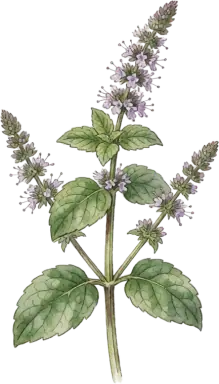
Pennyroyal earns its page for a different reason: it's the mint you need to recognize, not grow. It looks and smells like a culinary mint, but its oil is dominated by pulegone, a compound that has caused documented liver failure and deaths — never a tea herb, ever.
Beyond the kitchen risk, it's a listed invasive that runs through wet ground by rhizome and seed, naturalized across twenty states including Missouri, and it's poisonous to pets and livestock too. Learn its low, damp-loving look, then plant a true spearmint or peppermint instead — same freshness, none of the danger.
⚠ Invasive in parts of the USCheck your state before planting.
⚠ Spreads aggressivelyPennyroyal spreads aggressively — mints and their kin send out underground runners and are extremely hard to get rid of once they're in the ground. Grow it in a sunken pot or a fully contained bed, never loose in open soil.
 Full Sun to Part Shade
 High water
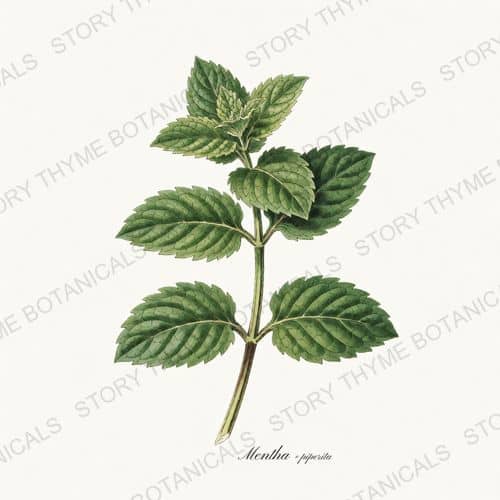
From the print shop
The closest print we make
We don’t print Mentha pulegium. The closest we have is Mentha × piperita (“Peppermint”) in the Kitchen & Orchard collection — the same genus, Mentha, not the same species.
16 designsfrom $12.99white or black backgroundmatte poster, unframed
Will it thrive where you are?
Enter your ZIP — we look up your USDA hardiness zone (2023 map) and check it against what pennyroyal actually needs.
 Hardy inZones —
Pennyroyal · Common problems
Common pennyroyal problems
Nothing common enough to list for pennyroyal. Watch it like anything else in the garden, and check the plants growing next to it.
Pennyroyal · Growing & propagation
Growing pennyroyal
- Light
- Full Sun to Part Shade
- Water
- High (Likes wet)
 Soil
Soil- Moist to seasonally wet
CDFA records it as an obligate wetland indicator; RHS lists chalk, clay, loam and sand

How to plant & propagate pennyroyal
- Propagate
- Rhizomes and seed
Pennyroyal · Calculators & field guides
A little help in the garden.
Pennyroyal · Yearly calendar
The pennyroyal year, month by month
Jan
No calendar activity is listed for this month.
 Bloom
BloomBloomJune to August
What each band means
- Bloom — flowers open — pollinators working, frost on blossoms is the danger.
These are the species' typical months — expect them a few weeks earlier in warm zones and later in cold ones. Watch the plant, not just the calendar.
Pennyroyal · Ecology & uses
Ecology & uses
Pennyroyal in the garden system
 Habitat
- Wetland
 Moisture
- Wetland / wet-tolerant
 Deer
Deer- Browsed
Protect young plants
 Origin
- Introduced
What pennyroyal is grown for
⚠ Toxic if eatenTOXIC — this is NOT culinary mint. Pennyroyal oil is about 85% pulegone, which the liver converts to menthofuran and which depletes glutathione; NIH LiverTox records that as little as one tablespoon (15 mL) can cause seizures, coma, acute liver failure and multi-organ failure, and describes a fatal case in an 18-year-old. Two infants given pennyroyal in a home-brewed herbal TEA suffered multi-organ failure and one died (Bakerink 1996, Pediatrics; PMID 8909490); a review of 18 cases found moderate to severe toxicity from about 10 mL of the oil (Anderson 1996, Ann Intern Med; PMID 8633832). A dog died within 48 hours after pennyroyal oil was applied to its coat for fleas (Sudekum 1992, JAVMA; PMID 1568929). California Dept. of Food and Agriculture reports it unpalatable and poisonous to cattle. NOTE: ASPCA has NO pennyroyal entry — only a genus-level Mint (Mentha sp.) listing, toxic to dogs, cats and horses, whose stated signs of vomiting and diarrhoea understate this species badly. Never eat it, never brew it as tea, and never put the oil on skin or on a pet.
Edibility, identification, and traditional-use notes here are general reference — not medical or veterinary advice, and not a claim that any plant treats or prevents anything. Medicinal ratings record how strongly a plant features in herbal tradition, nothing more. Never eat or dose a plant you have not positively identified. More on how to use this library.
Pennyroyal · Varieties & cultivars
Choosing a pennyroyal variety
Compare hardiness, mature size, growth habit, days to maturity and intended use in the seller’s variety description. Where this guide covers several plant types, start with the type you want to grow, then choose a variety for your season and space.
Sources & plant identity
Know what you’re growing.
See where the knowledge comes from.
Pennyroyal
Mentha pulegium
The plant, at a glance.
- Botanical name
- Mentha pulegium
- Plant family
- Lamiaceae
- Growth habit
- Perennial
- Origin
- Introduced
- USDA plant symbol
- MEPU
- Invasive risk
- High; check your state
Hardiness, size and timing vary with your cultivar, soil and climate.
Rooted in research.
University extension research, brought together with hands-on growing experience at Story Thyme Farms.
Questions
Pennyroyal questions, answered straight.
Is pennyroyal safe for kids and pets?
No — treat it as toxic if eaten. TOXIC — this is NOT culinary mint. Pennyroyal oil is about 85% pulegone, which the liver converts to menthofuran and which depletes glutathione; NIH LiverTox records that as little as one tablespoon (15 mL) can cause seizures, coma, acute liver failure and multi-organ failure, and describes a fatal case in an 18-year-old. Two infants given pennyroyal in a home-brewed herbal TEA suffered multi-organ failure and one died (Bakerink 1996, Pediatrics; PMID 8909490); a review of 18 cases found moderate to severe toxicity from about 10 mL of the oil (Anderson 1996, Ann Intern Med; PMID 8633832). A dog died within 48 hours after pennyroyal oil was applied to its coat for fleas (Sudekum 1992, JAVMA; PMID 1568929). California Dept. of Food and Agriculture reports it unpalatable and poisonous to cattle. NOTE: ASPCA has NO pennyroyal entry — only a genus-level Mint (Mentha sp.) listing, toxic to dogs, cats and horses, whose stated signs of vomiting and diarrhoea understate this species badly. Never eat it, never brew it as tea, and never put the oil on skin or on a pet. Site it accordingly if children or pets roam the garden. This is general reference, not medical or veterinary advice — call a vet or poison control if something has actually been eaten.
How do you propagate pennyroyal?
Rhizomes and seed.
Is pennyroyal invasive?
It can be invasive in some regions — give it room or a barrier, and check your state's invasive-species list before planting.
Elsewhere
Where pennyroyal sits in the library.
 Comfrey
 Anise Hyssop
 Echinacea
 Mint
Mint