The illustrated growing guide

French Tarragon

Artemisia dracunculus 'Sativa'

Family Asteraceae

Est. zones 4-8

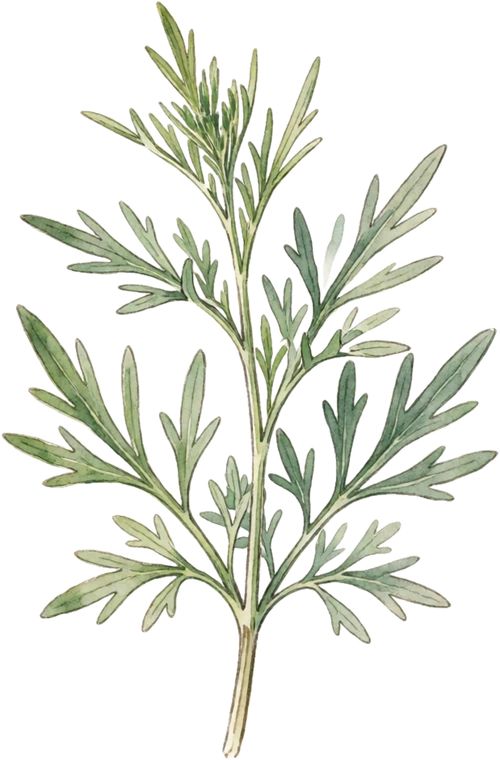
Botanical illustration of French Tarragon
Perennial · Artemisia dracunculus 'Sativa'

The anise-kissed soul of béarnaise. Rule one: if the tag says 'from seed', walk away — true French tarragon only comes as a cutting or division.

Perennial · NativeFull SunLow waterModerate growthNative to North America

Where to buy the plant — 1 nursery

I

Overview

Will french tarragon suit your garden, and what goes wrong.

Will it fruit where you are?

Enter your ZIP — we look up your USDA hardiness zone (2023 map) and check it against what french tarragon actually needs.

Hardy inZones 4-8

French Tarragon at a glance

HardinessUSDA 4–8
Mature size2-3 ft
PollinationSterile — never sets seed (buy plants, always)
Chill requirementNot yet established
Bloom seasonRarely flowers
Harvest seasonSprigs all season; flavor peaks early summer
Growth rateModerate

Common french tarragon problems

  • Almost none
  • Root Rot (wet winters kill more tarragon than cold)

II

Growing

Light, water, soil, propagation and the season’s jobs.

How to grow french tarragon: light, water & soil

LightFull Sun
WaterLow — hates wet feet more than drought
SoilLight, sandy, sharp drainage · pH 6.5 - 7.5
FertilizerAlmost none; rich soil dilutes flavor
PruningSpring — Cut back by half in midsummer for a fresh flush; divide clumps every 3-4 years.
Spacing18-24 in

How to plant & propagate french tarragon

PropagateDivision or seed

The french tarragon growing playbook

Field-tested instructions for every job french tarragon asks of you, compiled from university extension guidance — in the order the season brings them.

Watering

Water once a week and let the soil dry between

Water new plants often until they are established, then cut back to about once weekly and let the soil dry out between waterings. Tarragon is otherwise essentially insect and disease free, so root rot from overwatering or poor drainage is the one thing that actually kills it. The plant wants warm, dry, well-drained ground.

Mulching

Mulch heavily before the ground freezes

Lay a heavy mulch over the plant before winter sets in. Keep it there through the cold and pull it back in spring. When weeding at any season, cultivate shallowly. Tarragon is hardy only to zone 4, and heavy mulch is what carries the crown through in the colder end of its range. Its roots run shallow, so a deep hoe does more damage than the weeds.

Feeding

Feed only at planting, then leave it hungry

Work fertilizer or up to one inch of compost per 100 square feet into the top six inches of soil when you plant, and do not feed established plants after that. Tarragon's flavor intensifies in nutrient-poor soil, so feeding a settled plant buys you lush growth at the cost of the oils you grow it for.

Dividing

Divide the clump every 2 to 3 years

In spring, just as the new shoot tips emerge, lift the clump and separate it with a knife into three to five pieces, each with roots and shoots. Replant 24 inches apart. Renovate this way every two to three years; some sources stretch it to four. French tarragon seldom flowers and sets little viable seed, so it exists only as divisions and cuttings and an undivided clump crowds itself into a woody, thin-flavored center. Utah State Extension calls for renovating every 2 to 3 years to maintain flavor and vigorous growth. Use a knife rather than a shovel or hoe because the roots are brittle and tear.

Pruning

Cut back last year's tops as growth resumes

In spring, once new green growth is pushing from the crown, cut the old dead stems back to the ground. Leave the spent tops standing all winter rather than shearing them in fall. Illinois Extension advises cutting back just as growth resumes in spring, and reports that leaving the tops standing over winter helps improve the plant's overwintering chances. Note that Utah State Extension instead recommends shearing to the ground after frost kills the top growth; either is defensible, but waiting until spring costs you nothing and may help the crown.

Harvesting

Pinch sprigs through the season, and use them fresh

Harvest young stem tips and leaves as you need them all season long. If you want a batch for drying, take the first cutting six to eight weeks after growth begins in spring and a second before fall frost. The anise flavor lives in volatile oils that are strongest in young tips and largely lost in drying, so fresh sprigs cut as needed beat a stored harvest. Freezing chopped leaves in sealed bags holds the flavor better than drying.

III

The year

What french tarragon asks for, month by month.

The french tarragon year, month by month

MonthJanFebMarAprMayJunJulAugSepOctNovDec
Prune
Harvest

What each band means

  • Pruneshape it now — cuts heal cleanly and structure is visible.
  • Harvestpicking time — check ripeness every few days.

The french tarragon year as text

  • Jan quiet month
  • Feb quiet month
  • Mar pruning
  • Apr pruning
  • May pruning
  • Jun harvest
  • Jul quiet month
  • Aug quiet month
  • Sep quiet month
  • Oct quiet month
  • Nov quiet month
  • Dec quiet month

These are the species' typical months — expect them a few weeks earlier in warm zones and later in cold ones. Watch the plant, not just the calendar.

IV

Ecology & uses

What it does for the garden, and what it is grown for.

French Tarragon in the garden system

  • Herbaceous layer perennial
MoistureWetland / wet-tolerant
DeerBrowsed — protect young plants
OriginNative to North America

What french tarragon is grown for

✓ Commonly eatenSafe for people as a culinary herb (FDA GRAS spice, 21 CFR 182.10). ASPCA lists tarragon toxic to dogs, cats and horses — mild vomiting and diarrhoea. Avoid the concentrated essential oil, which is high in estragole.

UseBéarnaise
UseChicken
UseVinegar
Edible value3/5

Harvesting & storing french tarragon

Sprigs all season; flavor peaks early summer.

Edibility, identification, and traditional-use notes here are general reference — not medical or veterinary advice, and not a claim that any plant treats or prevents anything. Medicinal ratings record how strongly a plant features in herbal tradition, nothing more. Never eat or dose a plant you have not positively identified. More on how to use this library.

V

Cultivars

Named varieties of french tarragon, ruled as a catalogue.

Best french tarragon varieties & cultivars

French (the only real one) — anything sold as SEED is Russian tarragon, a flavorless imposter

VI

Sources & plant ID

Where the care distinctions come from, and how the plant is filed.

Research basis

Sources behind this profile

No extension citations are attached to french tarragonyet. The care figures below come from the library's own catalogue rather than a traced primary source.

Plant ID

BinomialArtemisia dracunculus 'Sativa'
FamilyAsteraceae
TypePerennial
USDA symbolARDR4
OriginNative to North America
Invasive riskLow

VII

Where to buy

Third-party nurseries — not Story Thyme Farms.

Third-party nurseries, not Story Thyme Farms. Prices are theirs.

Story Thyme Farms may earn a small commission from these links, at no cost to you — it never changes what we recommend.

VIII

Questions

French Tarragon questions, answered straight.

Is french tarragon safe for kids and pets?

French Tarragon is commonly eaten and isn't considered toxic, but "commonly eaten" isn't a guarantee for any particular person or animal — allergies, quantity, and which part you eat all matter. One caveat on this one: Safe for people as a culinary herb (FDA GRAS spice, 21 CFR 182.10). ASPCA lists tarragon toxic to dogs, cats and horses — mild vomiting and diarrhoea. Avoid the concentrated essential oil, which is high in estragole. Never eat a plant you haven't positively identified, and check with a vet before letting pets or livestock graze anything new.

When do you harvest french tarragon?

Sprigs all season; flavor peaks early summer.

How do you propagate french tarragon?

Division or seed.

IX

Elsewhere

Where french tarragon sits in the library.

Where french tarragon sits in the library

Grows in the same world