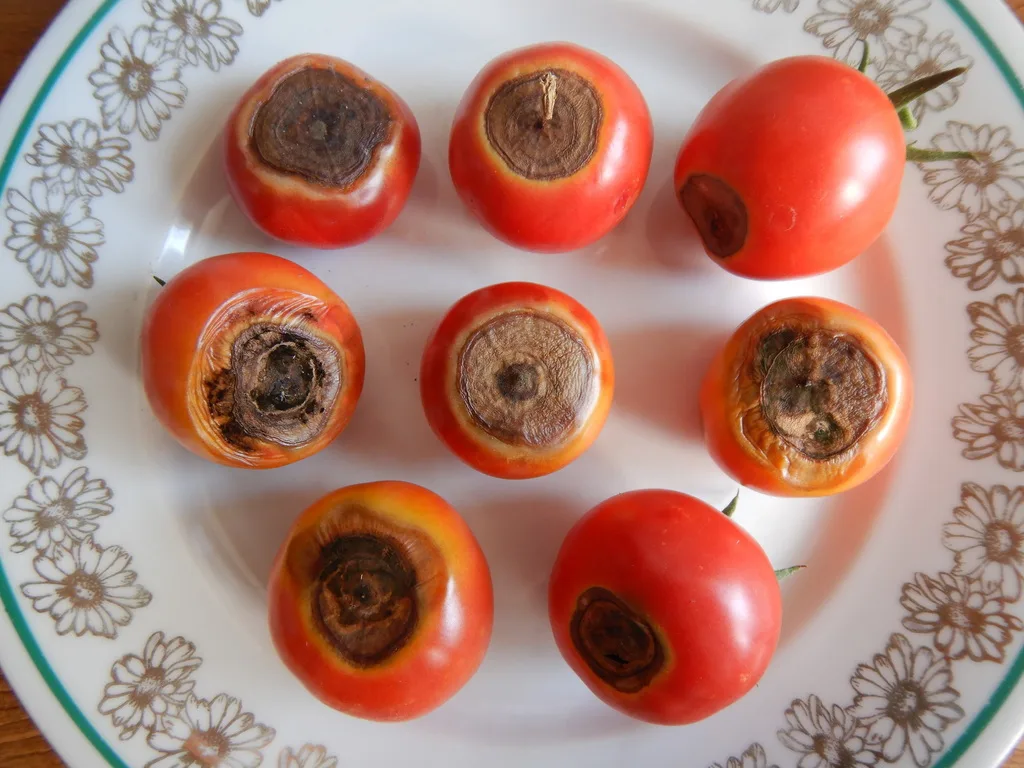
Early Blight
Brown to black spots on the oldest leaves near the ground, growing into patches with dark rings inside them like a dartboard or a tree ring. Early blight spots are large and ringed, septoria spots stay small with grey centres and pinprick black dots, and late blight makes big greasy grey-green blotches with no rings at all.
Disease checklist
Four things to look for. If most of them match what you are holding, you are in the right place.
What gets rid of it
Gentlest option first. For most backyard cases the first one is enough, so try these in order and stop as soon as it works. If you do spray something, the product label tells you how — please read the notice further down.
1Mulch the soil at planting
Lay straw or shredded leaves over the bed before the plants get big so rain cannot splash spores from the soil onto the bottom leaves.
straw mulch for garden bedsTry this first2Stake and strip the lower leaves
Trellis the plants and remove the bottom 12 inches of foliage so air moves through and wet leaves dry quickly.
heavy duty tomato cages3Water at the soil, not overhead
Run a soaker hose or drip line in the morning and keep the foliage dry.
soaker hose 50 ft4Protectant fungicide before spots spread
Copper or chlorothalonil applied on a preventive schedule and renewed after rain, following the product label for rate and interval.
chlorothalonil garden fungicide concentrate5Two year rotation and autumn cleanup
Pull and bin the plants in fall and keep tomatoes, potatoes, peppers and eggplant out of that bed for two seasons.
6Buy resistant varieties
Look for EB or early blight tolerance in the catalogue listing, such as Mountain Magic or Defiant.
early blight resistant tomato seeds
As an Amazon Associate, Story Thyme Farms earns from qualifying purchases, at no cost to you. It never changes what we recommend.
Which plants get early blight
Every plant we cover that gets early blight, grouped by type — tap any one to open its page. A note beside a plant came from that plant’s own entry, because the same disease can be a minor nuisance on one plant and a serious problem on another. Plenty of plants we do not cover get it too.
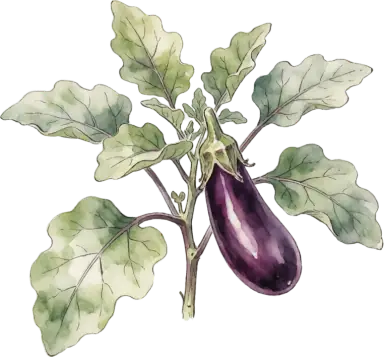
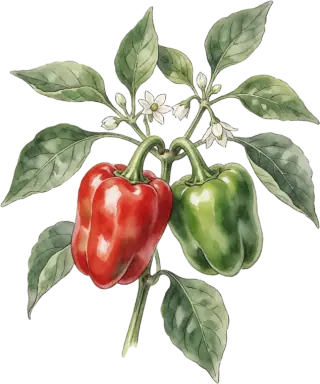
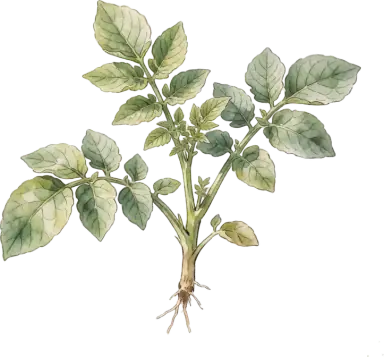
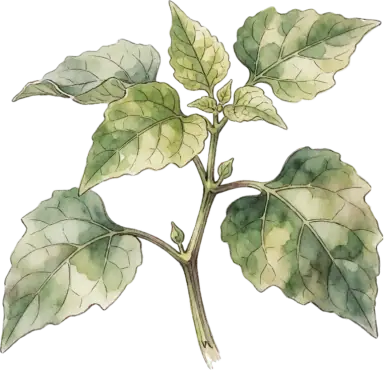
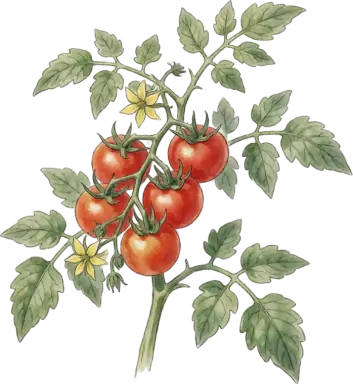
Plant families hit hardest
Related plants often share the same problems, so if one plant in a family has it, check the others. The largest group here is Solanaceae, with 5 of the 5 affected plants.
- Solanaceae5 plants
When to treat
Act at the first spotted bottom leaf, usually mid to late June in Missouri; sprays only protect leaves that are still clean, so nothing you apply will clear a leaf that is already covered.
Timing only — the label is the law
This page tells you when to watch for early blight and when treating is worth considering. It is not a recommendation to apply any particular product. Read and follow the product label before you spray — under federal law the label is the legal instruction, and using a pesticide against it is illegal.
- Check the pre-harvest interval. Every product that’s cleared for an edible crop sets a minimum number of days between spraying and picking. Find it on the label before you spray anything you intend to eat.
- Check the re-entry interval before you or anyone else works in the treated area again, and use the protective equipment the label names.
- Confirm the product is registered for your crop in your state. This page groups many different crops together, and a product legal on one of them is not legal on all of them — state registrations differ too. Your state pesticide agency or local extension office can confirm both.
- Rates and mixing instructions come from the label, never from us. We don’t publish them because they differ by product and formulation.
Other problems on the same plants
If a plant gets early blight, these are the problems it most often gets as well, so they are worth checking for while you are out there. They tend to appear together; one does not cause another.