The illustrated growing guide

Beach Plum

Prunus maritima

Family Rosaceae

Est. zones 3-8

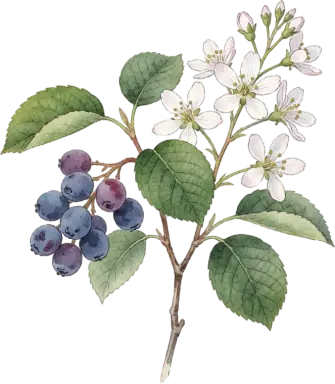
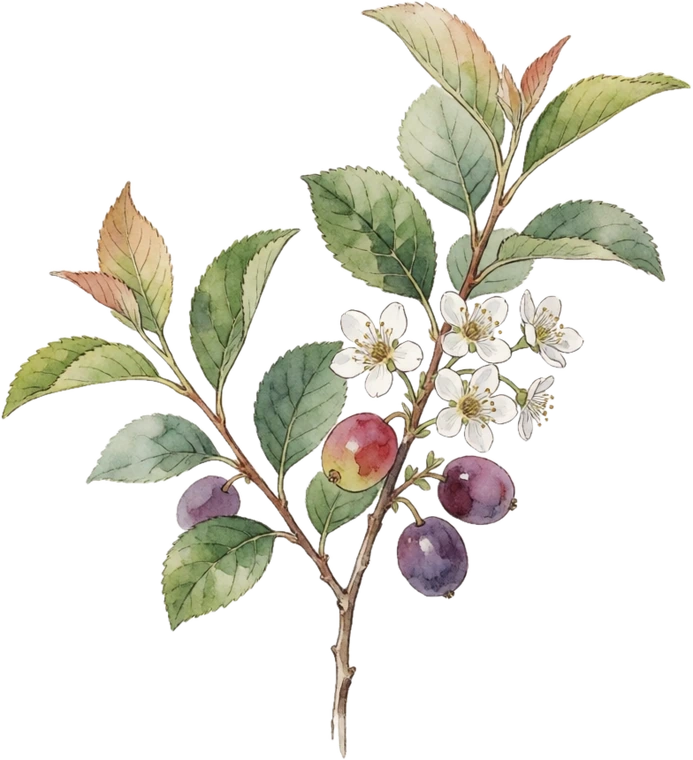
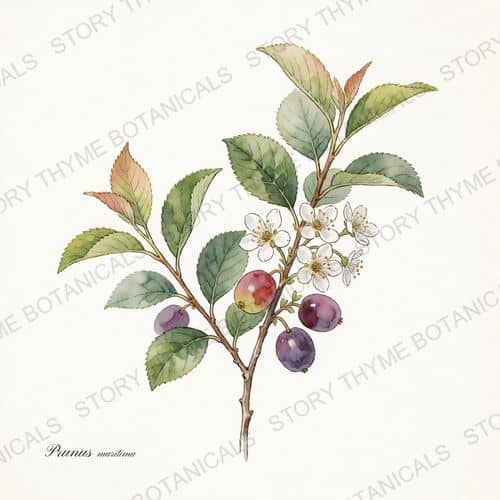
Botanical illustration of Beach Plum
Shrub · Prunus maritima

The salt-tolerant native plum of Atlantic dunes — thrives in pure sand and coastal wind where nothing else fruits, and makes a jelly people drive for. Tough, suckering, pollinator-friendly, and a genuine sand-stabilizer. Plant two seedlings for cross-pollination.

Shrub · NativeFull SunDrought-tolerant · low waterModerate growthNative to North AmericaExcellent edibleSalt-tolerantAttracts beesNeeds a pollination partner

Where to buy the plant — 1 nursery

Japanese Cherry — a print from the Flowering Trees collection

From the print shop

The closest print we make

We don’t print Prunus maritima. The closest we have is Prunus serrulata (“Japanese Cherry”) in the Flowering Trees collection — the same genus, Prunus, not the same species.

16 designsfrom $21.99white or black groundmatte poster, unframed

Shop Flowering Trees botanical prints →

I

Overview

Will beach plum suit your garden, and what goes wrong.

Will it fruit where you are?

Enter your ZIP — we look up your USDA hardiness zone (2023 map) and check it against what beach plum actually needs.

Hardy inZones 3-8
PollinationPartner needed

Beach Plum at a glance

HardinessUSDA 3–8
Mature size4-8 ft, suckering thicket
PollinationTwo plants set far better fruit
Chill requirementNot yet established
Bloom seasonSpring (white clouds, bee-covered)
Harvest seasonLate Summer: small tart purple plums — the legendary beach-plum jelly
Growth rateModerate

Common beach plum problems

  • Plum Curculio
  • Aphids (lighter than orchard plums)
  • Brown Rot
  • Black Knot (prune out)
  • Poor pollination → low fruit set (plant a partner)

II

Growing

Light, water, soil, propagation and the season’s jobs.

How to grow beach plum: light, water & soil

LightFull Sun
WaterLow — salt- and drought-proof coastal native
SoilSandy, poor, sharp drainage · pH 5.5 - 7.5
FertilizerNone — lean soil is better
PruningLate Winter — Renewal-prune old canes; let it thicket for wildlife and dune-holding.
Spacing6-8 ft

How to plant & propagate beach plum

PropagateGrafted, or from cuttings/layering (seed won't come true)

When to spray beach plum

Dormant season. Dormant oil optional.

Growing season. Usually grown low-spray; accept some loss.

The beach plum growing playbook

Field-tested instructions for every job beach plum asks of you, compiled from university extension guidance — in the order the season brings them.

Feeding

Nitrogen as the leaves emerge, split on sandy ground

As foliage emerges in spring, give a young transplant 0.6-1.0 oz of actual nitrogen per plant and an established plant 0.1-0.2 lb of nitrogen spread under the drip line. On sandy soil, split that into two or three applications 2-3 weeks apart rather than one dose, and set the rate from a soil test. You are aiming for at least 1.5 feet of shoot growth for the year. Beach plum fruits on the current season's shoots, so the nitrogen that drives spring shoot extension is what builds next year's crop - and on the sand this plant is native to, a single large dose leaches past the roots before it is taken up.

Fall potassium and magnesium after the fruit is off

After harvest, apply potassium magnesium sulfate (0-0-22-11) at the rate your soil test calls for. Hold the spring nitrogen for green tip - fall nitrogen is not the goal here. Fruiting pulls potassium out of the plant, and the sandy, low-exchange soils beach plum favors hold little of it; potassium magnesium sulfate replaces both potassium and magnesium without pushing the late soft growth that nitrogen would.

Pruning

Dormant prune: take out about a quarter of the fruiting wood

In late winter to early spring, while the plant is fully dormant and before buds break, remove 25-30% of the fruiting wood along with crossed, shaded, cracked and downward-pointing branches. Take out low limbs that would let fruit touch the ground, and keep an open center so light reaches into the canopy. Beach plum bears its fruit toward the base of the previous season's shoots and rarely forms long-lived spurs, so removing a quarter to a third of the fruiting wood does two things at once: it decreases the crop load and it stimulates the new shoot growth that will carry next year's fruit, which is what evens out a biennial swing into a steadier yield.

Black knot: cut out every gall while the wood is frozen

While the plant is dormant and temperatures are still below freezing, cut out each black, hardened swelling at least 4 inches below the gall, back into clean wood. Burn, bury or otherwise remove the prunings from the planting instead of leaving them on the ground. The black knot fungus grows inside the branch well past the visible gall, so a short cut leaves live fungus behind, and two-year-old galls release wind-blown spores every wet spell in spring - including from cut branches lying under the plant.

Pruning in freezing weather matters: cuts made in mild, wet conditions can be infected by the spores you just released.

What to watch for

Strip the mummified plums before bud break

Before buds break in early spring, walk the plants and pull off every shriveled, mummified fruit still hanging in the canopy, and rake up dropped fruit from underneath. Also remove dead twigs and branches carrying cankers. Brown rot overwinters in mummified fruit and infected wood, and those mummies are the spore source that infects the flowers a few weeks later - removing them cuts the season's starting inoculum before it can do anything.

Spraying

Plum curculio: spray once the last petals are down

Wait until bloom is completely finished, then spray carbaryl or phosmet for plum curculio, and repeat about 10 days later. In a cool spring a third application may be needed. Surround kaolin clay, reapplied weekly into early July, is the non-synthetic option. Female curculios move in after bloom and cut a crescent-shaped slit in each young fruit to lay an egg, and the grub feeding inside makes the fruit drop in early summer - the beetles are exposed on the fruit surface only in that window between petal fall and mid-July.

Never apply an insecticide while any bloom remains - carbaryl and phosmet are highly toxic to the bees and native flies this self-sterile plant depends on for pollination. Follow the label's pre-harvest interval for plums.

Brown rot: protect the fruit as it colors up

Begin fungicide applications 2-3 weeks before you expect to pick, as the fruit starts to color and soften, and repeat on the label's interval until harvest. Captan, myclobutanil, propiconazole or sulfur are the options labeled for fruit rot on stone fruit. Ripening fruit is sugary and thin-skinned, and brown rot infects during warm wet spells - UMN notes a blossom needs only about 3 hours of wetness at 70F to be infected, and ripening fruit is likewise taken in short warm wet periods - so a single warm rain close to picking can turn a crop into mummies.

Chlorothalonil is labeled on stone fruit for blossom blight only, not for fruit rot - do not use it here. Check the pre-harvest interval on your product's label and stop spraying that many days before you pick; the label is the law.

Harvesting

Pick over the plants repeatedly from late summer on

Expect fruit from the third year after planting, starting in late summer and running as late as October. Pick over the planting several times rather than once - seedling beach plums are genetically diverse and ripen on their own schedules, so fruit on neighboring plants can be weeks apart. Pick ripe fruit promptly rather than letting it hang. Most beach plum plantings are seedlings, not clones, so there is no single ripening date to work from; and overripe fruit left on the plant is where brown rot builds the mummies that infect next spring's flowers.

III

The year

What beach plum asks for, month by month.

The beach plum year, month by month

MonthJanFebMarAprMayJunJulAugSepOctNovDec
Bloom
Prune
Harvest

What each band means

  • Bloomflowers open — pollinators working, frost on blossoms is the danger.
  • Pruneshape it now — cuts heal cleanly and structure is visible.
  • Harvestpicking time — check ripeness every few days.

The beach plum year as text

  • Jan quiet month
  • Feb pruning
  • Mar bloom, pruning
  • Apr bloom
  • May bloom
  • Jun quiet month
  • Jul quiet month
  • Aug harvest
  • Sep quiet month
  • Oct quiet month
  • Nov quiet month
  • Dec quiet month

These are the species' typical months — expect them a few weeks earlier in warm zones and later in cold ones. Watch the plant, not just the calendar.

IV

Ecology & uses

What it does for the garden, and what it is grown for.

Beach Plum in the garden system

  • Shrub layer shrub
  • Nectary/insectary
  • Keystone: Keystone — hosts 340-450+ caterpillar species
AttractsBees
HabitatCoastal
MoistureUpland / dry
SaltSalt-tolerant — fine near roads and coasts
DeerBrowsed — protect young plants
OriginNative to North America

What beach plum is grown for

! Some parts toxic — see notesPits toxic as all Prunus

UseJelly
UseCoastal/sandy sites
UseNative thickets
Edible value4/5

Harvesting & storing beach plum

Late Summer: small tart purple plums — the legendary beach-plum jelly.

Edibility, identification, and traditional-use notes here are general reference — not medical or veterinary advice, and not a claim that any plant treats or prevents anything. Medicinal ratings record how strongly a plant features in herbal tradition, nothing more. Never eat or dose a plant you have not positively identified. More on how to use this library.

V

Cultivars

Named varieties of beach plum, ruled as a catalogue.

Best beach plum varieties & cultivars

2 on file

Named varieties of beach plum differ in winter-chill needs, ripening time, hardiness, and whether they set fruit on their own — pick one that fits your climate.

Premier

Needs a pollinizer
RipensAugustZones4-9SizeSemi-dwarf, about 12 ft at maturity

Red fruit with strawberry, plum and apricot notes — Grafted American cultivar on St. Julian A rootstock; blooms early and ripens in August. Tolerates salt spray and prefers sandy soil. Needs a second beach plum such as Jersey nearby to set fruit. Not recommended for the Pacific Northwest, where summers are too short and cool to ripen it.

Where to buy ‘Premierverified

Story Thyme Farms may earn a small commission from these links, at no cost to you — it never changes what we recommend.

Jersey

Needs a pollinizer
RipensAugustZones4-9SizeSemi-dwarf, about 12 ft at maturity

Red fruit with strawberry, plum and apricot notes — Grafted American cultivar on St. Julian A rootstock, ripening in August. Tolerates salt spray and prefers sandy soil. Needs a pollinizer such as Premier. Not recommended for the Pacific Northwest, where the growing season is too short and cool.

Where to buy ‘Jersey

Story Thyme Farms may earn a small commission from these links, at no cost to you — it never changes what we recommend.

VI

Sources & plant ID

Where the care distinctions come from, and how the plant is filed.

Research basis

Sources behind this profile

No extension citations are attached to beach plumyet. The care figures below come from the library's own catalogue rather than a traced primary source.

Plant ID

BinomialPrunus maritima
FamilyRosaceae
TypeShrub · Perennial
USDA symbolPRMA2
OriginNative to North America
Invasive riskLow

VII

Where to buy

Third-party nurseries — not Story Thyme Farms.

Third-party nurseries, not Story Thyme Farms. Prices are theirs.

Story Thyme Farms may earn a small commission from these links, at no cost to you — it never changes what we recommend.

Beach Plum needs a pollination partner — plant two genetically distinct plants (two different cultivars, or a cultivar plus a seedling).

VIII

Questions

Beach Plum questions, answered straight.

Why isn't my beach plum fruiting?

Most often: it has no genetically distinct partner nearby. Beach Plum is only partly self-fertile, so a lone plant sets a light crop at best — two plants set far better fruit. Plant a second, unrelated one nearby; two different cultivars, or a cultivar plus a seedling, is the classic pairing.

Is beach plum safe for kids and pets?

With care. Pits toxic as all Prunus Site it accordingly if children or pets roam the garden. This is general reference, not medical or veterinary advice — call a vet or poison control if something has actually been eaten.

When do you harvest beach plum?

Late Summer: small tart purple plums — the legendary beach-plum jelly.

How do you propagate beach plum?

Grafted, or from cuttings/layering (seed won't come true).

IX

Elsewhere

Where beach plum sits in the library.