Dandelion (Cultivated)

Taraxacum officinale

Family Asteraceae

PerennialNative & introducedZones 3-9

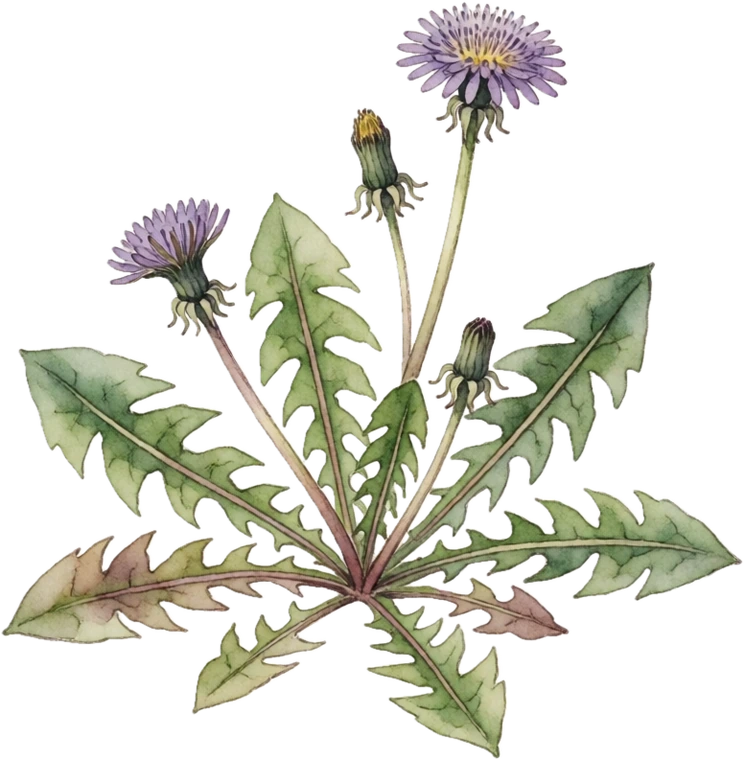
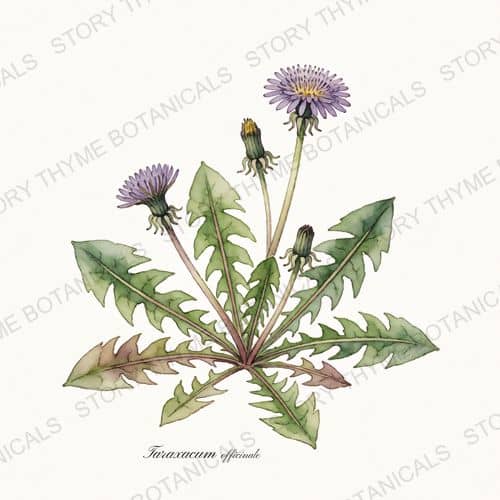
Botanical illustration of Dandelion (Cultivated)

Yes, that dandelion — cultivated, it's a different animal. Bred selections push out big, tender leaves with more vitamin A than spinach, the flowers still make the old country wine, and the roasted roots brew a chicory-style coffee. One plant, an entire pantry of traditions.

It matters beyond the kitchen: those early gold flowers are among the first meals for bees emerging in spring, and this easy perennial blooms in nearly every month something can. Give a corner to the plant everyone else fights, and harvest instead of weeding.

Where to buy dandelion (cultivated) — 3 nurseries compared

  • Full Sun to Part Shade
  • Moderate water
  • Fast growth
  • Excellent edible
  • Attracts bees
Dandelion (Cultivated) — a print from the Plant Library collection

From the print shop

Growing dandelion (cultivated)? Hang it.

Our Plant Library collection carries dandelion (cultivated) — Taraxacum officinale, print Nº 150, “Dandelion (Cultivated).”

526 designsfrom $12.99white or black backgroundmatte poster, unframed

Shop Plant Library botanical prints →

✓

Will it fruit where you are?

Enter your ZIP — we look up your USDA hardiness zone (2023 map) and check it against what dandelion (cultivated) actually needs.

Hardy inZones 3-9

Dandelion (Cultivated) · Common problems

Common dandelion (cultivated) problems

Pests, diseases and weather to keep an eye on.

Pests

1 problem on file

  • Almost none

Diseases

1 problem on file

  • Almost none

Dandelion (Cultivated) · Growing & propagation

Growing dandelion (cultivated)

Light, water, soil, propagation and the season’s jobs.
What it needsThe details
Light
Full Sun to Part Shade
Water
Moderate
Soil
Any · pH 6.0 - 7.5
Fertilizer
None
Pruning
None

Yes, THE lawn weed — but cultivated types are bred for big, tender, less-bitter leaves and it's a genuine crop: spring greens, flower wine, roasted-root coffee, and vital early bee forage. Blanch leaves (cover to exclude light) for milder salad.

Spacing
6-8 in

How to plant & propagate dandelion (cultivated)

Propagate
Division or seed

Dandelion (Cultivated) · Seasonal care & spray guidance

The dandelion (cultivated) growing playbook

Field-tested instructions for every job dandelion (cultivated) asks of you, compiled from university extension guidance — in the order the season brings them.

As growth begins

early spring

2 jobs
SowingIn spring

Sow dandelion on the surface in early spring

Starting about 4-6 weeks before your last frost, scatter seed on the soil surface or barely cover it, and keep the bed moist. Expect germination in about ten days once soil reaches 55F. Thin or set plants 6 to 9 inches apart in rows 12 inches apart, and count on 85 to 95 days to a full-sized plant. Dandelion seed germinates from the surface or under only the barest cover, so a deep sowing is the usual reason a bed comes up thin. Give it moisture and about 55F soil and it runs in roughly ten days.

HarvestingIn spring

Dig roots in early spring for roasting

Lift the taproots in early spring, when they eat much like a turnip and roast into a chicory-like coffee substitute. Dig when the soil is moist, and expect to go down some way - the root usually runs 6 to 12 inches and can reach 3 feet. The root is at its best dug in early spring, and its depth is exactly what lets the plant shrug off drought and competition the rest of the year.

While it flowers

at bloom

1 job
HarvestingAt bloom

Pick blossoms in full bloom, and leave some for the bees

Pick fully open blossoms early in the day while they are still full of nectar, and use them the same day for fritters, wine, or jam. Leave a good share of the patch unpicked. Cut blossoms close up quickly once off the plant, so they do not hold; and the flowers are sweetest early in the season. The early bloom is also a first nectar and pollen source for honey bees at a point when little else is open.

Just after bloom

as the fruit sets

1 job
PruningAt petal fall

Take off spent flower heads before they turn to puffballs

As soon as the yellow fades and before the head opens into a white puffball, snap or cut the flower stalks off at the base. Do this every few days through the bloom flush, and bag the heads rather than composting them loosely. A single plant can throw up to 20,000 viable seeds, each on a feathery pappus that carries it well beyond your bed - and if you ever want to move the patch, note that the plant also regrows from broken pieces of taproot, so a half-dug root is not a removed one.

Through summer

the growing season

1 job
SowingIn summer

Sow a late-summer succession for autumn greens

Dandelion can be sown any time from early spring through late summer. Put in a second surface sowing in late summer, on the same 6 to 9 inch spacing, to bring fresh rosettes on as the spring planting turns bitter and goes to flower. Leaf quality is tied to the plant's flowering state rather than to the calendar, so a younger cohort of plants is the only reliable way to keep tender leaves coming through autumn.

Harvest time

as it ripens, and picking

1 job
HarvestingAt harvest

Cut leaves before the first flower buds show

Take the leaves while they are young and tender, and get the main cut in before the first flower buds appear in the rosette. Older leaves are still worth having, but treat them as a cooking green rather than a salad green. The leaves are at their most flavorful in early spring before the plant sets its first buds; once it shifts energy into flowering, the leaves turn markedly more bitter.

Dandelion (Cultivated) · Calculators & field guides

A little help in the garden.

Calculators for the figures. Field guides for the hands-on work.

Dandelion (Cultivated) · Yearly calendar

The dandelion (cultivated) year, month by month

What dandelion (cultivated) asks for, month by month.

Jan

No calendar activity is listed for this month.

MonthJanFebMarAprMayJunJulAugSepOctNovDec
Bloom

BloomMarch to April

What each band means

  • Bloom — flowers open — pollinators working, frost on blossoms is the danger.

These are the species' typical months — expect them a few weeks earlier in warm zones and later in cold ones. Watch the plant, not just the calendar.

Dandelion (Cultivated) · Ecology & uses

Ecology & uses

What it does for the garden, and what it is grown for.
Botanical illustration of Dandelion (Cultivated)

Taraxacum officinale

Dandelion (Cultivated) in the garden system

  • Herbaceous layer perennial
  • Dynamic accumulator
  • Nectary/insectary
Attracts
Bees
Moisture
Facultative / average
Deer
Browsed

Protect young plants

Origin
Introduced

What dandelion (cultivated) is grown for

✓ Commonly eatenentirely edible and a traditional bitter tonic

Use
Spring greens
Use
Bee forage
Use
Root coffee
Use
Wine
Edible value
4/5
Traditional use rating
3/5 in herbal tradition

Harvesting & storing dandelion (cultivated)

Leaves (blanch to reduce bitterness), flowers (wine, fritters), roots (roasted 'coffee', chicory-like) — the whole plant is edible and medicinal.

Edibility, identification, and traditional-use notes here are general reference — not medical or veterinary advice, and not a claim that any plant treats or prevents anything. Medicinal ratings record how strongly a plant features in herbal tradition, nothing more. Never eat or dose a plant you have not positively identified. More on how to use this library.

Dandelion (Cultivated) · Varieties & cultivars

Best dandelion (cultivated) varieties & cultivars

There are far more than these — the ones below are the named varieties of dandelion (cultivated) people actually plant.

Named varieties of dandelion (cultivated) differ in winter-chill needs, ripening time, hardiness, and whether they set fruit on their own — pick one that fits your climate.

2 varieties

Vert de Montmagny

Zones
3-9
Size
Large-leaved, vigorous

Slightly bitter, best cooked — True Taraxacum officinale, not the chicory sold as Italian dandelion. Bred in 1857 by a Montmagny farmer for the Paris markets and listed in the Slow Food Ark of Taste. Carries a more developed white core and deeper green leaves than the wild type.

Where to buy ‘Vert de Montmagny’

Story Thyme Farms may earn a small commission from these links, at no cost to you — it never changes what we recommend.

Sources & plant identity

Know what you’re growing.
See where the knowledge comes from.

Botanical illustration of Dandelion (Cultivated)

Dandelion (Cultivated)

Taraxacum officinale

The plant, at a glance.

Botanical name
Taraxacum officinale
Plant family
Asteraceae
Growth habit
Perennial
Origin
Introduced
USDA plant symbol
TAOF
Invasive risk
Low
Every garden is different.

Hardiness, size and timing vary with your cultivar, soil and climate.

Rooted in research.

University extension research, brought together with hands-on growing experience at Story Thyme Farms.

Explore Dandelion (Cultivated)’s sources3 reference links
for Dandelion (Cultivated)

Research from these sources

Publisher marks identify sources, not sponsorship or endorsement.

Questions

Dandelion (Cultivated) questions, answered straight.

Is dandelion (cultivated) safe for kids and pets?

Dandelion (Cultivated) is commonly eaten and isn't considered toxic, but "commonly eaten" isn't a guarantee for any particular person or animal — allergies, quantity, and which part you eat all matter. One caveat on this one: entirely edible and a traditional bitter tonic. Never eat a plant you haven't positively identified, and check with a vet before letting pets or livestock graze anything new.

When do you harvest dandelion (cultivated)?

Leaves (blanch to reduce bitterness), flowers (wine, fritters), roots (roasted 'coffee', chicory-like) — the whole plant is edible and medicinal.

How do you propagate dandelion (cultivated)?

Division or seed.

Elsewhere

Where dandelion (cultivated) sits in the library.

Where dandelion (cultivated) sits in the library

Grows in the same world