The illustrated growing guide

American Linden (Basswood)

Tilia americana

Family Malvaceae

Est. zones 3-8

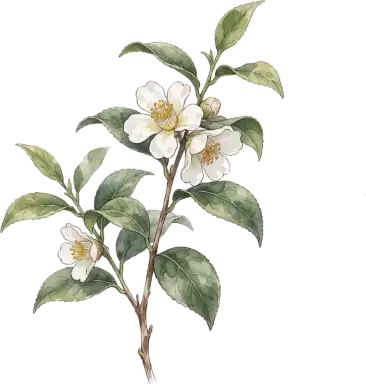
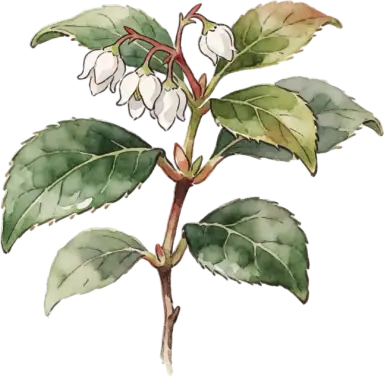
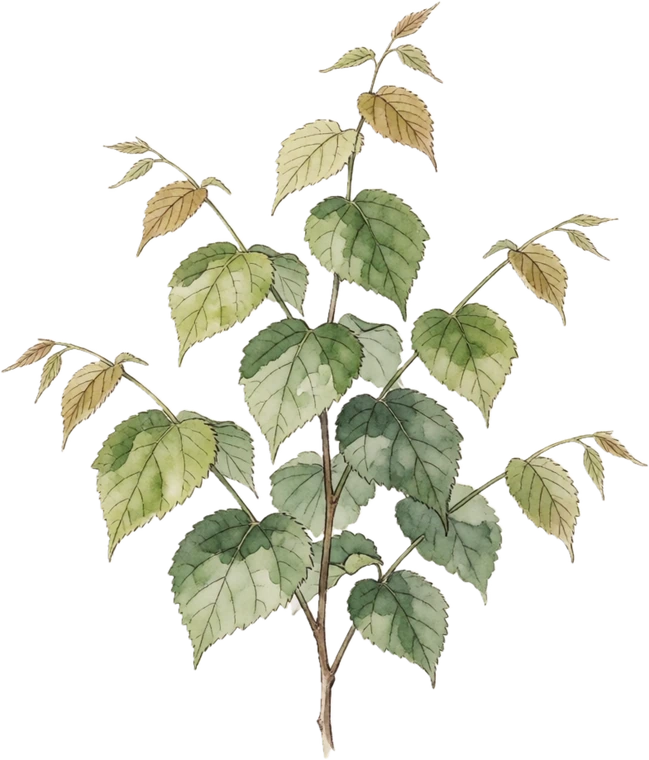
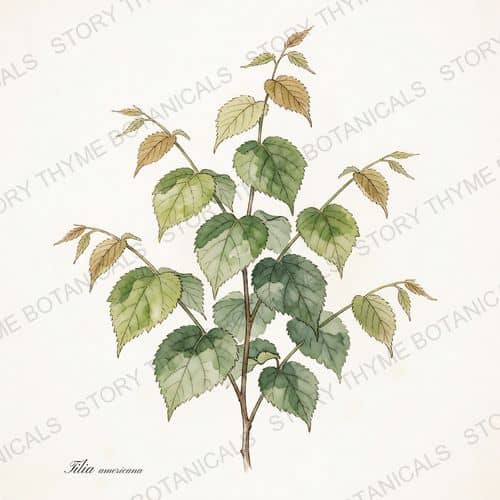
Botanical illustration of American Linden (Basswood)
Tree · Tilia americana

One June linden in bloom feeds every honeybee for a mile and perfumes the block — then hands you the most beloved bedtime tea in Europe from the same flowers. Shade tree, bee pasture, tea crop, salad leaves: the whole food-forest canopy argument in one trunk.

Tree · NativeFull Sun to Part ShadeModerate waterModerate-Fast growthNative to North AmericaAttracts bees

Where to buy the plant — 1 nursery

Linden — a print from the Tea Herbs collection

From the print shop

The closest print we make

We don’t print Tilia americana. The closest we have is Tilia cordata (“Linden”) in the Tea Herbs collection — the same genus, Tilia, not the same species.

16 designsfrom $21.99white or black groundmatte poster, unframed

Shop Tea Herbs botanical prints →

I

Overview

Will american linden (basswood) suit your garden, and what goes wrong.

Will it fruit where you are?

Enter your ZIP — we look up your USDA hardiness zone (2023 map) and check it against what american linden (basswood) actually needs.

Hardy inZones 3-8

American Linden (Basswood) at a glance

HardinessUSDA 3–8
Mature size60-80 ft
PollinationTHE BEE TREE — a blooming linden hums so loud you hear it before you see it; premium honey
Chill requirementNot yet established
Bloom seasonJUNE (two weeks of honey-scented bloom)
Harvest seasonFLOWERS (with bract): the classic calming linden tea of Europe; young spring leaves are salad-mild
Growth rateModerate-Fast

Common american linden (basswood) problems

II

Growing

Light, water, soil, propagation and the season’s jobs.

How to grow american linden (basswood): light, water & soil

LightFull Sun to Part Shade
WaterModerate
SoilDeep, moist, fertile · pH 6.0 - 7.5
FertilizerNone
PruningWinter — Train one leader young; little else.
Spacing40 ft

How to plant & propagate american linden (basswood)

PropagateSeed (stratify), cuttings, or layering

The american linden (basswood) growing playbook

Field-tested instructions for every job american linden (basswood) asks of you, compiled from university extension guidance — in the order the season brings them.

Watering

Water deeply in heat to head off leaf scorch

Through hot dry spells, water slowly and deeply rather than often and shallowly, and keep a ring of organic mulch over the root zone without piling it against the trunk. Check the trunk for string trimmer wounds or cankers while you are there. Linden scorches when water cannot reach the leaf margin fast enough to keep up with transpiration, so the edges and tips brown and die back. Anything that restricts flow, including trunk injury, produces the same symptom.

No pesticide treats leaf scorch. Avoid over-fertilizing and keep herbicides and drift away from lindens, since both cause the same margin burn.

Pruning

Prune in the late dormant season, before buds swell

While the tree is still leafless, take out dead, broken and crossing branches and train young trees to a single central leader. Do not cut back the leader itself. Time it to your own site rather than the calendar: wait for the last hard freeze to pass but finish before the buds swell, which is late winter in the South and can be as late as early spring in the far North. Dormant wounds sit open only briefly before growth resumes and closes them, and the bare branch structure lets you see what to cut without leaves obscuring it. Warm-season cuts stay open longer and invite infection.

Mature lindens rarely need more than deadwood removal. Leave large limbs and anything near power lines to a certified arborist.

Rub off the root sprouts at the base

Walk the trunk through the growing season and cut or rub off the shoots coming up from the roots and low on the trunk while they are still soft and green. American linden is prone to producing root sprouts at the base of the tree, and left alone they thicken into a competing shrubby skirt that steals growth from the leader.

What to watch for

Japanese beetle: start looking as soon as bloom is over

Once the flowers are done, check the sunlit top of the canopy for beetles and lace-like skeletonized leaves. Hand-pick what you can reach into soapy water, early, before the feeding damage draws in more beetles. Linden is one of the Japanese beetle's preferred hosts, and the beetles start emerging from the ground in late June or early July. Once they are present in large numbers they are much harder to manage.

Do not hang Japanese beetle traps. They are not an effective way to protect plants in a home garden and tend to draw more beetles in.

Spraying

Linden aphid: dormant oil on a leafless tree

If last summer brought heavy honeydew, spray horticultural mineral oil as a dormant or delayed-dormant application while the tree is still bare, covering twigs and bud crevices thoroughly. Delayed-dormant means just as buds begin to swell but well before any flowers appear, so read the tree rather than the calendar. Try dislodging aphids with a water spray first — the source lists that as a non-chemical option before any pesticide. The oil smothers overwintering aphids and eggs before the colonies build on the leaf undersides, which is the only cheap moment to knock the population down.

Never apply oil or any insecticide to a blooming linden, as linden is very attractive to bees. Dormant timing exists precisely to stay clear of bloom. Follow the product label. If you harvest this tree's flowers for tea, use only a product whose label covers that use.

Japanese beetle: chlorantraniliprole only after bloom, and only on young trees

If beetles are stripping a tree planted in the last two or three years, chlorantraniliprole gives two to four weeks of protection and is low risk to bees. Wait until flowering is completely finished. Large trees generally need a professional applicator. If you harvest this tree's flowers for tea, do not treat it unless the product label covers that use — see safety notes. Defoliation of a well established, healthy linden is usually not fatal, so the spray is worth it only where the tree is young or already in poor health and cannot afford to lose its canopy.

LABEL: most chlorantraniliprole products for landscape trees are labeled for ornamentals only and carry no pre-harvest interval for linden flowers, because tea is not a use the label anticipates. If you pick this tree for tea, treat it as a food crop: use only a product whose label permits it, or do not spray and accept the defoliation. POLLINATORS: never apply any insecticide to a linden in flower — linden is exceptionally attractive to bees. Wait until bloom is completely finished. Avoid neonicotinoids such as imidacloprid and dinotefuran on linden; they are highly toxic to pollinators and linden's heavy bee traffic makes the exposure worse. The cited source states only the general rule for neonicotinoid soil applications: do not apply to soil within 4 to 5 feet of pollinator-attractive plants.

Harvesting

Pick the flowers with their bract at full bloom

When the drooping clusters of pale yellow flowers are open and heavily fragrant, pick the cluster together with the pale strap-shaped bract above it. Dry them in a single layer in a shaded, well-ventilated spot, then store airtight. The fragrance is the volatile oil that makes the tea, and it is at its peak while the flowers are freshly open. The bract dries with the flower and is part of the traditional tea.

Extension notes that overuse of linden flower tea has been associated with heart damage. Treat it as an occasional tea, not a daily tonic.

III

The year

What american linden (basswood) asks for, month by month.

The american linden (basswood) year, month by month

MonthJanFebMarAprMayJunJulAugSepOctNovDec
Bloom
Prune
Harvest

What each band means

  • Bloomflowers open — pollinators working, frost on blossoms is the danger.
  • Pruneshape it now — cuts heal cleanly and structure is visible.
  • Harvestpicking time — check ripeness every few days.

The american linden (basswood) year as text

  • Jan pruning
  • Feb pruning
  • Mar harvest
  • Apr harvest
  • May harvest
  • Jun bloom
  • Jul quiet month
  • Aug quiet month
  • Sep quiet month
  • Oct quiet month
  • Nov quiet month
  • Dec pruning

These are the species' typical months — expect them a few weeks earlier in warm zones and later in cold ones. Watch the plant, not just the calendar.

IV

Ecology & uses

What it does for the garden, and what it is grown for.

American Linden (Basswood) in the garden system

  • Canopy layer tree
  • Nectary/insectary
  • Keystone: Keystone — hosts 150+ caterpillar species
AttractsBees
HabitatWoodland
MoistureFacultative / average
DeerBrowsed — protect young plants
OriginNative to North America

What american linden (basswood) is grown for

✓ Commonly eaten

UseLinden-blossom tea
UseHoney flow
UseLegacy shade
Edible value3/5
Traditional use rating3/5 in herbal tradition

Harvesting & storing american linden (basswood)

FLOWERS (with bract): the classic calming linden tea of Europe; young spring leaves are salad-mild.

Edibility, identification, and traditional-use notes here are general reference — not medical or veterinary advice, and not a claim that any plant treats or prevents anything. Medicinal ratings record how strongly a plant features in herbal tradition, nothing more. Never eat or dose a plant you have not positively identified. More on how to use this library.

V

Cultivars

Named varieties of american linden (basswood), ruled as a catalogue.

Best american linden (basswood) varieties & cultivars

11 on file

Named varieties of american linden (basswood) differ in winter-chill needs, ripening time, hardiness, and whether they set fruit on their own — pick one that fits your climate.

June Bride

Ripensearly summerZones4-7Size60-70 ft

A littleleaf linden, Tilia cordata, rather than the American species. Littleleaf linden also produces few root sprouts, so there is less suckering to clean up at the base.

Where to buy ‘June Bride

Story Thyme Farms may earn a small commission from these links, at no cost to you — it never changes what we recommend.

Redmond

Ripensearly summerZones3-6Size60-80 ft

Tilia americana selection, long used as a street tree.

Where to buy ‘Redmond

Story Thyme Farms may earn a small commission from these links, at no cost to you — it never changes what we recommend.

Boulevard

Ripensearly summerZones3-6Size60-80 ft

Tilia americana selection.

Where to buy ‘Boulevard

Story Thyme Farms may earn a small commission from these links, at no cost to you — it never changes what we recommend.

Lincoln

Ripensearly summerZones3-6Size60-80 ft

Tilia americana selection.

Where to buy ‘Lincoln

Story Thyme Farms may earn a small commission from these links, at no cost to you — it never changes what we recommend.

Douglas

Ripensearly summerZones3-6Size60-80 ft

Tilia americana selection.

Where to buy ‘Douglas

Story Thyme Farms may earn a small commission from these links, at no cost to you — it never changes what we recommend.

Greenspire

Ripensearly summerZones4-7Size60-70 ft

A littleleaf linden, Tilia cordata, the species behind the classic European tilleul tea. Like other littleleaf lindens it produces few root sprouts, so there is less suckering to clean up at the base.

Where to buy ‘Greenspireverified

Story Thyme Farms may earn a small commission from these links, at no cost to you — it never changes what we recommend.

Glenleven

Ripensearly summerZones4-7Size60-70 ft

A littleleaf linden, Tilia cordata.

Where to buy ‘Glenleven

Story Thyme Farms may earn a small commission from these links, at no cost to you — it never changes what we recommend.

Corinthian

Ripensearly summerZones4-7Size60-70 ft

A littleleaf linden, Tilia cordata.

Where to buy ‘Corinthian

Story Thyme Farms may earn a small commission from these links, at no cost to you — it never changes what we recommend.

Sterling

Ripensearly summerZones5-7DiseaseResistant to Japanese beetle and gypsy mothSize50-70 ft

A silver linden, Tilia tomentosa. Insect damage on silver linden is usually low because the hairy leaf undersides inhibit feeding.

Where to buy ‘Sterlingverified

Story Thyme Farms may earn a small commission from these links, at no cost to you — it never changes what we recommend.

Silver Shadow

Ripensearly summerZones5-7DiseaseDisease and Japanese beetle resistanceSize50-70 ft

A silver linden, Tilia tomentosa.

Where to buy ‘Silver Shadow

Story Thyme Farms may earn a small commission from these links, at no cost to you — it never changes what we recommend.

Green Mountain

Ripensearly summerZones5-7Size50-70 ft

A silver linden, Tilia tomentosa. Silver linden tolerates alkaline soil and wind.

Where to buy ‘Green Mountain

Story Thyme Farms may earn a small commission from these links, at no cost to you — it never changes what we recommend.

VI

Sources & plant ID

Where the care distinctions come from, and how the plant is filed.

Research basis

Sources behind this profile

No extension citations are attached to american linden (basswood)yet. The care figures below come from the library's own catalogue rather than a traced primary source.

Plant ID

BinomialTilia americana
FamilyMalvaceae
TypeTree · Perennial
USDA symbolTIAM
OriginNative to North America
Invasive riskLow

VII

Where to buy

Third-party nurseries — not Story Thyme Farms.

Third-party nurseries, not Story Thyme Farms. Prices are theirs.

Story Thyme Farms may earn a small commission from these links, at no cost to you — it never changes what we recommend.

VIII

Questions

American Linden (Basswood) questions, answered straight.

Is american linden (basswood) safe for kids and pets?

American Linden (Basswood) is commonly eaten and isn't considered toxic, but "commonly eaten" isn't a guarantee for any particular person or animal — allergies, quantity, and which part you eat all matter. Never eat a plant you haven't positively identified, and check with a vet before letting pets or livestock graze anything new.

When do you harvest american linden (basswood)?

FLOWERS (with bract): the classic calming linden tea of Europe; young spring leaves are salad-mild.

How do you propagate american linden (basswood)?

Seed (stratify), cuttings, or layering.

IX

Elsewhere

Where american linden (basswood) sits in the library.

Where american linden (basswood) sits in the library

Grows in the same world