Roselle (Tea Hibiscus)

Hibiscus sabdariffa

Family Malvaceae

AnnualZones 2-11

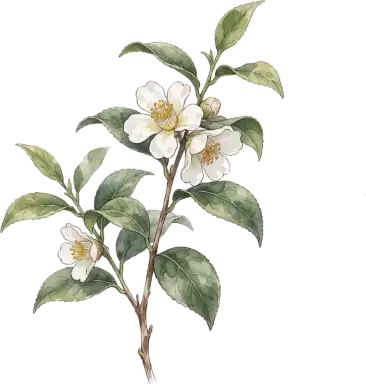
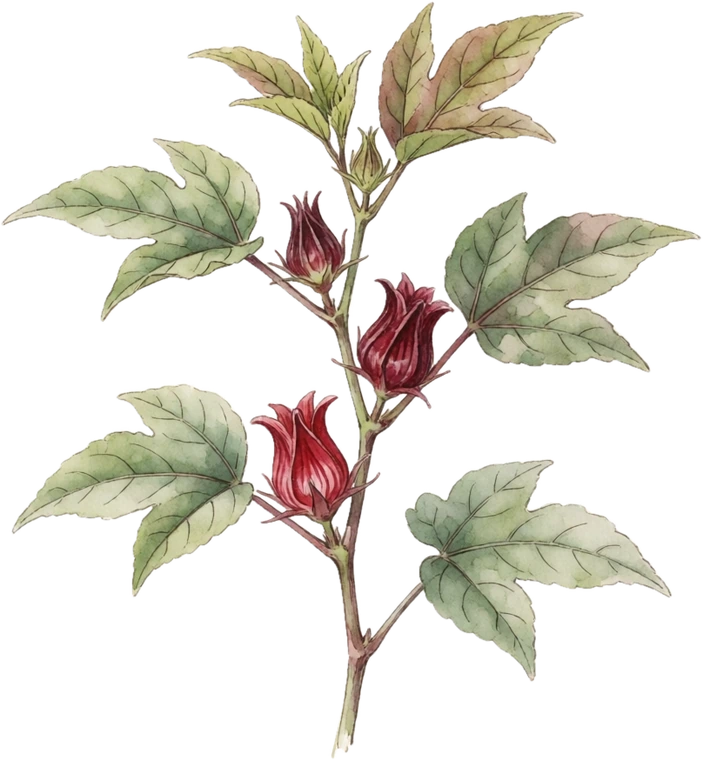
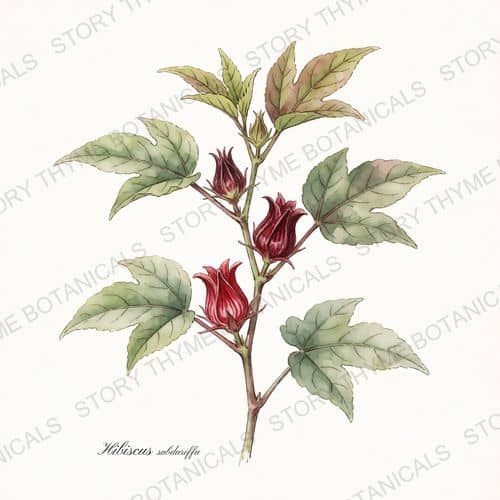
Botanical illustration of Roselle (Tea Hibiscus)

That ruby-red 'hibiscus' in every herbal tea blend is Roselle, and it grows as a burgundy-stemmed bush right in a summer garden. The prize isn't the flower but what follows it: fleshy scarlet calyces that brew into cranberry-tart tea and the agua de jamaica of Mexican taquerias.

Handsome enough for the front border at four to six feet, it doubles as edible landscaping — even the young leaves cook into a tangy green. It blooms as days shorten, so northern growers start early and race frost to the October harvest. Stake out a sunny spot and join the race.

Where to buy roselle (tea hibiscus) — 1 nursery compared

  • Full Sun
  • Moderate water
  • Fast in heat growth
  • Excellent edible
  • Attracts bees
Roselle (Tea Hibiscus) — a print from the Plant Library collection

From the print shop

Growing roselle (tea hibiscus)? Hang it.

Our Plant Library collection carries roselle (tea hibiscus) — Hibiscus sabdariffa, print Nº 404, “Roselle (Tea Hibiscus).”

526 designsfrom $12.99white or black backgroundmatte poster, unframed

Shop Plant Library botanical prints →

✓

Will it fruit where you are?

Enter your ZIP — we look up your USDA hardiness zone (2023 map) and check it against what roselle (tea hibiscus) actually needs.

Life cycleTender perennial, grown as an annual
PollinationSelf-fertile

Roselle (Tea Hibiscus) · Common problems

Common roselle (tea hibiscus) problems

Pests, diseases and weather to keep an eye on.

Pests

2 problems on file

Diseases

1 problem on file

Roselle (Tea Hibiscus) · Growing & propagation

Growing roselle (tea hibiscus)

Light, water, soil, propagation and the season’s jobs.
What it needsThe details
Light
Full Sun
Water
Moderate
Soil
Average, drained · pH 5.5 - 7.0
Fertilizer
Light monthly

Heavy N delays the calyx crop

Pruning
None

Pinch at knee height for branching = more calyces.

Spacing
2-3 ft

Roselle (Tea Hibiscus) · Seasonal care & spray guidance

The roselle (tea hibiscus) growing playbook

Field-tested instructions for every job roselle (tea hibiscus) asks of you, compiled from university extension guidance — in the order the season brings them.

As growth begins

early spring

3 jobs
SowingIn spring

Start roselle in flats in spring, four to six weeks before you set it out

Sow seed into flats in a greenhouse or under lights and keep them warm; germination takes five to 10 days depending on type and temperature. Grow the seedlings on for four to six weeks, then transplant to the field once frost danger has passed. Roselle will not flower until the days shorten in late summer, so the calyx crop always ripens late; the weeks you gain indoors are the weeks that let the calyces fill before frost ends the season.

Planting outIn spring

Transplant into full sun at about 36 by 18 inches after the last frost

Set plants about 36 inches between rows and 18 inches apart within the row, in full sun on well-drained soil. Wait until frost danger has passed - roselle is frost-tender and cold checks it hard. Roselle builds a tall, wide frame before it ever flowers, and crowding costs you the side branches that carry the calyx crop.

FeedingIn spring

Feed two to four weeks after planting, at the rate your soil test calls for

Two to four weeks after planting, apply fertilizer based on the results of your soil test rather than a standard rate. Roselle spends three to four months building its frame before it ever flowers, and matching fertility to the deficit your soil actually has is what supports that frame without wasting inputs.

Through summer

the growing season

2 jobs
PruningIn summer

Pinch the growing tips early to force branching

While the plants are still young and well before the short days of late summer arrive, pinch out the growing tips. Each pinch pushes out new lateral shoots. Flowers, and therefore calyces, form on flowering shoots - early pruning increases branching and the development of more flowering shoots, so the more branches the plant carries into the short-day window, the bigger the harvest.

What to watch forIn summer

Scout for leaf-feeding insects and remove them by hand

Walk the planting regularly and check the leaves for chewing insects. Remove and dispose of affected leaves or plants physically as soon as you see damage, and note any unusual symptoms early. Roselle is generally tolerant of insect attack and disease problems are rare in it, so hand removal usually ends the problem before it ever justifies anything stronger.

Harvest time

as it ripens, and picking

1 job
HarvestingAt harvest

Pick each calyx about two weeks after its flower drops

Watch the bloom fade and fall, then come back about two weeks later when the calyx behind it has reached full size. Snap it off while it is still plump, tender and glossy, and twist the seed pod out of the middle. Pick early and often to keep new calyces coming. The calyces are fleshy and ready for harvest when they reach their maximum size two weeks after flowering; left past that they go brown and leathery on the plant, which is tough and no good for tea.

After harvest

autumn, and putting it to bed

2 jobs
What to watch forAfter harvest

Pull the roots when the crop is done and check for nematode galls

After the last calyces come off, pull the plants and look the roots over for the knots and swellings of root-knot nematode. If you find them, plant roselle somewhere else next year. Root-knot nematodes are roselle's major pest, and they build in the soil wherever a susceptible crop repeats - crop rotation is the practical control, and the roots at pull-out are the only honest look you get at the population.

ProtectionIn autumn

Race the frost - get the calyces in before nights drop below 40F

Plan the calyx harvest to finish before temperatures drop below 40F. If an early cold snap threatens while calyces are still filling, cover the plants overnight to buy a few more ripening days. Roselle is hardy only in zones 9 and 10 and is damaged by frosts or freezes, and because bloom is triggered by shortening days the crop ripens right into the cold end of the season.

Roselle (Tea Hibiscus) · Calculators & field guides

A little help in the garden.

Calculators for the figures. Field guides for the hands-on work.

Roselle (Tea Hibiscus) · Yearly calendar

The roselle (tea hibiscus) year, month by month

What roselle (tea hibiscus) asks for, month by month.

Jan

No calendar activity is listed for this month.

MonthJanFebMarAprMayJunJulAugSepOctNovDec
Bloom

BloomAugust to November

What each band means

  • Bloom — flowers open — pollinators working, frost on blossoms is the danger.

These are the species' typical months — expect them a few weeks earlier in warm zones and later in cold ones. Watch the plant, not just the calendar.

Roselle (Tea Hibiscus) · Ecology & uses

Ecology & uses

What it does for the garden, and what it is grown for.
Botanical illustration of Roselle (Tea Hibiscus)

Hibiscus sabdariffa

Roselle (Tea Hibiscus) in the garden system

  • Herbaceous layer annual
Attracts
Bees
Moisture
Facultative / average
Deer
Browsed

Protect young plants

Origin
Introduced

What roselle (tea hibiscus) is grown for

✓ Commonly eatenit's the red 'hibiscus' in every herbal tea blend

Use
Hibiscus tea
Use
Agua fresca
Use
Edible landscaping
Edible value
4/5

Harvesting & storing roselle (tea hibiscus)

THE CALYCES — the fleshy red pods behind the bloom = hibiscus tea (agua de jamaica); young leaves = tangy cooked green.

Edibility, identification, and traditional-use notes here are general reference — not medical or veterinary advice, and not a claim that any plant treats or prevents anything. Medicinal ratings record how strongly a plant features in herbal tradition, nothing more. Never eat or dose a plant you have not positively identified. More on how to use this library.

Roselle (Tea Hibiscus) · Varieties & cultivars

Best roselle (tea hibiscus) varieties & cultivars

There are far more than these — the ones below are the named varieties of roselle (tea hibiscus) people actually plant.

Named varieties of roselle (tea hibiscus) differ in winter-chill needs, ripening time, hardiness, and whether they set fruit on their own — pick one that fits your climate.

2 varieties

Thai Red

Also known as Thai Red Roselle;Thai Red Early

Ripens
Late summer until frost
Zones
3-11
Size
3-5 ft, red stems and leaf veins

Tart and cranberry-like; leaves are citrusy — A frost-tender perennial grown as an annual anywhere frost falls, and hardy in the ground only in the far south. Southern Exposure calls it the only variety in several trials to begin flowering by mid-summer in Virginia, where day-length-bound types wait until late September. Germinates at 75-85F in seven to fourteen days; transplant after the last frost and space plants three to six feet apart.

Where to buy ‘Thai Red’

Story Thyme Farms may earn a small commission from these links, at no cost to you — it never changes what we recommend.

Sources & plant identity

Know what you’re growing.
See where the knowledge comes from.

Botanical illustration of Roselle (Tea Hibiscus)

Roselle (Tea Hibiscus)

Hibiscus sabdariffa

The plant, at a glance.

Botanical name
Hibiscus sabdariffa
Plant family
Malvaceae
Growth habit
Annual · Tender Perennial
Origin
Introduced
USDA plant symbol
HISA2
Invasive risk
Low
Every garden is different.

Hardiness, size and timing vary with your cultivar, soil and climate.

Rooted in research.

University extension research, brought together with hands-on growing experience at Story Thyme Farms.

Explore Roselle (Tea Hibiscus)’s sources4 reference links
for Roselle (Tea Hibiscus)

Research from these sources

Publisher marks identify sources, not sponsorship or endorsement.

Questions

Roselle (Tea Hibiscus) questions, answered straight.

Do I need two roselle (tea hibiscus) plants to get fruit?

No — roselle (tea hibiscus) is self-fertile, so a single plant will set a crop. A second one usually improves yields, but it isn't required.

Is roselle (tea hibiscus) safe for kids and pets?

Roselle (Tea Hibiscus) is commonly eaten and isn't considered toxic, but "commonly eaten" isn't a guarantee for any particular person or animal — allergies, quantity, and which part you eat all matter. One caveat on this one: it's the red 'hibiscus' in every herbal tea blend. Never eat a plant you haven't positively identified, and check with a vet before letting pets or livestock graze anything new.

When do you harvest roselle (tea hibiscus)?

THE CALYCES — the fleshy red pods behind the bloom = hibiscus tea (agua de jamaica); young leaves = tangy cooked green.

Elsewhere

Where roselle (tea hibiscus) sits in the library.

Where roselle (tea hibiscus) sits in the library

Grows in the same world