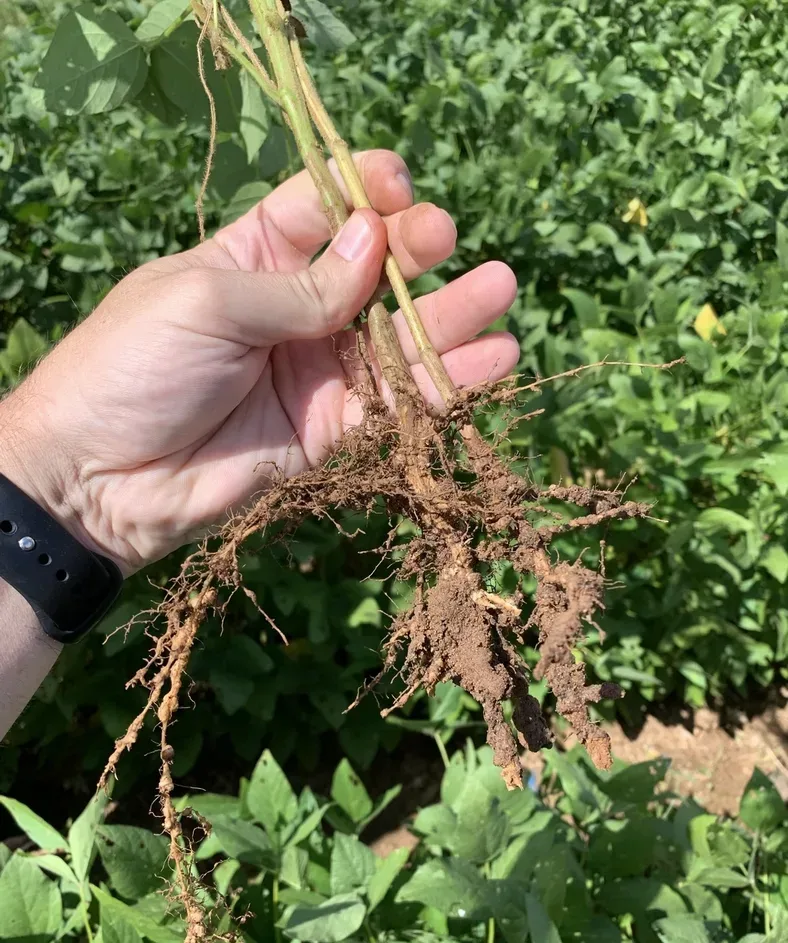
Root Knot Nematodes
Plants are stunted and off-colour and wilt in the afternoon even though the soil is wet. Dig one up and the roots carry hard swellings that are part of the root itself and will not rub off. On beans and peas that is the difference from nitrogen nodules, which pop off with a thumbnail.
Disease checklist
Four things to look for. If most of them match what you are holding, you are in the right place.
What gets rid of it
Gentlest option first. For most backyard cases the first one is enough, so try these in order and stop as soon as it works. If you do spray something, the product label tells you how — please read the notice further down.
1Rotate to non-hosts
Three years of grasses, sweet corn or small grains in that bed pulls populations down.
Try this first2Plant resistant varieties
Look for the N in a tomato variety's disease code, and use resistant peppers, southern peas, lima beans and sweet potatoes.
nematode resistant tomato seed VFN3Solarize the bed
Cover moist bare soil with clear plastic through the hottest six to eight weeks of summer.
clear plastic sheeting soil solarization4Build organic matter
Work compost in every year. It does not kill nematodes but it helps roots outgrow the damage.
5Grow a full stand of French marigold
A solid season-long planting of French marigold can lower numbers. A few plants dotted about will not.
french marigold seed6Get a nematode assay
Your state soil lab can run one so you know what is actually in the bed before you rebuild it.
As an Amazon Associate, Story Thyme Farms earns from qualifying purchases, at no cost to you. It never changes what we recommend.
Which plants get root knot nematodes
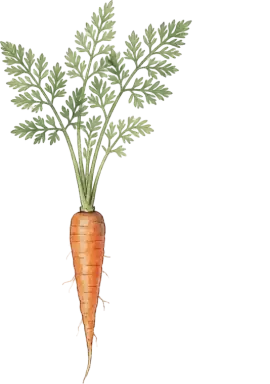
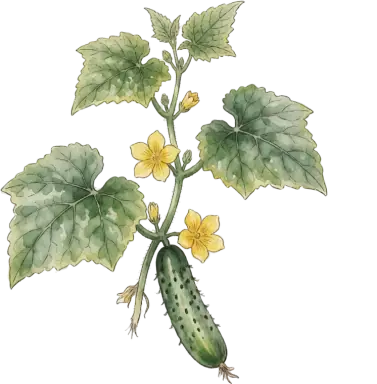
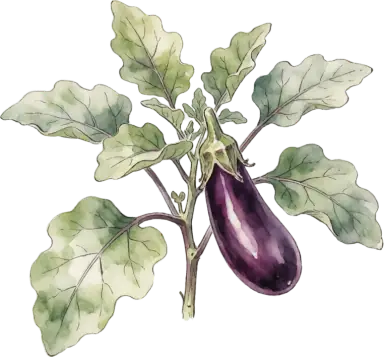
Every plant we cover that gets root knot nematodes, grouped by type — tap any one to open its page. A note beside a plant came from that plant’s own entry, because the same disease can be a minor nuisance on one plant and a serious problem on another. Plenty of plants we do not cover get it too.
biennial1
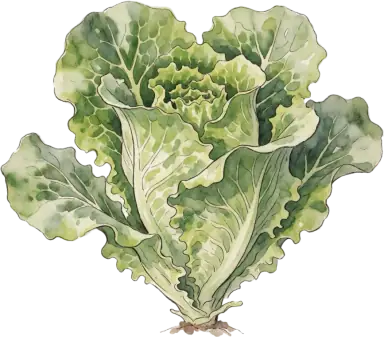
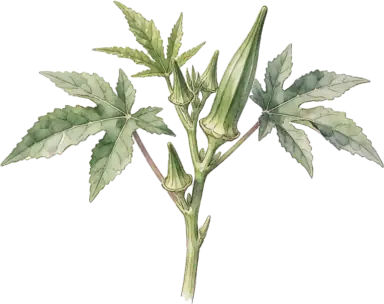
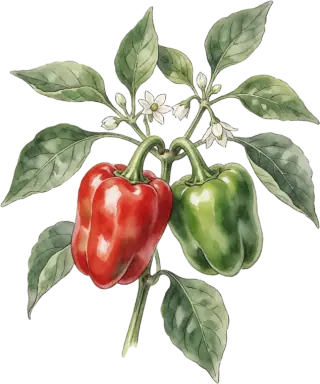
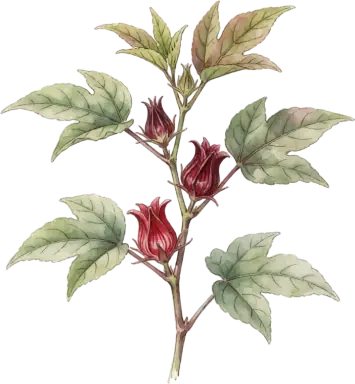
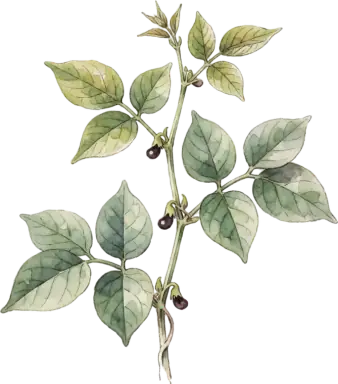
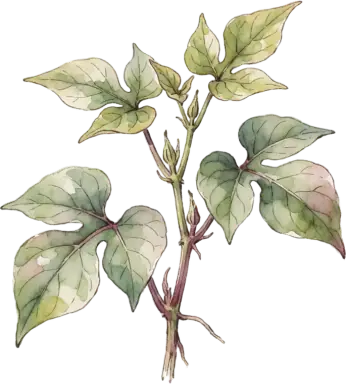
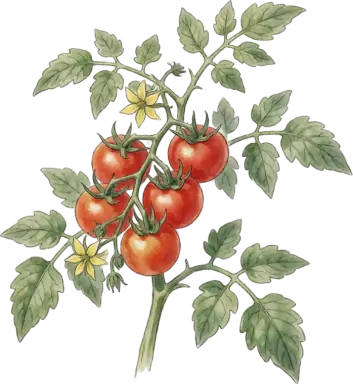
Plant families hit hardest
Related plants often share the same problems, so if one plant in a family has it, check the others. The largest group here is Solanaceae, with 3 of the 10 affected plants.
- Solanaceae3 plants
- Malvaceae2 plants
When to treat
Diagnose at the end of the season while the roots are in your hand, because nothing you apply to a growing crop will help; the fix is what you plant next year.
Timing only — the label is the law
This page tells you when to watch for root knot nematodes and when treating is worth considering. It is not a recommendation to apply any particular product. Read and follow the product label before you spray — under federal law the label is the legal instruction, and using a pesticide against it is illegal.
- Check the pre-harvest interval. Every product that’s cleared for an edible crop sets a minimum number of days between spraying and picking. Find it on the label before you spray anything you intend to eat.
- Check the re-entry interval before you or anyone else works in the treated area again, and use the protective equipment the label names.
- Confirm the product is registered for your crop in your state. This page groups many different crops together, and a product legal on one of them is not legal on all of them — state registrations differ too. Your state pesticide agency or local extension office can confirm both.
- Rates and mixing instructions come from the label, never from us. We don’t publish them because they differ by product and formulation.
Other problems on the same plants
If a plant gets root knot nematodes, these are the problems it most often gets as well, so they are worth checking for while you are out there. They tend to appear together; one does not cause another.