Medlar

Mespilus germanica

Family Rosaceae

TreeZones 5-8

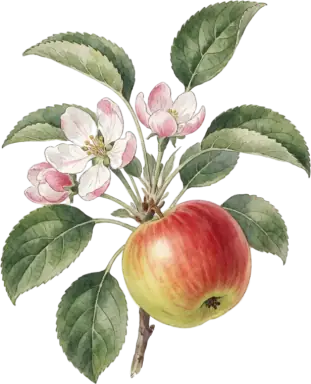
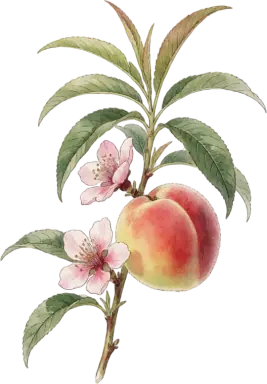
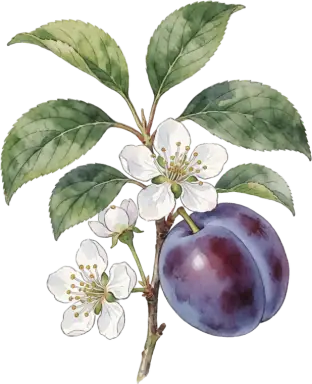
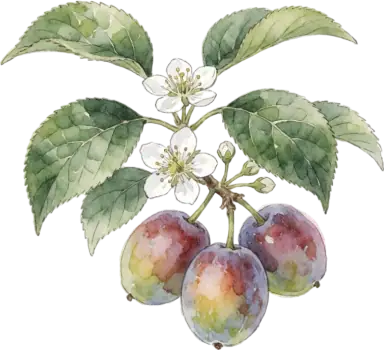
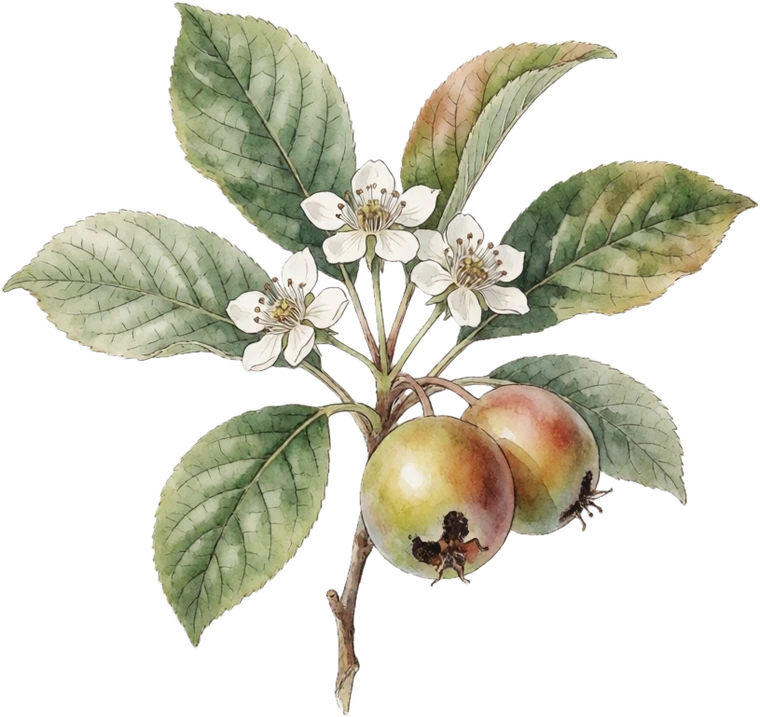
Botanical illustration of Medlar

Medlar is the fruit time forgot — a medieval orchard staple you pick hard in late fall, then let soften indoors for two or three weeks until it tastes of spiced applesauce and dates. No store will ever sell it ripe; it simply doesn't travel. Growers only.

In the landscape it's a gift: a small, naturally crooked, picturesque tree of 8-15 feet, self-fertile, hardy in zones 5-8, and famously untroubled by pests. Spring blossom, autumn curiosity, winter silhouette. Plant one and you'll never run out of conversation at the fence line.

Where to buy medlar — 3 nurseries compared

  • Full Sun to Light Shade
  • Moderate water
  • Slow growth
  • Excellent edible
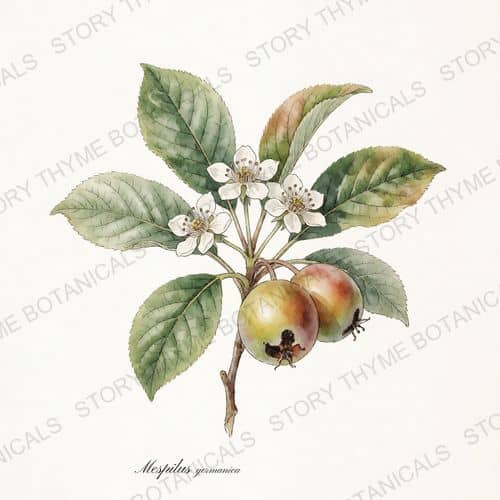
Medlar — a print from the Plant Library collection

From the print shop

Growing medlar? Hang it.

Our Plant Library collection carries medlar — Mespilus germanica, print Nº 299, “Medlar.”

526 designsfrom $12.99white or black backgroundmatte poster, unframed

Shop Plant Library botanical prints →

✓

Will it fruit where you are?

Enter your ZIP — we look up your USDA hardiness zone (2023 map) and check it against what medlar actually needs.

Hardy inZones 5-8
PollinationSelf-fertile

Medlar · Common problems

Common medlar problems

Pests, diseases and weather to keep an eye on.

Pests

1 problem on file

  • Almost none

Diseases

1 problem on file

  • Almost none

Medlar · Growing & propagation

Growing medlar

Light, water, soil, propagation and the season’s jobs.
What it needsThe details
Light
Full Sun to Light Shade
Water
Moderate
Soil
Any decent, well-drained · pH 6.0 - 7.0
Fertilizer
Light spring compost
Pruning
Late Winter

Barely any — naturally gnarled and self-shaping.

Spacing
10-12 ft

How to plant & propagate medlar

Propagate
Grafted, or from cuttings/layering

Seed won't come true

Medlar · Harvest & keeping

What you get from medlar

How long before it bears, how much it gives, how you know it is ready, and how long it keeps once picked.
Botanical illustration of Medlar
Years to first harvest
3 to 5 years
Typical yield
20–60 lbs
What you eat
Fruit (bletted)
How to tell it is ready
Pick hard after the first frosts, then blet indoors 2-4 weeks until brown and custard-soft
How long it keeps
Several weeks while bletting

Eat once soft

Medlar · Seasonal care & spray guidance

The medlar growing playbook

Field-tested instructions for every job medlar asks of you, compiled from university extension guidance — in the order the season brings them.

While it is dormant

winter, before growth starts

2 jobs
Planting outIn winter

Plant while the tree is dormant, in a warm sheltered spot

Set bare-root medlars out any time from late autumn to early spring while they are leafless; container trees can go in year-round but establish best planted in winter. Choose full sun and shelter, deep well-drained fertile soil, and leave at least 5m from other trees and buildings. Keep the graft union about two inches above the soil line and stake the young tree so the union does not snap. A dormant tree moves with no leaves to support, so the roots get a full spring to establish before the canopy makes demands on them, and a buried graft union lets the scion root and lose the rootstock's dwarfing effect.

PruningIn winter

Winter prune lightly - medlars fruit on the shoot tips

Prune while dormant in winter, training an open-centred goblet like a young apple or pear. Take out dead, crossing and rubbing wood and any suckers coming from below the graft, then stop. Do not shorten the small side-shoots, and resist tidying the zigzag branch structure. Medlars are tip-bearers - the fruit forms on the ends of short side-shoots, so every shoot you head back is a fruit you removed before it existed. Dormant cuts also heal without feeding the sappy regrowth that summer pruning provokes.

As growth begins

early spring

2 jobs
MulchingIn spring

Mulch the root zone before growth starts

Spread a 5-7.5cm layer of garden compost or similar organic matter over the root area in late winter or early spring. Leave a clear gap of bare soil right around the trunk base. A regularly mulched medlar generally needs no fertilizer at all - the decaying organic matter feeds it and holds the soil moisture this shallow-rooted tree wants. Mulch piled against the bark traps damp and rots the collar.

FeedingIn spring

Feed only if the crop is poor or leaves show deficiency

Skip feeding a mulched medlar. If harvests have been poor or the foliage shows signs of nutrient deficiency, apply a granular general fertilizer over the root area in early spring as growth resumes. Medlar is undemanding and a routine feed mostly buys soft leafy growth instead of fruit, so the mulch is the default and fertilizer is the exception you reach for on evidence.

Through summer

the growing season

1 job
WateringIn summer

Water young trees through dry spells for the first years

Water newly planted medlars regularly whenever it turns dry through their first growing season, and keep watering young trees during prolonged dry periods for a couple of years after that. Established trees need no extra water. A tree planted this year has a root ball no wider than its pot and cannot reach the moisture an established medlar draws on, so a dry summer stalls it exactly when it should be extending roots.

Harvest time

as it ripens, and picking

1 job
HarvestingAt harvest

Pick the fruit hard after the first frosts, then blet it indoors

Wait until the leaves have coloured and the tree has taken a frost or two, then pick the medlars while they are still rock hard, bitter and inedible. Lay them out in a single layer on trays with the stalks facing up, not touching, somewhere cool, dark, frost-free and airy like a garage. In two to three weeks they turn soft, dark brown and wrinkled - that is bletted, and now they are sweet. A medlar is astringent on the tree and only palatable after bletting, an internal breakdown that starts at the fruit's core and converts the tannins into a date-and-cinnamon sweetness. Frost exposure before picking speeds it along.

After harvest

autumn, and putting it to bed

2 jobs
What to watch forAfter harvest

Quince leaf blight: rake up every fallen leaf after leaf drop

Through a wet season, watch the foliage for small dark spots with grey centres that merge until leaves yellow, brown and drop early, and for dieback at the shoot tips. Once the leaves are down, rake up and remove all fallen leaves and debris from under the tree, and cut out the dead shoots during the winter prune. Diplocarpon mespili overwinters in the fallen leaves and dead twigs beneath the tree - spores from that litter are what start next spring's infections, so clearing it is the whole control.

What to watch forAfter harvest

Brown rot: strip the mummies off the tree, do not leave one hanging

After picking, check the tree for rotted fruit that has dried and stayed on the branches as a hard mummy, and for rotted windfalls underneath. Pull every mummy off, gather the rotted drops, and bury them at least 30cm deep or take them off site. Prune out infected spurs. Netting against birds reduces the wounds that let the rot in. Monilinia survives the winter inside those mummified fruits and in the cankers they sit on, and releases the spores that infect next season's fruit. The fungus can only enter through a wound, so bird and insect damage is what opens the door.

Medlar · Calculators & field guides

A little help in the garden.

Calculators for the figures. Field guides for the hands-on work.

Medlar · Yearly calendar

The medlar year, month by month

What medlar asks for, month by month.

Jan

No calendar activity is listed for this month.

MonthJanFebMarAprMayJunJulAugSepOctNovDec
Bloom
Prune
Harvest

BloomMay

PruneFebruary to March

HarvestOctober to November

What each band means

  • Bloom — flowers open — pollinators working, frost on blossoms is the danger.
  • Prune — shape it now — cuts heal cleanly and structure is visible.
  • Harvest — picking time — check ripeness every few days.

These are the species' typical months — expect them a few weeks earlier in warm zones and later in cold ones. Watch the plant, not just the calendar.

Medlar · Ecology & uses

Ecology & uses

What it does for the garden, and what it is grown for.
Botanical illustration of Medlar

Mespilus germanica

Medlar in the garden system

  • Understory layer tree
Moisture
Facultative / average
Deer
Browsed

Protect young plants

Origin
Introduced

What medlar is grown for

✓ Commonly eaten

Use
Bletted fresh
Use
Jelly
Use
Heritage orchards
Edible value
4/5

Harvesting & storing medlar

October - November — then BLET indoors 2-3 weeks until squashy.

Edibility, identification, and traditional-use notes here are general reference — not medical or veterinary advice, and not a claim that any plant treats or prevents anything. Medicinal ratings record how strongly a plant features in herbal tradition, nothing more. Never eat or dose a plant you have not positively identified. More on how to use this library.

Medlar · Varieties & cultivars

Best medlar varieties & cultivars

There are far more than these — the ones below are the named varieties of medlar people actually plant.

Named varieties of medlar differ in winter-chill needs, ripening time, hardiness, and whether they set fruit on their own — pick one that fits your climate.

7 varieties

Breda Giant

Also known as Bredase Reus;Breda

Self-fertile

Ripens
Picked hard after the first hard frost, then bletted several weeks
Zones
4-9
Size
8-10 ft tree

Fine-textured and sweet, like spicy apple sauce, good for sauces and preserves — Dutch cultivar bearing abundant crops of large fruit 1.5-1.75 inches across, with pink-white spring bloom and golden-red autumn foliage. Also named as a European variety by University of Missouri IPM.

Where to buy ‘Breda Giant’verified

Story Thyme Farms may earn a small commission from these links, at no cost to you — it never changes what we recommend.

Sources & plant identity

Know what you’re growing.
See where the knowledge comes from.

Botanical illustration of Medlar

Medlar

Mespilus germanica

The plant, at a glance.

Botanical name
Mespilus germanica
Plant family
Rosaceae
Growth habit
Tree · Perennial
Origin
Introduced
USDA plant symbol
MEGE4
Invasive risk
Low
Every garden is different.

Hardiness, size and timing vary with your cultivar, soil and climate.

Rooted in research.

University extension research, brought together with hands-on growing experience at Story Thyme Farms.

Explore Medlar’s sources11 reference links
for Medlar

Questions

Medlar questions, answered straight.

Do I need two medlar plants to get fruit?

No — medlar is self-fertile, so a single plant will set a crop. A second one usually improves yields, but it isn't required.

Is medlar safe for kids and pets?

Medlar is commonly eaten and isn't considered toxic, but "commonly eaten" isn't a guarantee for any particular person or animal — allergies, quantity, and which part you eat all matter. Never eat a plant you haven't positively identified, and check with a vet before letting pets or livestock graze anything new.

When do you harvest medlar?

October - November — then BLET indoors 2-3 weeks until squashy.

How do you propagate medlar?

Grafted, or from cuttings/layering (seed won't come true).

Elsewhere

Where medlar sits in the library.