The illustrated growing guide

Shungiku (Garland Chrysanthemum)

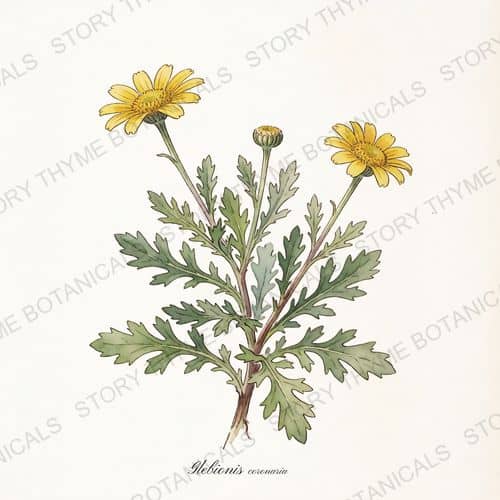
Glebionis coronaria

Family Asteraceae

Grown as an annual

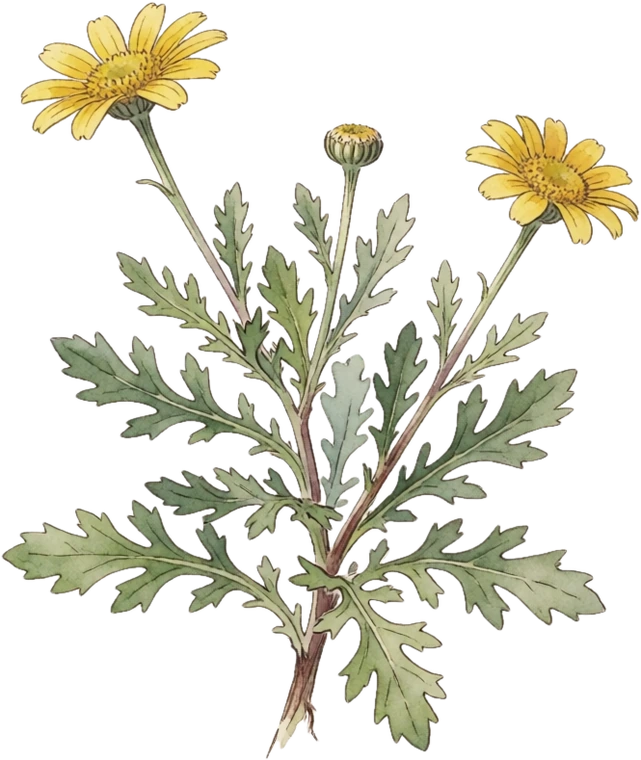
Botanical illustration of Shungiku (Garland Chrysanthemum)
Annual · Glebionis coronaria

The chrysanthemum you eat — young leaves with a unique herby, aromatic, slightly bitter flavor that's indispensable in Asian hot pots and stir-fries. Pick it young (older leaves turn strong), and let a few plants bloom into edible yellow daisies for the pollinators. Fast, easy, cool-season.

AnnualFull Sun to Part ShadeModerate waterFast growthExcellent edibleAttracts beesNone winter chill

Where to buy the plant — 1 nursery

I

Overview

Will shungiku (garland chrysanthemum) suit your garden, and what goes wrong.

Will it fruit where you are?

Enter your ZIP — we look up your USDA hardiness zone (2023 map) and check it against what shungiku (garland chrysanthemum) actually needs.

Life cycleAnnual
Winter chillNone

Shungiku (Garland Chrysanthemum) at a glance

Life cycleAnnual
Mature size1-2 ft
PollinationDaisy flowers feed pollinators
Chill requirementNone (not chill-dependent)
Bloom seasonLate spring if allowed (edible flowers)
Harvest seasonYoung leaves and shoots — aromatic, herby, faintly bitter; a staple in hot pots, stir-fries, and Korean/Japanese cooking
Growth rateFast

Common shungiku (garland chrysanthemum) problems

II

Growing

Light, water, soil, propagation and the season’s jobs.

How to grow shungiku (garland chrysanthemum): light, water & soil

LightFull Sun to Part Shade
WaterModerate
SoilAny decent · pH 6.0 - 7.0
FertilizerLight
PruningNone — The edible chrysanthemum — harvest young leaves and shoot tips before it flowers for a distinctive aromatic green essential to Japanese hot pot (nabe) and Korean cooking. Let some bolt for cheerful edible daisy flowers that feed pollinators. Cut-and-come-again.
Spacing6-8 in

How to plant & propagate shungiku (garland chrysanthemum)

Maturity40-50 days
From seedDirect-sow spring/fall; edible chrysanthemum
PropagateFrom seed

The shungiku (garland chrysanthemum) growing playbook

Field-tested instructions for every job shungiku (garland chrysanthemum) asks of you, compiled from university extension guidance — in the order the season brings them.

Sowing

Direct sow shungiku as soon as the soil can be worked

Sow thinly a quarter to a half inch deep in damp, well-drained soil, in rows about 18 inches apart. Sow a fresh short row every two to three weeks while the weather stays cool rather than one big planting. Shungiku grows best between 68 and 84F and turns bitter and runs to flower once real heat arrives, so the crop is only good for the weeks before that. Successive small sowings keep tender shoots coming instead of handing you one bolting bed.

Sow a fall crop once the worst heat breaks

Start sowing again when nights begin to cool, and keep sowing every two to three weeks through the cool season. In hot-summer regions this autumn-into-winter window is the main crop, not a bonus. Falling temperatures and shortening days hold the plant in leaf instead of pushing it into flower, so autumn-sown shungiku stays sweeter and gives more cuts than the same seed sown in spring.

Feeding

Feed for leaf, at about a lettuce rate

Work in a balanced fertilizer before sowing at roughly the rate you would give lettuce, aiming near 2 pounds of actual nitrogen per 1000 square feet across the crop, and side-dress lightly after a hard cut. Target soil pH between 5.2 and 7.5. This is a fast leaf crop harvested in about six weeks, so nitrogen is what you are actually growing. Korean work found yield optimized near 100 kg N per hectare, which is where that rate comes from, and there is no yield reason to push past it. UF/IFAS has no fertility recommendation specific to this crop and directs growers to follow lettuce rates for now. Bitterness in shungiku comes from heat and bolting, not from fertility, so do not expect a feeding change to fix a bitter bed.

Thinning

Thin seedlings to about 2 inches apart

Once seedlings are up and handleable, thin to roughly 2 inches apart in the row, or up to 6 inches if you want big multi-cut plants. Eat the thinnings. Repeat after each succession sowing. Shungiku is sown thickly and crowded stands run to a single thin stem and bolt sooner. Thinning gives each plant the light to branch, which is where the repeat harvests come from.

Pruning

Pinch flower buds the moment you see them

Walk the bed and pinch out flower buds as they appear, unless you are deliberately growing the crop on for edible petals. Once a planting is budding faster than you can pinch, cut the whole thing and sow again. As soon as the plant commits to flowering it stops putting sugar into leaves and the foliage turns coarse and bitter. Removing buds keeps it in vegetative growth and pushes new shoots instead.

What to watch for

Check leaf undersides for aphids and leafminer trails

Turn leaves over every few days while the crop is sizing up and look for aphids, whitefly, mites, and the pale winding tunnels of leafminer. Also watch for powdery mildew film in crowded, still plantings. Pull or cut out badly mined leaves rather than trying to salvage them. These are the pests recorded on edible chrysanthemum, and every one of them lives on the part you eat, so damage is not cosmetic here the way it is on a fruit crop. A leaf with a mine in it is not a leaf you can sell or serve.

Shungiku is a minor crop and few insecticides carry it on the label. Do not borrow a product labeled for lettuce or for brassica greens onto this crop. If you need to treat, confirm edible chrysanthemum or the relevant leafy vegetable crop group appears on the label, and follow that label's pre-harvest interval.

Protection

Row cover to stretch the fall crop, but do not count on hardiness

Throw floating row cover over the bed when light frost is forecast to keep cutting later into the season. Plan to have the crop finished before a hard freeze rather than trying to overwinter it uncovered. Shungiku takes light frosts only. A few degrees of protection buys real extra weeks in autumn, when the leaf quality is at its best, but the plant has no deep cold hardiness to fall back on.

Harvesting

Cut at about 8 inches, before any buds show

Harvest roughly 40 to 45 days from sowing when plants are about 8 inches tall. For repeat cuts, take the top of the shoot and leave one or two side branches or four to five basal leaves behind; for one clean harvest, cut the whole plant at the soil surface. Broadleaf types will keep giving weekly cuts. Pick in the cool of the day. Flavor and tenderness peak just before the plant starts to bud, and leaving basal leaves or a branch gives the plant the working foliage it needs to regrow rather than stall. Cutting in the heat of the day wilts the leaf before it reaches the kitchen.

III

The year

What shungiku (garland chrysanthemum) asks for, month by month.

The shungiku (garland chrysanthemum) year, month by month

MonthJanFebMarAprMayJunJulAugSepOctNovDec
Bloom

What each band means

  • Bloomflowers open — pollinators working, frost on blossoms is the danger.

The shungiku (garland chrysanthemum) year as text

  • Jan quiet month
  • Feb quiet month
  • Mar quiet month
  • Apr quiet month
  • May bloom
  • Jun quiet month
  • Jul quiet month
  • Aug quiet month
  • Sep quiet month
  • Oct quiet month
  • Nov quiet month
  • Dec quiet month

These are the species' typical months — expect them a few weeks earlier in warm zones and later in cold ones. Watch the plant, not just the calendar.

IV

Ecology & uses

What it does for the garden, and what it is grown for.

Shungiku (Garland Chrysanthemum) in the garden system

  • Herbaceous layer annual
  • Nectary/insectary
AttractsBees
MoistureFacultative / average
DeerBrowsed — protect young plants
OriginIntroduced

What shungiku (garland chrysanthemum) is grown for

✓ Commonly eatenyoung leaves; flavor gets strong with age

UseHot pot
UseStir-fry
UseEdible flowers
Edible value4/5

Harvesting & storing shungiku (garland chrysanthemum)

Young leaves and shoots — aromatic, herby, faintly bitter; a staple in hot pots, stir-fries, and Korean/Japanese cooking. About 40-50 days from planting.

Edibility, identification, and traditional-use notes here are general reference — not medical or veterinary advice, and not a claim that any plant treats or prevents anything. Medicinal ratings record how strongly a plant features in herbal tradition, nothing more. Never eat or dose a plant you have not positively identified. More on how to use this library.

V

Cultivars

Named varieties of shungiku (garland chrysanthemum), ruled as a catalogue.

Best shungiku (garland chrysanthemum) varieties & cultivars

7 on file

Named varieties of shungiku (garland chrysanthemum) differ in days to maturity, disease resistance, flavor, and habit — pick one that fits your season and space.

Garland Serrated · Garland Serrated Chrysanthemum;Serrated Leaf Shungiku

Zones2-11SizeSmall grey-green serrated leaves; 3 inch flowers

Distinctly and strongly chrysanthemum-flavored, aromatic — Open-pollinated. Fedco reports it outperformed other shungiku in their trials on both leaf and flower. Buttercup yellow flowers edged in white are large enough for the edible-flower market, and it doubles as a yellow dye plant. Occasionally self-sows. Cut at 4 to 8 inches before buds appear.

Where to buy ‘Garland Serrated

Story Thyme Farms may earn a small commission from these links, at no cost to you — it never changes what we recommend.

Garland Round Leaf · Garland Round Leaved;Round Leaf Shungiku;Large Leaf Shungiku

Zones4-10SizeSmooth broad oval leaves; 12 to 24 inches tall, free-branching

Mild, slightly grassy, faintly chrysanthemum; less bitter than serrated types — Heirloom broadleaf type. The free-branching soft stems and broad leaves make this the type to pick for repeated cut-and-come-again harvests, which UF/IFAS notes works reliably on broadleaf shungiku but not on narrow-leaf.

Where to buy ‘Garland Round Leaf

Story Thyme Farms may earn a small commission from these links, at no cost to you — it never changes what we recommend.

Oasis · Oasis Shungiku

Zones2-11SizeTall and branching, to 3 feet when flowering

Bright chrysanthemum flavor in leaf and petal — Delicate serrated leaves, harvested as baby greens at 4 to 6 inches or as bunching greens up to 12 inches before bolting. Small white and yellow flowers whose petals are used as garnish, in pickles, or dried. Bolts and turns bitter in warm weather like the rest of the species.

Where to buy ‘Oasis

Story Thyme Farms may earn a small commission from these links, at no cost to you — it never changes what we recommend.

Komi · Komi Shungiku

Zones2-11SizeDeeply serrated small leaves on long stems

Mild and floral, sits between an herb and a vegetable — Certified organic, offered by Adaptive Seeds. The long stems let it be cut and bunched like broccoli raab rather than picked leaf by leaf. Described as frost resistant to some degree and at its best quality in cool weather. Pale yellow daisy flowers draw beneficial insects if left to bloom.

Where to buy ‘Komi

Story Thyme Farms may earn a small commission from these links, at no cost to you — it never changes what we recommend.

Large Leaf Tong-Ho · Da Ye Tong Hao;Large Leaf Shungiku

Zones2-11SizeLarge broad leaves

More tender, aromatic and tasty than other types per the seed house — Broadleaf market type. Broadleaf shungiku is the heat-tolerant side of the species and is what UF/IFAS recommends for the warmer parts of Florida, where narrow-leaf types are pushed to the cooler north of the state.

Where to buy ‘Large Leaf Tong-Ho

Story Thyme Farms may earn a small commission from these links, at no cost to you — it never changes what we recommend.

Medium Leaf Tong-Ho · Zhong Qie Ye Tong Hao;Medium Leaf Shungiku

Zones2-11SizeFine, serrated, medium-sized green leaves

Excellent aroma and flavor per the seed house — Narrow/serrated market type, not a broadleaf. UF/IFAS reports that small- and narrow-leaf shungiku give only a one-time harvest, while broadleaf types support both one-time and multiple cuts, so plan to cut this one at the base rather than expecting repeat harvests. Fast to maturity at roughly 30 to 35 days.

Where to buy ‘Medium Leaf Tong-Ho

Story Thyme Farms may earn a small commission from these links, at no cost to you — it never changes what we recommend.

Stick Delicata · Shungiku Stick Delicata

Zones2-11SizeDelicate finely serrated light green leaves

Tender with a subtle chrysanthemum flavor rather than a strong one — Bred toward the baby-leaf and salad end of the crop, harvestable in under 30 days. The mildest option listed here for anyone who finds shungiku too assertive raw.

Where to buy ‘Stick Delicata

Story Thyme Farms may earn a small commission from these links, at no cost to you — it never changes what we recommend.

VI

Sources & plant ID

Where the care distinctions come from, and how the plant is filed.

Research basis

Sources behind this profile

No extension citations are attached to shungiku (garland chrysanthemum)yet. The care figures below come from the library's own catalogue rather than a traced primary source.

Plant ID

BinomialGlebionis coronaria
FamilyAsteraceae
TypeAnnual
USDA symbolGLCO6
OriginIntroduced
Invasive riskLow

VII

Where to buy

Third-party nurseries — not Story Thyme Farms.

Third-party nurseries, not Story Thyme Farms. Prices are theirs.

Story Thyme Farms may earn a small commission from these links, at no cost to you — it never changes what we recommend.

VIII

Questions

Shungiku (Garland Chrysanthemum) questions, answered straight.

Is shungiku (garland chrysanthemum) safe for kids and pets?

Shungiku (Garland Chrysanthemum) is commonly eaten and isn't considered toxic, but "commonly eaten" isn't a guarantee for any particular person or animal — allergies, quantity, and which part you eat all matter. One caveat on this one: young leaves; flavor gets strong with age. Never eat a plant you haven't positively identified, and check with a vet before letting pets or livestock graze anything new.

When do you harvest shungiku (garland chrysanthemum)?

Young leaves and shoots — aromatic, herby, faintly bitter; a staple in hot pots, stir-fries, and Korean/Japanese cooking. From planting, expect about 40-50 days to maturity.

How do you propagate shungiku (garland chrysanthemum)?

From seed.

IX

Elsewhere

Where shungiku (garland chrysanthemum) sits in the library.

Where shungiku (garland chrysanthemum) sits in the library

Grows in the same world