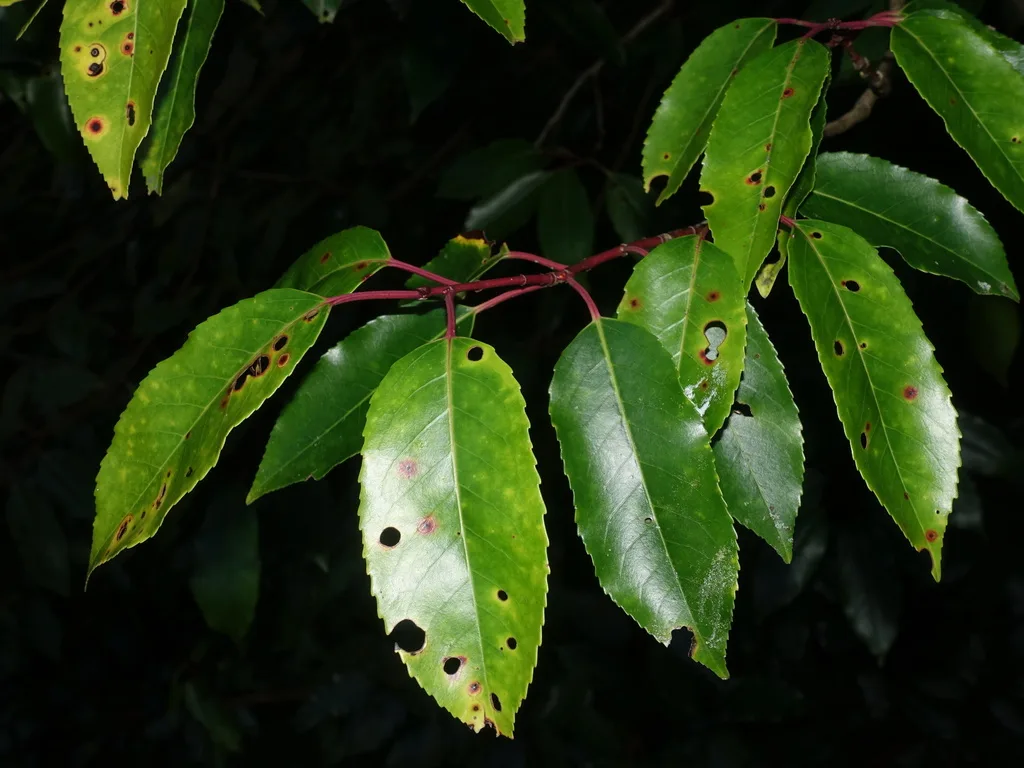
Shot Hole
Small round purple to reddish-brown spots on the leaves whose centres dry, drop out and leave clean holes, as if the leaf had been hit with birdshot. Look for matching purple spots with tiny dark centres on the twigs and buds, which is what separates it from bacterial spot and from cherry leaf spot.
Disease checklist
Four things to look for. If most of them match what you are holding, you are in the right place.
What gets rid of it
Gentlest option first. For most backyard cases the first one is enough, so try these in order and stop as soon as it works. If you do spray something, the product label tells you how — please read the notice further down.
1Dormant fungicide after leaf fall
A copper product applied in late fall covers the buds and twigs where the fungus overwinters, per the label.
copper fungicide concentrateTry this first2Prune out spotted twigs
Remove twigs carrying the dark lesions during dormant pruning so there is less inoculum in spring.
bypass pruners garden3Keep sprinklers off the tree
Move or shield any irrigation that wets the canopy, since repeated wetting is what drives the spread.
drip irrigation kit for garden4Rake and remove fallen leaves and fruit
Clear the litter under the tree in autumn so less spore material sits underneath.
leaf rake heavy duty5Open the canopy
Prune for light and air movement so the leaves and shoots dry faster after spring rain.
bypass loppers pruning
As an Amazon Associate, Story Thyme Farms earns from qualifying purchases, at no cost to you. It never changes what we recommend.
Which plants get shot hole
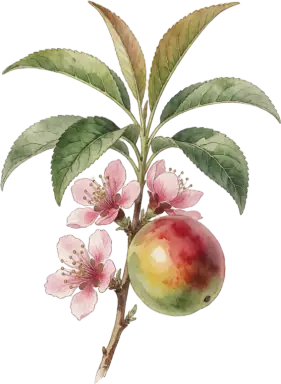
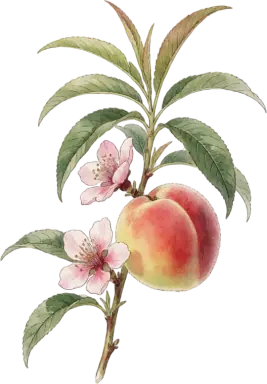
Every plant we cover that gets shot hole, grouped by type — tap any one to open its page. A note beside a plant came from that plant’s own entry, because the same disease can be a minor nuisance on one plant and a serious problem on another. Plenty of plants we do not cover get it too.
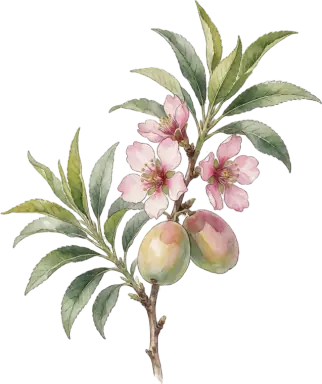
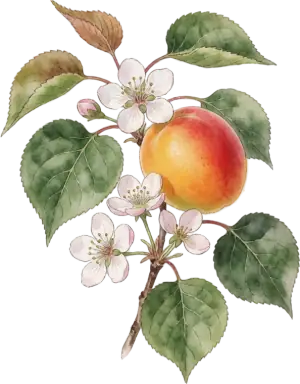
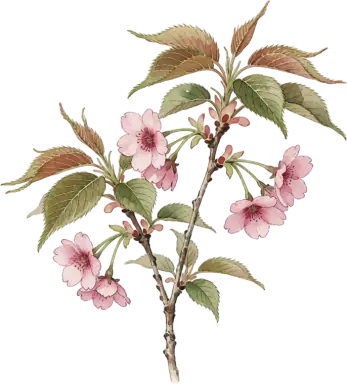
Plant families hit hardest
Related plants often share the same problems, so if one plant in a family has it, check the others. The largest group here is Rosaceae, with 5 of the 5 affected plants.
- Rosaceae5 plants
When to treat
Spraying is preventive and is timed to the dormant and early spring period before wet weather, because the fungus overwinters in infected buds and twig cankers; holes already in a leaf will not close up.
On specific plants
- Dormant
- Dormant copper/oil for shot hole + brown rot.
Timing only — the label is the law
This page tells you when to watch for shot hole and when treating is worth considering. It is not a recommendation to apply any particular product. Read and follow the product label before you spray — under federal law the label is the legal instruction, and using a pesticide against it is illegal.
- Check the pre-harvest interval. Every product that’s cleared for an edible crop sets a minimum number of days between spraying and picking. Find it on the label before you spray anything you intend to eat.
- Check the re-entry interval before you or anyone else works in the treated area again, and use the protective equipment the label names.
- Confirm the product is registered for your crop in your state. This page groups many different crops together, and a product legal on one of them is not legal on all of them — state registrations differ too. Your state pesticide agency or local extension office can confirm both.
- Rates and mixing instructions come from the label, never from us. We don’t publish them because they differ by product and formulation.
Other problems on the same plants
If a plant gets shot hole, these are the problems it most often gets as well, so they are worth checking for while you are out there. They tend to appear together; one does not cause another.