Nectarine

Prunus persica

Family Rosaceae

TreeZones 5-9

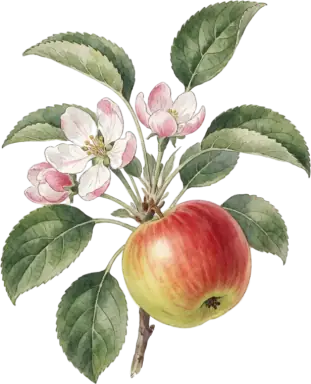
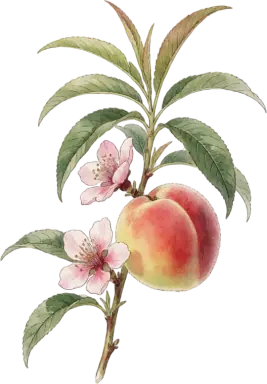
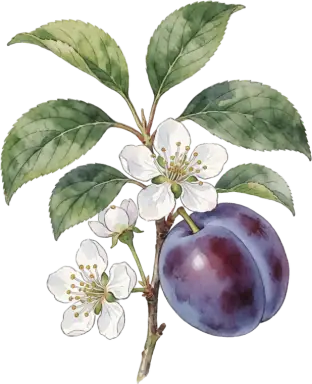
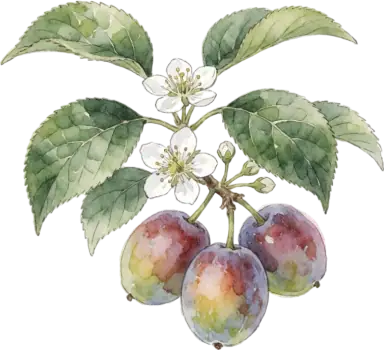
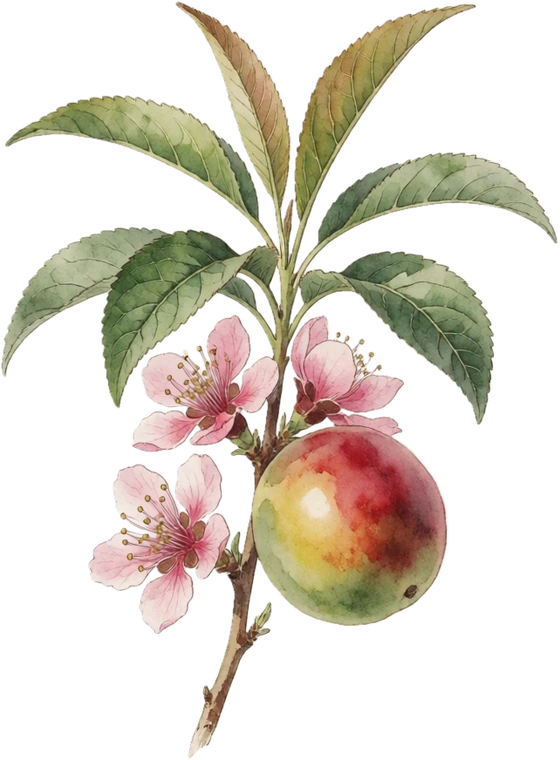
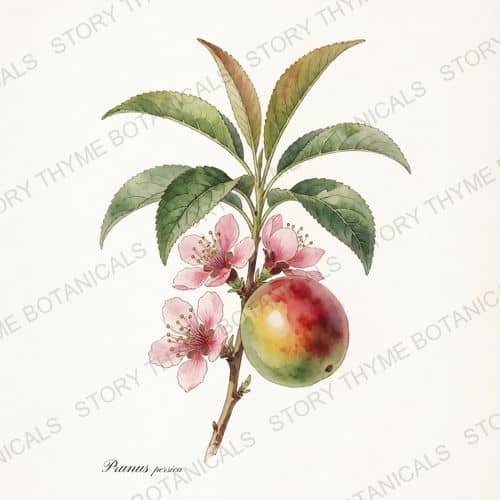
Botanical illustration of Nectarine

All the perfume of a peach with none of the fuzz — a nectarine ripened on the tree is glossy, tender, and loud with flavor by mid to late summer. Freestone varieties like 'Fantasia' come off the pit clean, built for eating out of hand and for pies.

It grows fast, holds to 12-15 feet, and needs no partner — one self-fertile tree in full sun will set a real crop. Spring bloom feeds bees and butterflies before the fruit even starts, which makes a single nectarine a fair trade for a sunny corner.

Where to buy nectarine — 9 nurseries compared

  • Full Sun
  • Moderate water
  • Fast growth
  • Excellent edible
  • Attracts bees
  • Attracts butterflies
  • 600-900 winter chill
Nectarine — a print from the Plant Library collection

From the print shop

Growing nectarine? Hang it.

Our Plant Library collection carries nectarine — Prunus persica, print Nº 323, “Nectarine.”

526 designsfrom $12.99white or black backgroundmatte poster, unframed

Shop Plant Library botanical prints →

✓

Will it fruit where you are?

Enter your ZIP — we look up your USDA hardiness zone (2023 map) and check it against what nectarine actually needs.

Hardy inZones 5-9
Winter chill600-900
PollinationSelf-fertile

Nectarine · Common problems

Common nectarine problems

Pests, diseases and weather to keep an eye on.

Pests

4 problems on file

Diseases

5 problems on file

Nectarine · Growing & propagation

Growing nectarine

Light, water, soil, propagation and the season’s jobs.
What it needsThe details
Light
Full Sun
Water
Moderate
Soil
Well-drained, Sandy Loam · pH 6.0 - 6.5
Fertilizer
Early Spring
Pruning
Late Winter / Early Spring

Open Center (Vase)

Spacing
15-20 ft

How to plant & propagate nectarine

Propagate
Grafted, or from cuttings/layering

Seed won't come true

Nectarine · Harvest & keeping

What you get from nectarine

How long before it bears, how much it gives, how you know it is ready, and how long it keeps once picked.
Botanical illustration of Nectarine
Years to first harvest
2 to 3 years
Typical yield
120–150 lbs per tree
What you eat
Fruit
How to tell it is ready
Full cultivar color with slight give and peach-like aroma
How long it keeps
About 1 week refrigerated

Nectarine · Seasonal care & spray guidance

The nectarine growing playbook

Field-tested instructions for every job nectarine asks of you, compiled from university extension guidance — in the order the season brings them.

When to spray nectarine

Dormant season. Copper (Leaf Curl): MUST Apply before bud swell in Spring or in late Fall.

Growing season. Brown Rot: Nectarines are highly susceptible. Spray fungicide at petal fall, shuck split, and pre-harvest.

While it is dormant

winter, before growth starts

2 jobs
PruningIn February and March

Prune nectarine like peach

Maintain an open-center tree, remove upright water sprouts and dead wood, and head back fruiting shoots to outward laterals. Nectarines bear on one-year wood and need annual pruning to keep fruiting wood close to the scaffold limbs.

SprayingIn winter

Peach leaf curl: one dormant copper spray, before buds swell

Once every leaf has dropped, spray the whole tree - every twig, bud and branch - with a fixed copper fungicide such as copper octanoate or copper ammonium, or with chlorothalonil as a non-copper rotation. Add 1 percent horticultural oil to a copper spray to help it stick. In high-rainfall areas repeat in late winter before the buds swell. Taphrina deformans overwinters as a film of spores on the bud scales and twigs and infects the new leaves as they push, needing only wetness for about 12 hours below 61F. The fungus is inside the leaf before you ever see the puckered red tissue, so the only spray that works is the one already on the bark when the bud opens.

As growth begins

early spring

1 job
SprayingAt green tip

Delayed-dormant oil at bud swell for scale, mites and twig borer

When the buds have begun to swell but before any flower opens, spray horticultural oil, with spinosad added if peach twig borer has damaged shoots in past years. Cover the rough bark and crotches where the larvae shelter. Peach twig borer overwinters as a tiny larva in a hibernaculum tucked in the bark and crawls out just before and during bloom to tunnel into new shoots. Oil at bud swell smothers those larvae along with overwintering mites and scale, before the tree is in flower and off limits to spraying.

While it flowers

at bloom

1 job
FeedingAt bloom

Feed between bloom and petal fall, then again two months later

Between bloom and petal fall, spread a complete fertilizer such as 10-10-10 or 12-4-8 out under the canopy at 1 cup per year of tree age, to a maximum of 10 cups for a mature tree. Repeat about two months later. After the fruit is picked, follow with 1 cup of calcium nitrate per year of tree age, to a maximum of 4 cups. Base the rate on a soil test and on how much shoot growth the tree made last year, and take a leaf sample in July if a bearing tree looks off. The tree is spending stored reserves on flowers and the first flush of shoots right now, and nitrogen taken up in that window goes into the fruit-bearing wood rather than into soft late growth.

Just after bloom

as the fruit sets

1 job
SprayingAt petal fall

Peach twig borer: spinosad at petal fall, late in the day

As the last petals drop, spray spinosad to cover the shoot tips where the young larvae are boring in. Apply in the late afternoon or evening. The overwintered larvae leave their bark shelters during bloom and petal fall and burrow into the tender new shoots, flagging and killing them; once they are inside the shoot no spray reaches them, so petal fall is the one window when the larvae are exposed and the bees have gone.

Through summer

the growing season

1 job
ThinningIn May and June

Thin nectarine fruitlets

Thin peaches and nectarines by hand when fruit is small, leaving roughly 6-8 inches between fruit. Thinning early prevents small fruit and reduces limb breakage.

Harvest time

as it ripens, and picking

2 jobs
SprayingBefore harvest

Brown rot: start cover sprays about three weeks before harvest

When the fruit first takes on color, roughly three weeks out from picking, begin fungicide sprays on a 7 to 10 day schedule and continue to harvest. Captan 50WP, myclobutanil and sulfur are the home-garden options; rotate between them rather than leaning on one. Early-ripening varieties need fewer rounds than late ones. The two to four weeks before harvest are the most susceptible period of the whole season - as sugar rises the fruit loses its resistance, and Monilinia spores blowing off overwintered mummies turn a bruised or insect-punctured fruit to rot in two to five days.

HarvestingAt harvest

Pick firm-ripe, and read the background color not the blush

Ignore the red blush and look at the background skin between it - pick when that ground color has turned from green to yellow, or to a pale greenish-white on white-fleshed varieties. Take the fruit while it is still firm rather than soft, and taste one to calibrate. Clingstone types come away from the spur easily when ready. The red blush colors up long before the fruit is ripe and tells you nothing; the background color is what tracks actual maturity, and fruit left until soft on the tree bruises on the way to the kitchen and invites brown rot.

After harvest

autumn, and putting it to bed

1 job
PruningAfter harvest

Strip every mummy and cut out the blighted twigs

After the last fruit is picked, pull off every shriveled mummy still hanging in the tree, rake up the fallen and rotted fruit, and cut out twigs with sunken cankers or dead blossom spurs. Destroy the lot - do not compost it at the base of the tree. Monilinia overwinters in exactly those mummies and cankered twigs, and they are the spore source that infects next spring's blossoms and next summer's ripening fruit. Removing them is the cheapest brown rot control there is, and it lowers how much you have to spray next year.

Nectarine · Calculators & field guides

A little help in the garden.

Calculators for the figures. Field guides for the hands-on work.

Nectarine · Yearly calendar

The nectarine year, month by month

What nectarine asks for, month by month.

Jan

No calendar activity is listed for this month.

MonthJanFebMarAprMayJunJulAugSepOctNovDec
Bloom
Prune
Harvest

BloomMarch to April

PruneFebruary to April

HarvestAugust

What each band means

  • Bloom — flowers open — pollinators working, frost on blossoms is the danger.
  • Prune — shape it now — cuts heal cleanly and structure is visible.
  • Harvest — picking time — check ripeness every few days.

These are the species' typical months — expect them a few weeks earlier in warm zones and later in cold ones. Watch the plant, not just the calendar.

Nectarine · Ecology & uses

Ecology & uses

What it does for the garden, and what it is grown for.
Botanical illustration of Nectarine

Prunus persica

Nectarine in the garden system

  • Understory layer tree
  • Keystone: Keystone — hosts 340-450+ caterpillar species
Attracts
Bees, Butterflies
Moisture
Facultative / average
Deer
Browsed

Protect young plants

Origin
Introduced

What nectarine is grown for

! Some parts toxic — see notesPits toxic if crushed

Use
Fresh
Use
Baking
Use
Canning
Edible value
4/5

Harvesting & storing nectarine

Mid-Late Summer.

Edibility, identification, and traditional-use notes here are general reference — not medical or veterinary advice, and not a claim that any plant treats or prevents anything. Medicinal ratings record how strongly a plant features in herbal tradition, nothing more. Never eat or dose a plant you have not positively identified. More on how to use this library.

Nectarine · Varieties & cultivars

Best nectarine varieties & cultivars

There are far more than these — the ones below are the named varieties of nectarine people actually plant.

Named varieties of nectarine differ in winter-chill needs, ripening time, hardiness, and whether they set fruit on their own — pick one that fits your climate.

16 varieties

Fantasia

Self-fertile

Chill
500–600 hrs
Ripens
Late July-August
Zones
5-9
Disease
moderate
Size
standard; semi-dwarf on rootstock

large yellow freestone, sweet and rich when fully ripe — A widely planted home yellow freestone nectarine, reliable and self-fertile with a moderate chill need that suits most temperate gardens.

Where to buy ‘Fantasia’verified

Story Thyme Farms may earn a small commission from these links, at no cost to you — it never changes what we recommend.

Sources & plant identity

Know what you’re growing.
See where the knowledge comes from.

Botanical illustration of Nectarine

Nectarine

Prunus persica

The plant, at a glance.

Botanical name
Prunus persica
Plant family
Rosaceae
Growth habit
Tree · Perennial
Origin
Introduced
USDA plant symbol
PRPE3
Invasive risk
Low
Every garden is different.

Hardiness, size and timing vary with your cultivar, soil and climate.

Rooted in research.

University extension research, brought together with hands-on growing experience at Story Thyme Farms.

Explore Nectarine’s sources18 reference links
for Nectarine

Questions

Nectarine questions, answered straight.

Do I need two nectarine plants to get fruit?

No — nectarine is self-fertile, so a single plant will set a crop. A second one usually improves yields, but it isn't required.

Will nectarine fruit in a warm-winter climate?

Nectarine needs roughly 600-900 hours of winter chill (hours between 32–45°F) to break dormancy and set fruit. Mild-winter growers should count their chill hours before planting.

Is nectarine safe for kids and pets?

With care. Pits toxic if crushed Site it accordingly if children or pets roam the garden. This is general reference, not medical or veterinary advice — call a vet or poison control if something has actually been eaten.

When do you harvest nectarine?

Mid-Late Summer.

Elsewhere

Where nectarine sits in the library.