The illustrated growing guide

Egyptian Walking Onion

Allium × proliferum

Family Amaryllidaceae

Est. zones 3-9

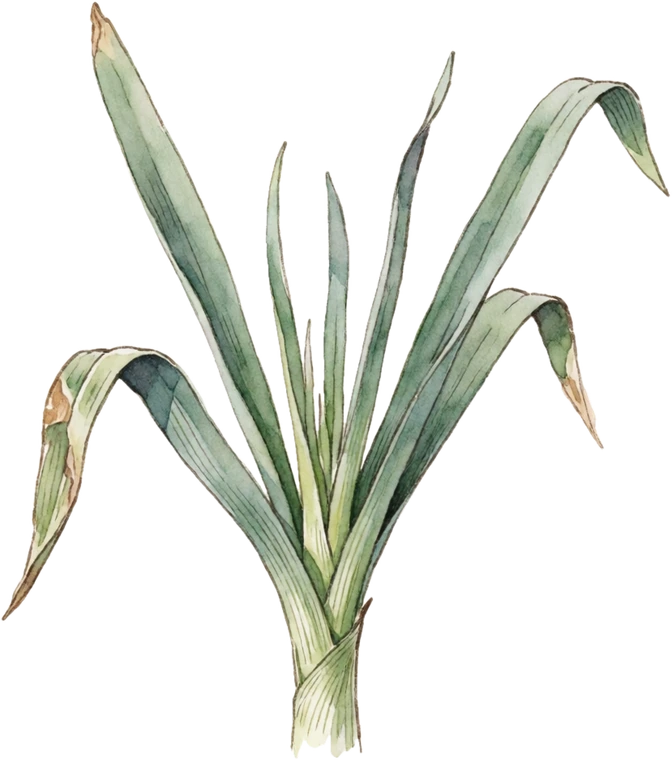
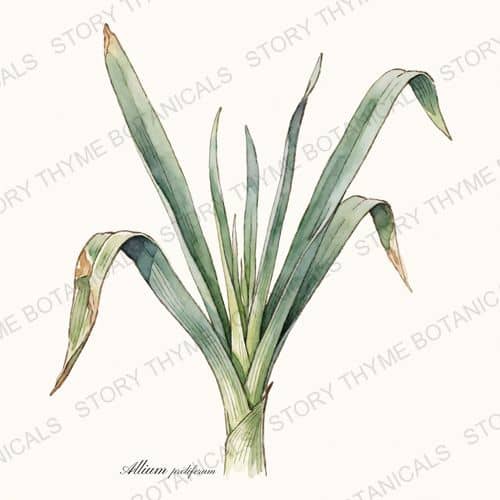
Botanical illustration of Egyptian Walking Onion
Perennial · Allium × proliferum

The perennial onion that plants itself across the garden — it makes clusters of little bulbs on top of its stalks, which flop over, root, and 'walk' a step further each year. One planting gives you scallions, small cooking bulbs, and endless free starts, forever. Bulletproof and hardy to zone 3.

PerennialFull SunLow waterFast growthExcellent edible

Where to buy the plant — 1 nursery

Walking Onion — a print from the Roots & Alliums collection

From the print shop

Growing egyptian walking onion? Hang it.

Our Roots & Alliums collection carries egyptian walking onionAllium × proliferum, print Nº 5, “Walking Onion.”

16 designsfrom $21.99white or black groundmatte poster, unframed

Shop Roots & Alliums botanical prints →

I

Overview

Will egyptian walking onion suit your garden, and what goes wrong.

Will it fruit where you are?

Enter your ZIP — we look up your USDA hardiness zone (2023 map) and check it against what egyptian walking onion actually needs.

Hardy inZones 3-9

Egyptian Walking Onion at a glance

HardinessUSDA 3–9
Mature size2-3 ft
PollinationN/A
Chill requirementNot yet established
Bloom seasonForms TOPSETS (bulbils) instead of flowers
Harvest seasonGreen scallion-like tops year-round; small bottom bulbs; the top bulbils replant themselves
Growth rateFast

Common egyptian walking onion problems

  • Almost none
  • Almost none

II

Growing

Light, water, soil, propagation and the season’s jobs.

How to grow egyptian walking onion: light, water & soil

LightFull Sun
WaterLow-Moderate
SoilAny well-drained · pH 6.0 - 7.0
FertilizerLight compost
PruningNone — A perennial onion that 'walks': instead of flowers, it grows a cluster of tiny bulbs (topsets) on top of the stalk, which get heavy, bend to the ground, root, and start new plants a step away. Plant once and harvest scallions and small bulbs for life. Utterly hardy and carefree.
Spacing8-12 in

How to plant & propagate egyptian walking onion

PropagateDivision or seed

The egyptian walking onion growing playbook

Field-tested instructions for every job egyptian walking onion asks of you, compiled from university extension guidance — in the order the season brings them.

Sowing

Plant topset bulbils, pointed end up

Start walking onions from topset bulbils, never from seed. Press them 1 to 2 inches into loose soil with the pointed end up, about 6 inches apart, in full sun. They will take any time the ground is not frozen, but fall is the best window. Each topset is already a small onion carrying its own root initials, so an autumn planting roots before freeze-up and moves at the first thaw - the same head start the plant gives itself when a loaded stalk topples over and the bulbils root where they land.

Watering

An inch of water a week when rain falls short

Give about one inch of water per week when rainfall does not cover it. Sandy ground needs it more often and in smaller doses than clay. An inch a week is what keeps the greens tender and mild rather than tough; sandy ground drains it away faster than clay holds it, so the same rain goes further in heavier soil.

Mulching

Cover new bulbil plantings lightly with straw

After planting bulbils in fall, lay a light cover of straw over the row. Keep the cover thin - the bulbils are set only one to two inches deep and are not meant to be buried. The bulbils sit barely an inch or two under the surface, so a light straw cover buffers that shallow root zone through the freeze-thaw of winter without smothering it.

Dividing

Split crowded clumps in spring

Lift established clumps in spring and pull them apart into a few generous divisions, replanting at roughly 4 to 5 inches apart in full sun. Unlike multiplier onions, they do not need lifting and replanting every year - divide only when the clump has gotten thick. The plant multiplies from the base as well as from its topsets, so a clump left alone keeps packing new shoots into the same footprint; spring division resets the spacing as growth is starting.

What to watch for

Check the necks and youngest leaves for thrips in hot, dry spells

During hot dry weather, spread the leaves apart and look at the youngest inner leaves and down in the neck for silvery streaking, browning leaf tips, and slender pale insects. Count thrips per leaf, not per plant. On walking onions the injury is mostly cosmetic, so clear old plant debris from the bed and around it rather than reaching for an insecticide. Onion thrips run five to eight generations a year and outbreak in hot dry summers, preferring the youngest leaves and sheltering down in the neck where they go unnoticed until the leaves silver and the tips brown - but on this crop that damage is primarily cosmetic, so sanitation is the proportionate answer.

Harvesting

Cut greens like chives, starting the second season

From the second season onward, cut the tender young shoots as you would chives and use them as scallions. Leave a new planting alone through its first season so it can establish. A first-year clump is still building the underground bulb that drives every later flush of greens, and cutting into it early costs you the stand.

Cut the topset clusters before the stalk falls

When the cluster of bulbils at the stalk tip fattens and the green skins color up to reddish-brown, and the stalk begins to bend, cut the whole cluster. Eat the bulbils, store them for a few months, or replant them where you actually want the next clump. Once the cluster outweighs the stalk it topples and the bulbils root where they land, walking the planting two to three feet a year - taking the topsets is what keeps the bed where you put it.

III

The year

What egyptian walking onion asks for, month by month.

The egyptian walking onion year, month by month

MonthJanFebMarAprMayJunJulAugSepOctNovDec
Harvest

What each band means

  • Harvestpicking time — check ripeness every few days.

The egyptian walking onion year as text

  • Jan harvest
  • Feb harvest
  • Mar harvest
  • Apr harvest
  • May harvest
  • Jun harvest
  • Jul harvest
  • Aug harvest
  • Sep harvest
  • Oct harvest
  • Nov harvest
  • Dec harvest

These are the species' typical months — expect them a few weeks earlier in warm zones and later in cold ones. Watch the plant, not just the calendar.

IV

Ecology & uses

What it does for the garden, and what it is grown for.

Egyptian Walking Onion in the garden system

  • Herbaceous layer perennial
MoistureUpland / dry
DeerBrowsed — protect young plants
OriginIntroduced

What egyptian walking onion is grown for

! Some parts toxic — see notesToxic to dogs, cats and horses — organosulfur compounds cause Heinz-body haemolytic anaemia; also toxic to cattle, sheep and goats. Cats are the most sensitive.

UsePerennial scallions
UseSelf-propagating
UseZero-care allium
Edible value4/5

Harvesting & storing egyptian walking onion

Green scallion-like tops year-round; small bottom bulbs; the top bulbils replant themselves.

Edibility, identification, and traditional-use notes here are general reference — not medical or veterinary advice, and not a claim that any plant treats or prevents anything. Medicinal ratings record how strongly a plant features in herbal tradition, nothing more. Never eat or dose a plant you have not positively identified. More on how to use this library.

V

Cultivars

Named varieties of egyptian walking onion, ruled as a catalogue.

Best egyptian walking onion varieties & cultivars

Species (the classic walking/tree onion)

VI

Sources & plant ID

Where the care distinctions come from, and how the plant is filed.

Research basis

Sources behind this profile

No extension citations are attached to egyptian walking onionyet. The care figures below come from the library's own catalogue rather than a traced primary source.

Plant ID

BinomialAllium × proliferum
FamilyAmaryllidaceae
TypePerennial
USDA symbolALPR6
OriginIntroduced
Invasive riskLow

VII

Where to buy

Third-party nurseries — not Story Thyme Farms.

Third-party nurseries, not Story Thyme Farms. Prices are theirs.

Story Thyme Farms may earn a small commission from these links, at no cost to you — it never changes what we recommend.

VIII

Questions

Egyptian Walking Onion questions, answered straight.

Is egyptian walking onion safe for kids and pets?

With care. Toxic to dogs, cats and horses — organosulfur compounds cause Heinz-body haemolytic anaemia; also toxic to cattle, sheep and goats. Cats are the most sensitive. Site it accordingly if children or pets roam the garden. This is general reference, not medical or veterinary advice — call a vet or poison control if something has actually been eaten.

When do you harvest egyptian walking onion?

Green scallion-like tops year-round; small bottom bulbs; the top bulbils replant themselves.

How do you propagate egyptian walking onion?

Division or seed.

IX

Elsewhere

Where egyptian walking onion sits in the library.

Where egyptian walking onion sits in the library

Grows in the same world