Clubroot
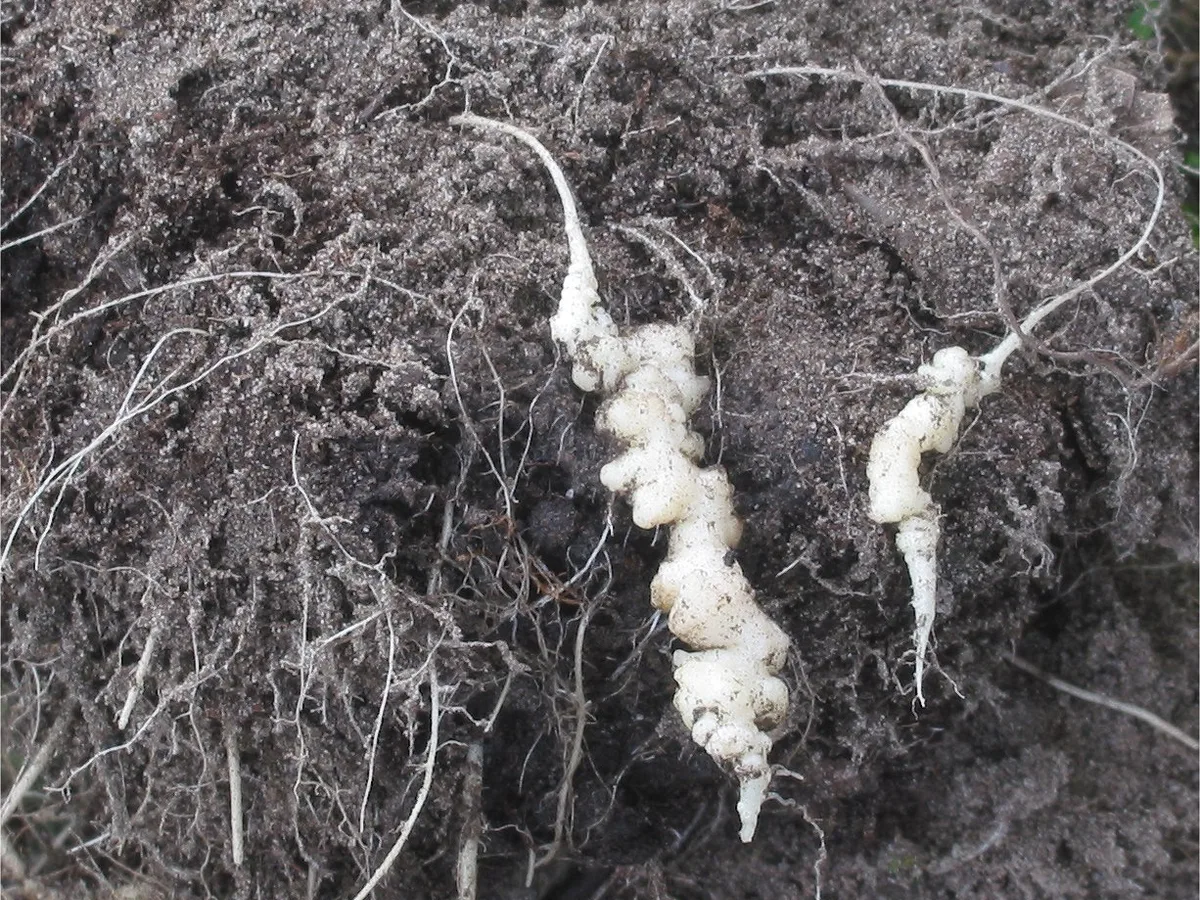
Brassicas that wilt on warm days and stunt no matter the feeding — pull one and the roots are swollen into distorted clubs instead of fine threads. The pathogen lives in soil for a decade or more once established.
Disease checklist
Four things to look for. If most of them match what you are holding, you are in the right place.
What gets rid of it
Gentlest option first. For most backyard cases the first one is enough, so try these in order and stop as soon as it works. If you do spray something, the product label tells you how — please read the notice further down.
1Lime toward neutral
Clubroot infection drops sharply above pH 7; lime brassica beds toward 7.2 based on a soil test.
garden lime soil amendmentTry this first2Quarantine the bed
No brassicas — including radish cover crops — in infested ground for as many years as you can stand, and never move its soil on tools or boots.
3Start clean transplants
Your own seedlings in sterile mix; purchased brassica transplants are a classic way clubroot arrives.
As an Amazon Associate, Story Thyme Farms earns from qualifying purchases, at no cost to you. It never changes what we recommend.
Which plants get clubroot
Every plant we cover that gets clubroot, grouped by type — tap any one to open its page. A note beside a plant came from that plant’s own entry, because the same disease can be a minor nuisance on one plant and a serious problem on another. Plenty of plants we do not cover get it too.
perennial1
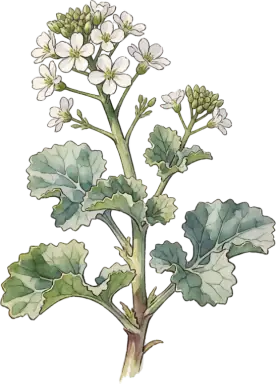

annuals8
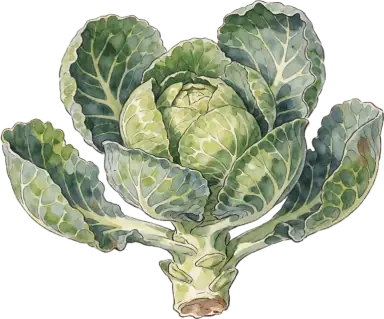 Brussels SproutsBrassica oleracea var. gemmifera
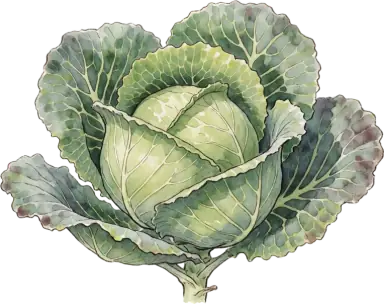 CabbageBrassica oleracea var. capitata
 KaleBrassica oleracea
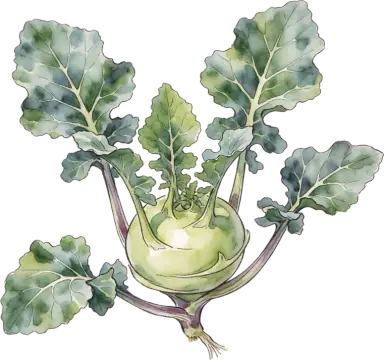 KohlrabiBrassica oleracea var. gongylodes
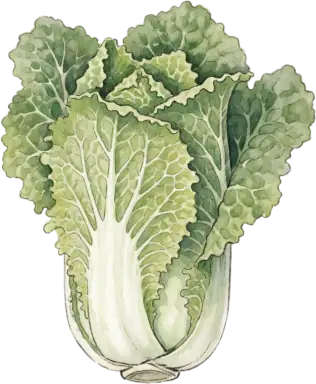 Napa Cabbage (Chinese Cabbage)Brassica rapa subsp. pekinensis
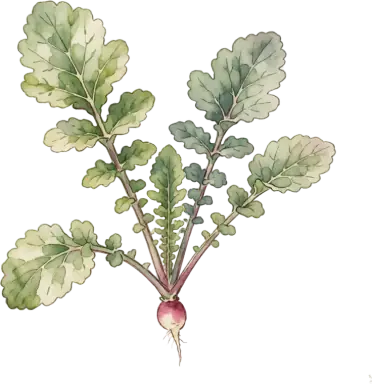 RadishRaphanus sativus
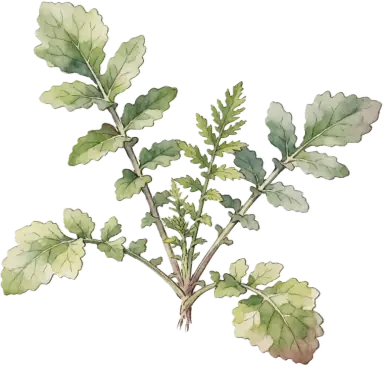 Tillage Radish (Daikon Cover Crop)Raphanus sativus var. longipinnatusrotate brassicas
 TurnipBrassica rapa subsp. rapa
Plant families hit hardest
Related plants often share the same problems, so if one plant in a family has it, check the others. The largest group here is Brassicaceae, with 10 of the 10 affected plants.
- Brassicaceae10 plants
When to treat
There is no cure once the soil is infested. Manage it with rotation, drainage and liming rather than by spraying.
Timing only — the label is the law
This page tells you when to watch for clubroot and when treating is worth considering. It is not a recommendation to apply any particular product. Read and follow the product label before you spray — under federal law the label is the legal instruction, and using a pesticide against it is illegal.
- Check the pre-harvest interval. Every product that’s cleared for an edible crop sets a minimum number of days between spraying and picking. Find it on the label before you spray anything you intend to eat.
- Check the re-entry interval before you or anyone else works in the treated area again, and use the protective equipment the label names.
- Confirm the product is registered for your crop in your state. This page groups many different crops together, and a product legal on one of them is not legal on all of them — state registrations differ too. Your state pesticide agency or local extension office can confirm both.
- Rates and mixing instructions come from the label, never from us. We don’t publish them because they differ by product and formulation.
Other problems on the same plants
If a plant gets clubroot, these are the problems it most often gets as well, so they are worth checking for while you are out there. They tend to appear together; one does not cause another.