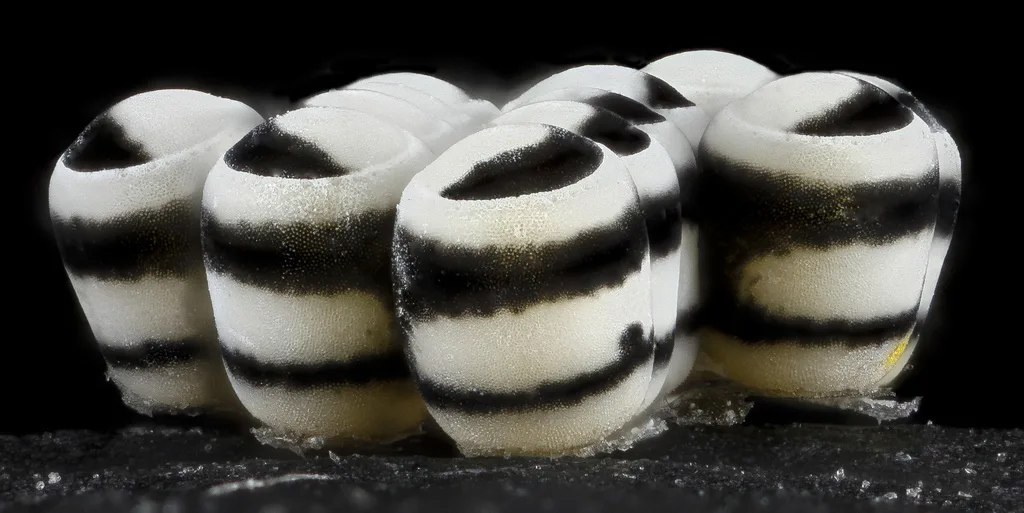
Harlequin Bug
A shield-shaped stink bug in loud black and orange-red, about a third of an inch long, that feeds on cabbage-family plants. It sucks sap and leaves white or yellow pinprick spots that spread until the leaf looks bleached and tattered.
Pest checklist
Four things to look for. If most of them match what you are holding, you are in the right place.
What gets rid of them
Gentlest option first. For most backyard cases the first one is enough, so try these in order and stop as soon as it works. If you do spray something, the product label tells you how — please read the notice further down.
1Hand-pick and crush eggs
Turn leaves over every few days and knock bugs into soapy water, then scrape off the striped barrel eggs.
Try this first2Clear out the debris
Pull old brassica stumps and wild mustard weeds at the end of the season, since the adults spend the winter in that litter.
3Cover fall greens
Put insect netting or row cover over fall brassicas at transplanting so the adults cannot reach them.
insect netting garden row cover4Plant a trap row of cleome
Grow a few cleome plants at the edge of the bed; harlequin bugs prefer them, and you can pull and destroy the trap plants once they are loaded.
cleome spider flower seeds
As an Amazon Associate, Story Thyme Farms earns from qualifying purchases, at no cost to you. It never changes what we recommend.
Which plants get harlequin bug
Every plant we cover that gets harlequin bug, grouped by type — tap any one to open its page. A note beside a plant came from that plant’s own entry, because the same pest can be a minor nuisance on one plant and a serious problem on another. Plenty of plants we do not cover get it too.
annuals13
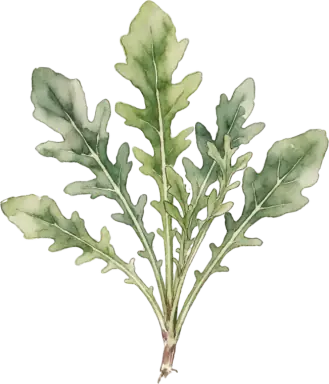 ArugulaEruca vesicaria
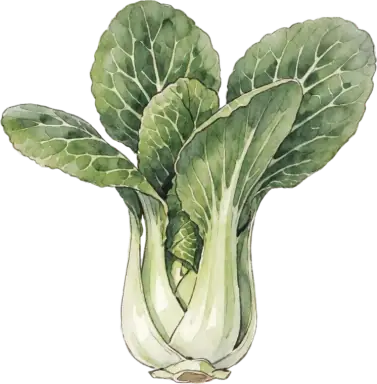 Bok ChoyBrassica rapa subsp. chinensis
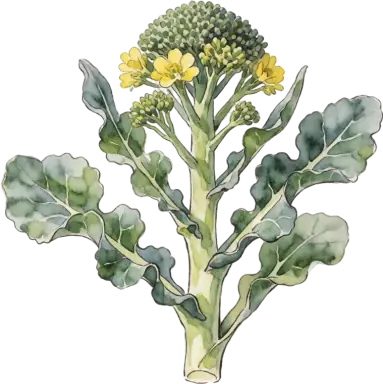 BroccoliBrassica oleracea var. italica
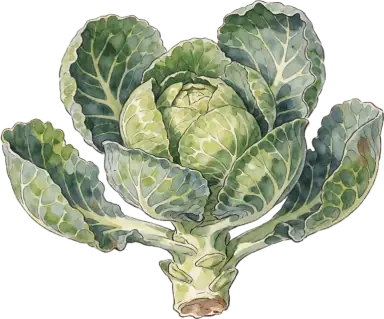 Brussels SproutsBrassica oleracea var. gemmifera
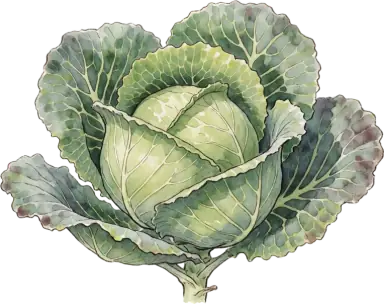 CabbageBrassica oleracea var. capitata
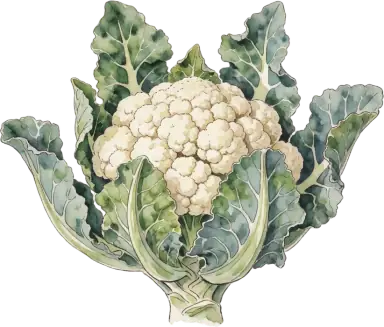 CauliflowerBrassica oleracea var. botrytis
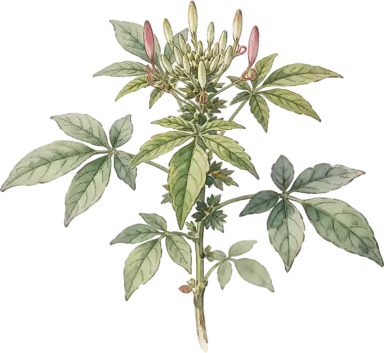 Cleome (Spider Flower)Cleome hassleriana
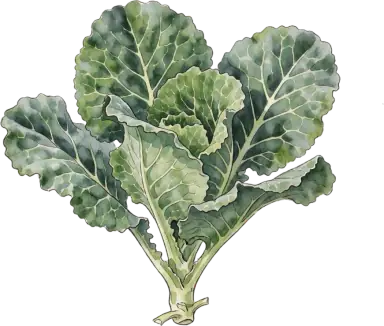 Collard GreensBrassica oleracea var. viridis
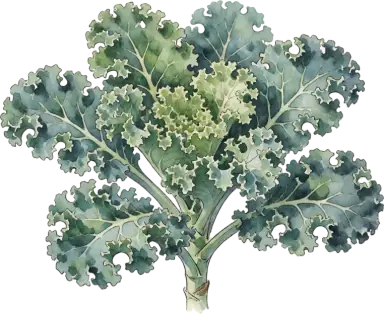 KaleBrassica oleracea
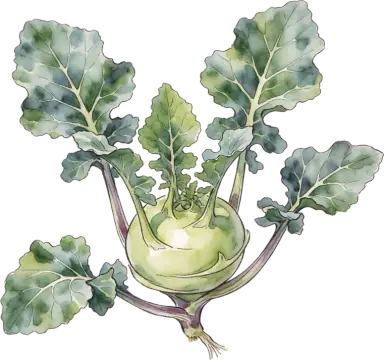 KohlrabiBrassica oleracea var. gongylodes
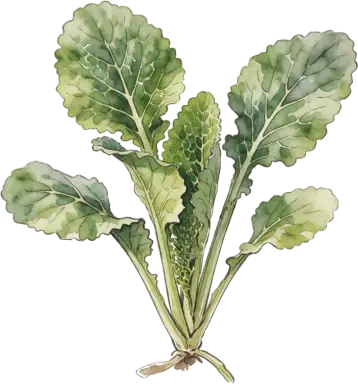 Mustard GreensBrassica juncea
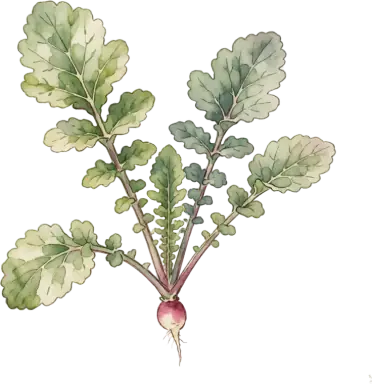 RadishRaphanus sativus
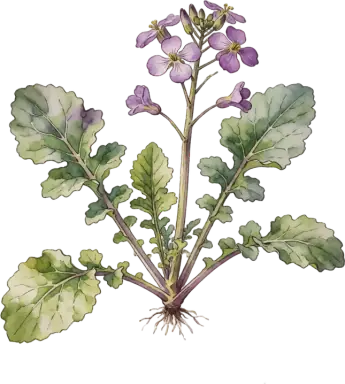 TurnipBrassica rapa subsp. rapa
Plant families hit hardest
Related plants often share the same problems, so if one plant in a family has it, check the others. The largest group here is Brassicaceae, with 12 of the 13 affected plants.
- Brassicaceae12 plants
When to treat
Hand-pick and crush eggs from the moment you see the first adults in spring, because a fall brassica planting can be ruined in a couple of weeks once a colony builds up.
On specific plants
- Growing
- Bt program; harlequin bugs hand-picked in fall.
Timing only — the label is the law
This page tells you when to watch for harlequin bug and when treating is worth considering. It is not a recommendation to apply any particular product. Read and follow the product label before you spray — under federal law the label is the legal instruction, and using a pesticide against it is illegal.
- Check the pre-harvest interval. Every product that’s cleared for an edible crop sets a minimum number of days between spraying and picking. Find it on the label before you spray anything you intend to eat.
- Check the re-entry interval before you or anyone else works in the treated area again, and use the protective equipment the label names.
- Confirm the product is registered for your crop in your state. This page groups many different crops together, and a product legal on one of them is not legal on all of them — state registrations differ too. Your state pesticide agency or local extension office can confirm both.
- Rates and mixing instructions come from the label, never from us. We don’t publish them because they differ by product and formulation.
Other problems on the same plants
If a plant gets harlequin bug, these are the problems it most often gets as well, so they are worth checking for while you are out there. They tend to appear together; one does not cause another.