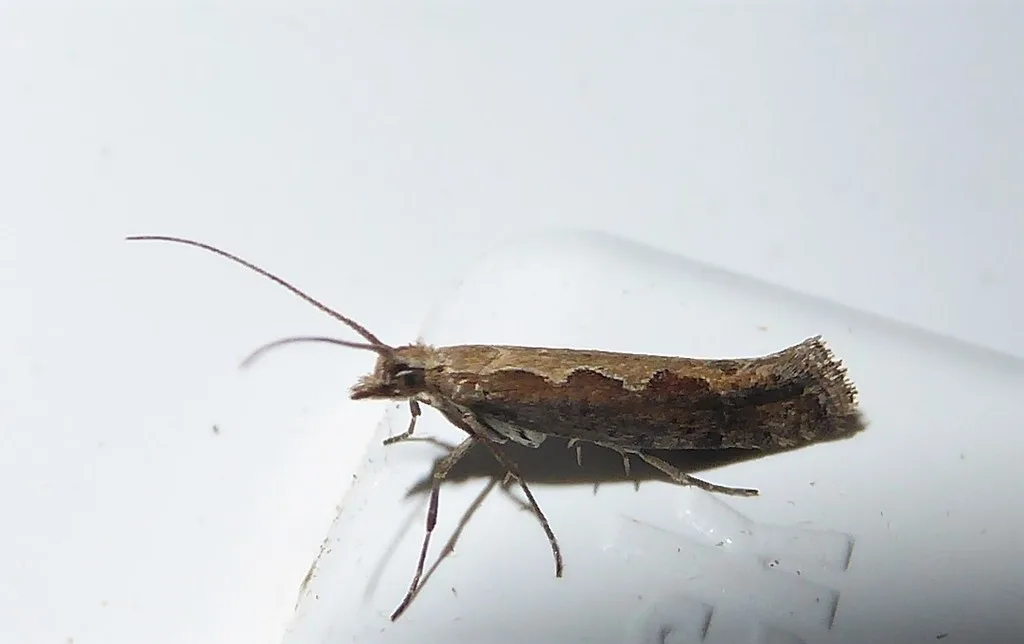
Diamondback Moth
A tiny pale green caterpillar, about a third of an inch, tapered at both ends, that feeds only on cabbage-family plants. It eats the underside of the leaf and leaves the thin top layer intact, so the leaf looks like it is full of little windows.
Pest checklist
Four things to look for. If most of them match what you are holding, you are in the right place.
What gets rid of them
Gentlest option first. For most backyard cases the first one is enough, so try these in order and stop as soon as it works. If you do spray something, the product label tells you how — please read the notice further down.
1Cover the crop
Insect netting or row cover over brassicas from transplanting on is the most reliable control, since the moths cannot get through to lay.
insect netting garden row coverTry this first2Pull brassica weeds
Clear wild mustard, shepherd's purse and old brassica stumps from the garden edges; they carry the moths between crops.
3Spray Bt on small caterpillars
Bt aimed at the leaf undersides works well on this one and spares beneficial insects. Cover the underside of the leaf, not the top.
bt thuringiensis caterpillar spray4Rotate any spray you use
This moth develops resistance quickly. If you go past Bt to spinosad, do not use the same product over and over.
spinosad garden insect spray
As an Amazon Associate, Story Thyme Farms earns from qualifying purchases, at no cost to you. It never changes what we recommend.
Which plants get diamondback moth
Every plant we cover that gets diamondback moth, grouped by type — tap any one to open its page. A note beside a plant came from that plant’s own entry, because the same pest can be a minor nuisance on one plant and a serious problem on another. Plenty of plants we do not cover get it too.
annuals15
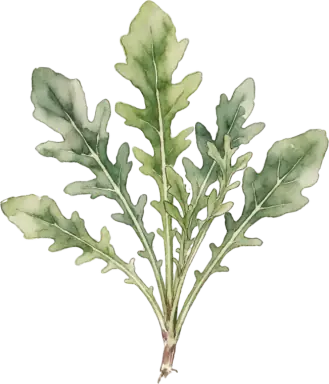 ArugulaEruca vesicaria
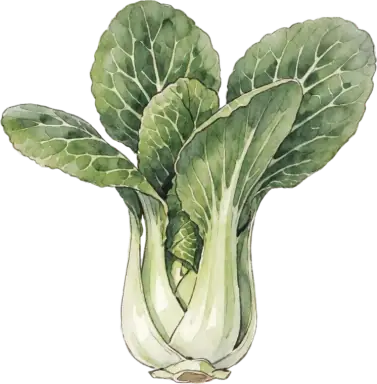 Bok ChoyBrassica rapa subsp. chinensis
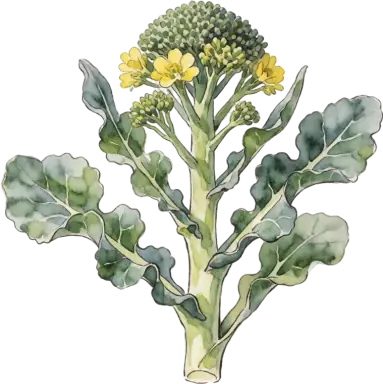 BroccoliBrassica oleracea var. italica
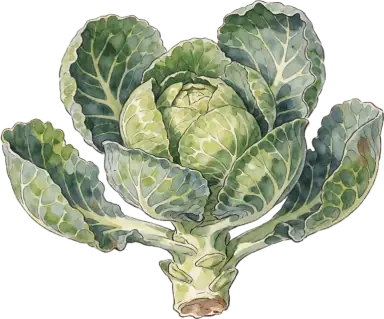 Brussels SproutsBrassica oleracea var. gemmifera
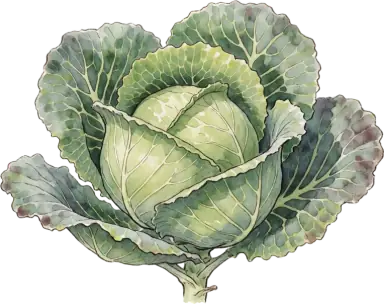 CabbageBrassica oleracea var. capitata
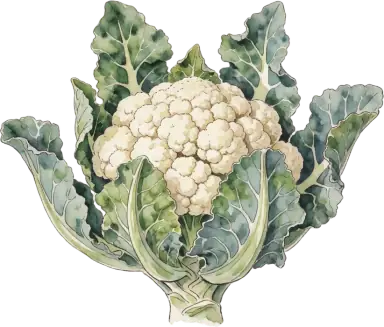 CauliflowerBrassica oleracea var. botrytis
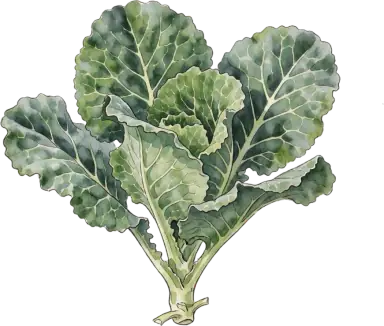 Collard GreensBrassica oleracea var. viridis
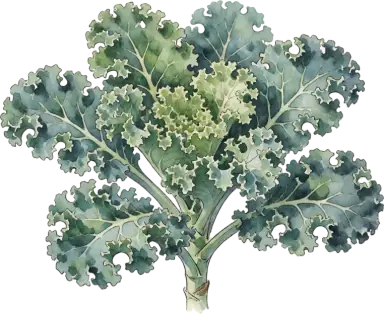 KaleBrassica oleracea
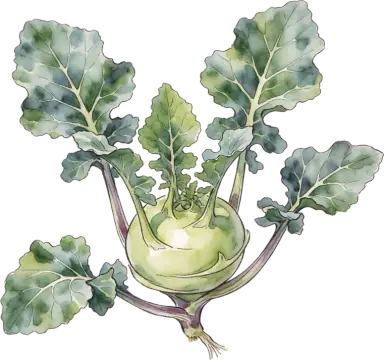 KohlrabiBrassica oleracea var. gongylodes
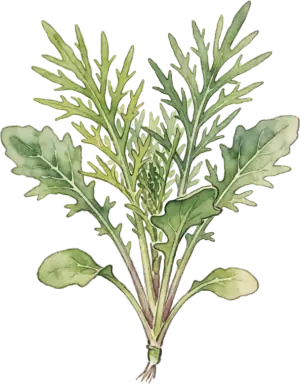 MizunaBrassica rapa var. niposinica
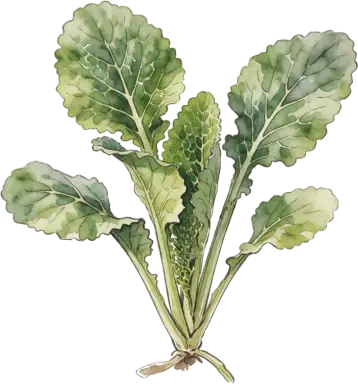 Mustard GreensBrassica juncea
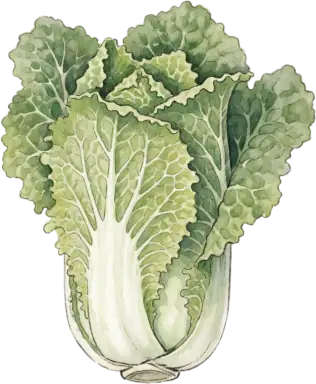 Napa Cabbage (Chinese Cabbage)Brassica rapa subsp. pekinensis
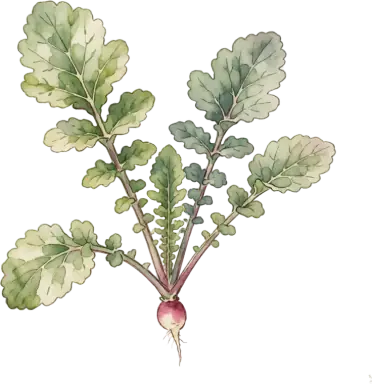 RadishRaphanus sativus
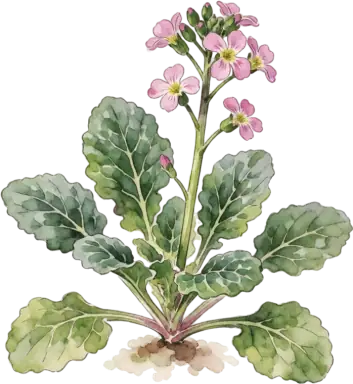 TatsoiBrassica rapa subsp. narinosa
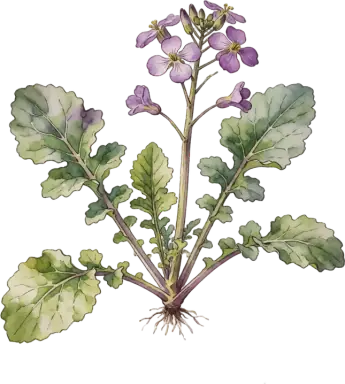 TurnipBrassica rapa subsp. rapa
Plant families hit hardest
Related plants often share the same problems, so if one plant in a family has it, check the others. The largest group here is Brassicaceae, with 15 of the 15 affected plants.
- Brassicaceae15 plants
When to treat
Scout leaf undersides from mid-May on and treat while the caterpillars are small; this one shrugs off many insecticides, so covering the crop and using Bt matters more than spraying harder.
Timing only — the label is the law
This page tells you when to watch for diamondback moth and when treating is worth considering. It is not a recommendation to apply any particular product. Read and follow the product label before you spray — under federal law the label is the legal instruction, and using a pesticide against it is illegal.
- Check the pre-harvest interval. Every product that’s cleared for an edible crop sets a minimum number of days between spraying and picking. Find it on the label before you spray anything you intend to eat.
- Check the re-entry interval before you or anyone else works in the treated area again, and use the protective equipment the label names.
- Confirm the product is registered for your crop in your state. This page groups many different crops together, and a product legal on one of them is not legal on all of them — state registrations differ too. Your state pesticide agency or local extension office can confirm both.
- Rates and mixing instructions come from the label, never from us. We don’t publish them because they differ by product and formulation.
Other problems on the same plants
If a plant gets diamondback moth, these are the problems it most often gets as well, so they are worth checking for while you are out there. They tend to appear together; one does not cause another.